








A Sip of History
Lassi's story begins not in a modern cafe, but in the sun-drenched fields of ancient Punjab, around 1000 B.C. [5]. Long before refrigeration, fermenting milk into yogurt was a practical way to preserve it. [7]. From there, it was a short step to blending
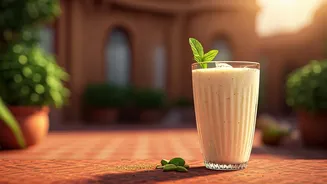
this yogurt (dahi) with water and spices, creating a nourishing drink for farmers and villagers to combat the heat. [4]. The traditional method involved a wooden churner called a 'madhani,' which was vigorously used to whisk full-fat curd into a supple, frothy liquid. [5]. Served in a 'kulhar,' a handleless clay cup, this simple concoction of yogurt, water, and either salt or sugar became more than just a drink; it evolved into a symbol of the region's rich dairy culture and pastoral traditions. [3, 5, 7]. Often called "the air conditioner of Punjab," it was the original, natural way to stay cool. [3].
The Culture in a Cup
Across North India, and especially in its heartland of Punjab, lassi is woven into the fabric of daily life. [3]. It’s a staple with breakfast, often paired with parathas, and a cherished gesture of hospitality offered to any guest as a sign of a warm welcome. [3, 6]. The drink also plays a significant role in festivals. [3]. During Baisakhi, the harvest festival, it symbolizes abundance and community spirit as it's shared freely. [3]. During Holi, a special version known as 'bhang lassi' is traditionally consumed as part of the celebrations. [3, 14]. In Ayurveda, India's ancient system of medicine, lassi is praised for its digestive and cooling properties, classified as a 'satvik' food that promotes harmony and balance in the body. [3, 15]. It's not just a beverage; it's a piece of cultural heritage passed down through generations. [21].
A Regional Rainbow of Flavours
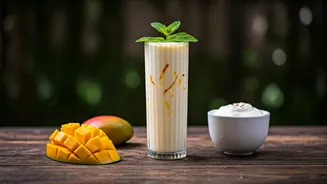
While its origins are Punjabi, lassi has spread across the subcontinent, adapting to local tastes. [3]. The two most fundamental versions are 'meethi' (sweet) and 'namkeen' (salty). [12]. Sweet lassi is often flavoured with sugar, cardamom, or rosewater, while the savoury version features salt and roasted cumin. [9, 12]. But the variations are nearly endless. Mango lassi has become an international sensation, often the first introduction for those outside of India. [3, 5]. You can find strawberry, banana, and other fruit versions in modern cafes. [3, 9]. In places like Varanasi, you might find a lassi so thick it's topped with a layer of 'malai' (clotted cream). [7]. In South India, a lighter, spiced version called 'neer mor' is popular. [25]. From the rich, saffron-infused lassis of Rajasthan to the simple, salty 'chaas' of Gujarat, there's a lassi for every palate. [13, 25].
The Unbeatable Science of Cool
In an era of fizzy sodas and sugary artificial drinks, lassi's appeal is backed by science. [10]. Unlike many modern beverages that can actually make you thirstier, lassi genuinely hydrates the body by replenishing fluids and essential electrolytes. [16, 17, 19]. Its primary ingredient, yogurt, is a powerhouse of probiotics—beneficial bacteria that support a healthy gut, aid digestion, and boost the immune system. [10, 18, 21]. Rich in calcium, protein, and vitamins like B12, it supports bone health and provides sustained energy. [18, 19]. Most importantly, it has natural cooling properties that help lower body temperature, providing real relief from the summer heat. [17, 18]. This makes it a far healthier choice than artificially sweetened diet colas, which can negatively impact gut health and metabolism. [19].
Still Standing in a Modern World
Today's beverage market is crowded with trendy iced coffees, artisanal mocktails, and imported bubble teas. Yet, lassi endures. Its continued popularity lies in its authenticity and simplicity. While new drinks offer novelty, lassi offers a comforting taste of tradition and home. [10]. It's a connection to a simpler time and a wholesome lifestyle. Modern brands have even begun packaging lassi, offering innovative flavours while preserving its traditional essence. [10]. However, the classic, freshly-made glass of lassi—whether from a roadside stall or a family kitchen—remains an unmatched experience. It doesn't need flashy marketing or complex ingredients; its strength is its timeless, nourishing, and deeply satisfying nature, a cool and creamy anchor in a fast-changing world.