




The Art of the Bento
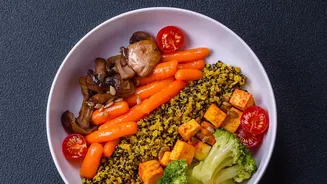
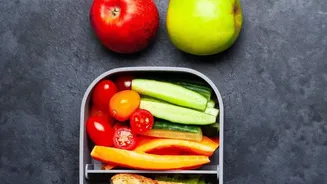
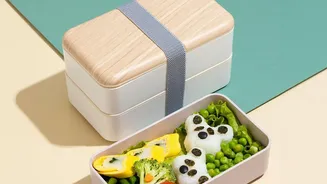
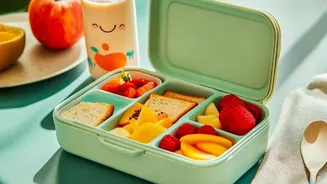
Originating in Japan, the bento is more than just a lunchbox; it's a philosophy. The concept revolves around a single-portion meal that is balanced, visually appealing, and neatly organized in compartments. A traditional bento often contains a mix of carbohydrates
like rice, a protein, and a variety of pickled or cooked vegetables. The key is balance and separation—the compartments prevent flavours from mixing and textures from getting ruined, ensuring the meal looks and tastes fresh hours after it was packed. This thoughtful approach to meal packing has inspired people globally to rethink their lunch routine.
Meet the Tiffin's Modern Cousin
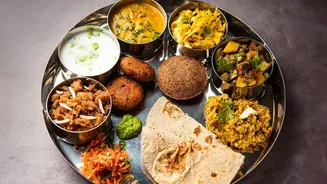
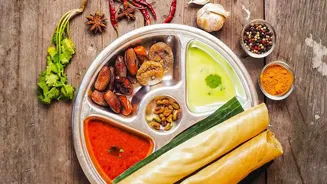
In India, the concept of a packed lunch is deeply ingrained, thanks to the iconic stainless steel 'tiffin' or 'dabba'. For generations, these stacked containers have been transported by dabbawalas or carried from home, delivering warm, fresh meals. The Indian-style bento is the modern evolution of this tradition. It merges the tiffin's practicality with the bento's principles of portion control and variety. For today's time-crunched students and professionals who crave homemade food without the mess of multiple containers, the bento offers a sleek, all-in-one solution. It neatly contains a complete vegetarian Indian meal, preventing the dreaded scenario of a curry-soaked roti or a jumbled-up sabzi and rice.
Crafting Your Perfect Vegetarian Indian Bento
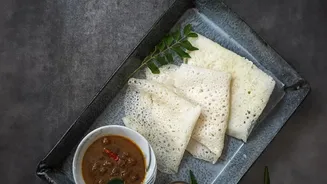
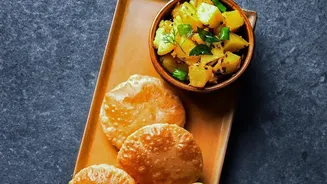
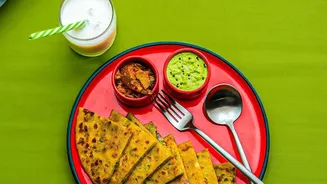
The beauty of the Indian bento lies in its versatility. Indian cuisine, with its spectrum of colours, textures, and flavours, is perfectly suited for the compartmentalized format. The goal is to create a balanced thali-in-a-box. Here’s a breakdown of how to build your own: The Main Carb: This forms the foundation of your meal. Instead of plain rice, consider options like jeera rice, vegetable pulao, lemon sevai, or even mini idlis. Flatbreads also work beautifully; small theplas or mini aloo parathas can be rolled up and tucked into a compartment. The Protein Partner: To make the meal satisfying, a protein element is crucial. This could be a dry or semi-dry preparation like palak paneer cubes, paneer bhurji, or a black chickpea salad. A small, leak-proof container within the bento can hold a thick dal or rajma. The Vegetable Side: This is where you add colour and fibre. Go for dry sabzis that won't create excess moisture, such as bhindi fry, aloo gobi, or a simple cabbage poriyal. A crunchy kachumber salad (cucumber, tomato, onion) or a serving of roasted corn also adds a fresh element. A Little Extra: The smaller compartments are perfect for accompaniments and healthy snacks. Pack a spoonful of pickle, a small portion of cooling curd rice or raita, roasted makhana, a few nuts, or a piece of chikki for a touch of sweetness.
Why This Trend Makes Sense
The rise of the Indian bento is a direct response to modern lifestyles. With growing health consciousness, the bento’s built-in compartments serve as a natural guide for portion control. This helps in assembling a balanced meal with the right mix of carbs, protein, and vegetables without much effort. For parents packing lunches for picky eaters, the organized and colourful presentation can make food more appealing. Furthermore, it is an environmentally friendly choice, reducing the need for disposable plastic wraps and containers. Ultimately, it transforms the daily lunch from a mere necessity into a moment of mindful, enjoyable eating, even on the busiest of days.