


The Burning Question of Safety
For the past few years, the electric scooter boom in India has been shadowed by a significant concern: battery safety. A number of highly publicised incidents involving scooters catching fire raised alarms for consumers and regulators alike. These events
were often traced back to a phenomenon called "thermal runaway" in lithium-ion batteries. In simple terms, if a battery cell overheats due to a flaw, damage, or even extreme ambient temperatures, it can trigger a chain reaction, causing the entire battery pack to combust. Many early EV models in India used battery packs, often featuring Nickel Manganese Cobalt (NMC) chemistry, that were not specifically designed or tested for the country's demanding conditions, including scorching summer heat and challenging roads. This highlighted a critical gap: for e-scooters to become a mainstream, trusted mode of transport, their core technology had to become fundamentally safer.
A New Chemistry for Confidence: LFP
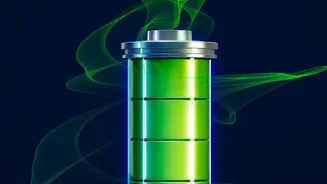
Enter Lithium Iron Phosphate (LFP) batteries, a next-generation technology that is rapidly becoming the new standard for electric two-wheelers in India. Unlike the more traditional NMC batteries, which offer higher energy density and lighter weight, LFP batteries are built with a different set of priorities: safety, longevity, and stability. The key difference lies in the cathode materials. LFP chemistry uses iron and phosphate, which are inherently more stable and less prone to overheating and thermal runaway compared to the cobalt and nickel used in NMC cells. This superior thermal stability makes LFP batteries particularly well-suited for India's climate, where peak summer temperatures can easily stress a battery system. As consumer awareness around battery safety grows, manufacturers are increasingly adopting LFP technology to build confidence and deliver a more reliable product.
How Safer Batteries Create a Ready Market
The shift towards safer LFP batteries directly addresses the primary barrier to wider e-scooter adoption. Their robust chemical structure significantly reduces the risk of fire, even under stress, making them a more dependable choice for daily commuting. This enhanced safety isn't just a feature; it's a foundational change that makes the entire product category more viable. For a family considering an e-scooter, knowing the battery is less likely to overheat provides essential peace of mind. Furthermore, this reliability extends to charging. LFP batteries handle the stress of charging better and are less susceptible to issues from overcharging. When combined with intelligent Battery Management Systems (BMS) and protective casings, this new generation of energy storage creates a scooter that is not just eco-friendly and economical, but also fundamentally secure.
More Than Just Safety
While safety is the headline benefit, next-gen batteries bring other crucial advantages that contribute to market readiness. LFP batteries boast a significantly longer cycle life, meaning they can be charged and discharged many more times than their NMC counterparts before they start to degrade. Some estimates suggest they can last up to four times longer, which translates into a lower total cost of ownership and less electronic waste. They also maintain their performance more consistently over time, so the range you get in year three is closer to the range you had in year one. Although slightly heavier, the trade-off for longevity and stability is one that many daily commuters are willing to make. Faster charging times without significant battery degradation is another key benefit, reducing the downtime for riders.
The Road Ahead for India's EV Future
With major brands like Suzuki adopting LFP technology for their electric scooters in India, the market is clearly signalling a move towards durability and safety over just peak range figures. This shift is complemented by other emerging innovations, such as solid-state batteries, which promise to eliminate the liquid electrolyte that poses a fire risk and could double the range of current batteries. While solid-state technology is still a few years away from mass-market adoption in scooters, expected around 2027-2028, its development shows the industry's relentless push towards safer and more efficient energy storage. For the Indian consumer, this focus on next-generation batteries means that electric scooters are quickly evolving from a promising but risky alternative into a mature, reliable, and safe transportation solution for the masses.