

The Allure of the Accessible Adventure
One of the most significant drivers is simple economics and convenience. Opting for a domestic beach holiday eliminates major expenses like international airfare, visa fees, and currency exchange hassles. For many, this makes a high-quality marine holiday more
attainable. Instead of complex international planning, travellers can make more spontaneous decisions, turning a long weekend into a diving trip or a quick getaway into a surfing lesson. This ease of travel reduces stress and maximises vacation time, a crucial factor for urban professionals and families with tight schedules. With a 7,500-kilometre coastline, the options are vast and getting easier to reach.
Beyond Goa: New Marine Hotspots Emerge
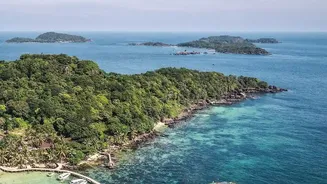
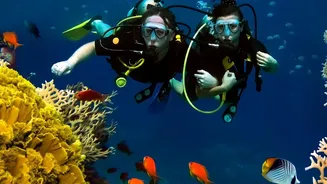
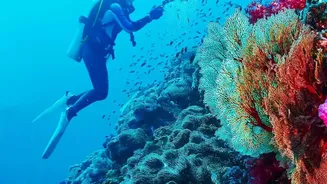
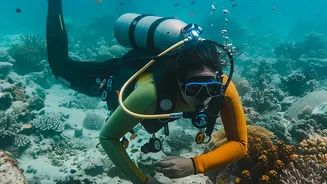
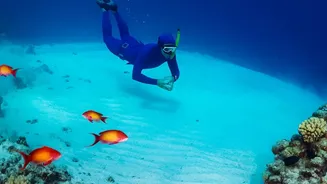
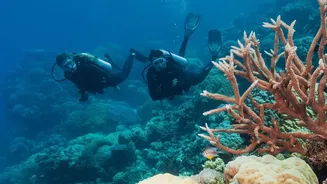
While Goa remains a perennial favourite, today's marine enthusiast is exploring a much wider map. The Andaman and Nicobar Islands are globally renowned for their pristine coral reefs and clear waters, making them a top choice for serious scuba divers. Similarly, the Lakshadweep archipelago offers tranquil lagoons and rich marine biodiversity, perfect for those seeking a quieter escape. But the exploration doesn't stop there. Lesser-known destinations are rapidly gaining popularity, including Netrani Island in Karnataka for its unique heart shape and diverse marine life, the coast of Dwarka in Gujarat, and Pondicherry, which hosts the only major diving spot on India's eastern coast. States like Kerala are also becoming hubs for activities like kayaking and even underwater scooter experiences in Kovalam.
A Growing Appetite for Adventure
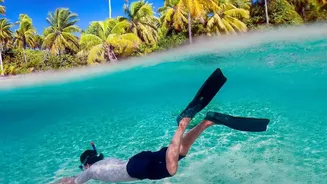
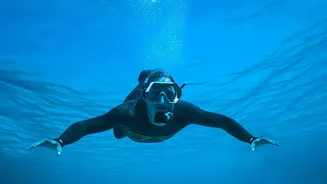
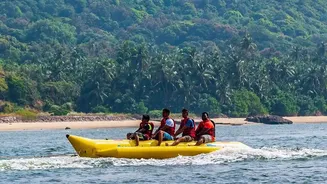
The modern Indian traveller is increasingly seeking experiences over simple sightseeing. There's a growing trend towards 'sportscations'—vacations centered around an activity or learning a new skill. This shift from passive observation to active participation is a key reason for the boom in marine tourism. People want to do more than just sit on a beach; they want to surf the waves, dive beneath them, or kayak through mangroves. This desire for immersive and memorable experiences is transforming what a holiday means. The thrill of overcoming a challenge, like learning to surf or completing a dive certification, creates a powerful sense of accomplishment that a relaxing resort stay might not offer.
The Rise of Local Infrastructure and Expertise
This trend wouldn't be possible without a corresponding growth in local infrastructure. Across India's coasts, there has been a surge in certified dive schools, surf clubs, and eco-resorts. These establishments not only provide the necessary equipment and training but also ensure that activities are conducted safely and professionally. Government initiatives promoting the 'Blue Economy' and coastal tourism have also played a role in improving connectivity and facilities. The presence of skilled instructors and well-managed tour operators gives travellers the confidence to try activities like scuba diving or surfing for the first time, knowing they are in safe hands. This professionalization has been crucial in making marine sports accessible to beginners and not just seasoned adventurers.
The Influence of Digital Discovery
Social media has become a powerful engine for travel inspiration. Platforms like Instagram are a major source for discovering new destinations, with one survey noting that 72% of respondents find offbeat spots through Reels and short-form videos. Travel influencers showcasing the stunning blue waters of Lakshadweep or the surf breaks in Karnataka make these domestic locations as aspirational as their international counterparts. This visual storytelling creates a strong desire to experience these places firsthand. Seeing fellow Indians share their diving photos from the Andamans or surfing videos from Kovalam makes the dream feel tangible and achievable.