




First, What Is El Niño?
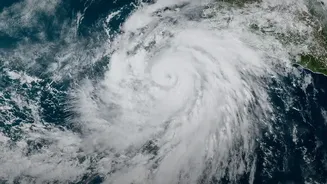
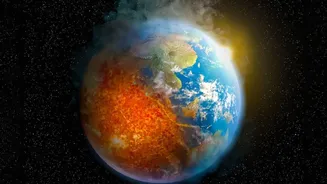
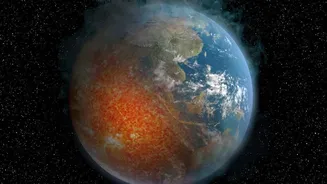
El Niño, which means 'the little boy' in Spanish, is a climate pattern defined by the unusual warming of surface waters in the eastern and central Pacific Ocean. Under normal conditions, trade winds blow from east to west, pushing warm water towards Asia.
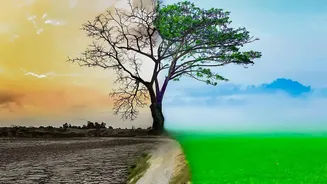
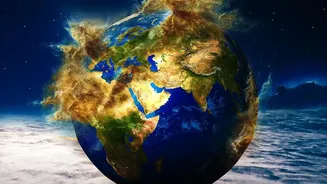
But every two to seven years, these winds weaken or even reverse. This allows a huge mass of warm water to slosh back towards the Americas, disrupting typical ocean and atmospheric circulation. This change, known as the El Niño-Southern Oscillation (ENSO), is so significant that it can change weather patterns globally, causing droughts in some regions and floods in others.
Why This El Niño Is Considered 'Powerful'
Not all El Niño events are created equal. Their strength is measured by how much the sea surface temperature deviates from the average. Forecasts for the current event, which began developing in June 2026, indicate it is set to become a 'very strong' or 'super' El Niño. According to agencies like the World Meteorological Organization (WMO) and the U.S. National Oceanic and Atmospheric Administration (NOAA), there is a high likelihood that it will persist through the Northern Hemisphere's winter of 2026-27. Some models even suggest it could become one of the strongest events on record since 1950, amplifying its potential impacts worldwide.
How Weather Patterns Could Change for India
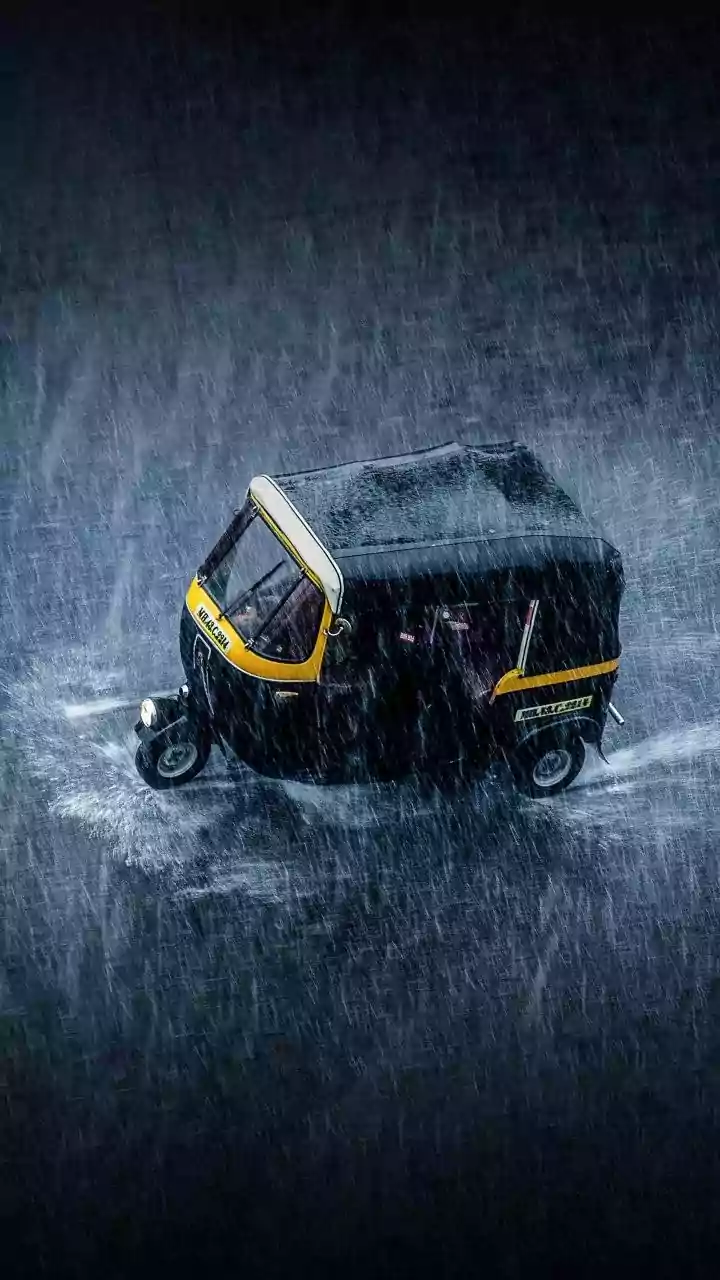
For India, El Niño has a notoriously complicated relationship with the monsoon, which delivers about 75% of the country's annual rainfall. Historically, around 60% of El Niño years have resulted in below-normal rainfall for India, with strong events often linked to droughts. The phenomenon can weaken the monsoon winds that carry moisture from the Indian Ocean, delaying its onset and reducing overall precipitation. This carries significant risks for agriculture, as nearly 40% of India's farmland is unirrigated and depends entirely on monsoon rains. A weak monsoon can deplete soil moisture and reservoir levels, impacting crop yields, rural incomes, and potentially fuelling food price inflation. However, the link isn't guaranteed; other factors like the Indian Ocean Dipole (IOD) can sometimes counteract El Niño's drying effect.
The Hidden Connection: Climate and Disease
Beyond the weather, a powerful El Niño can create conditions ripe for the spread of infectious diseases. Warmer temperatures and altered rainfall patterns expand the breeding grounds for disease-carrying vectors, particularly mosquitoes. Health experts warn this can lead to an increase in cases of dengue, malaria, and chikungunya. Warmer air allows mosquitoes to thrive at higher altitudes, introducing diseases to populations with little to no pre-existing immunity. The 2015-16 El Niño, for example, was linked to a significant spike in dengue cases in Southeast Asia. Furthermore, changes in rainfall can affect water safety. Flooding can contaminate drinking water sources, leading to outbreaks of water-borne diseases like cholera and typhoid, while droughts may force communities to use unsafe water, increasing similar risks.
Preparing for a Double Impact
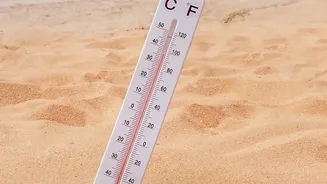
The looming El Niño presents a dual challenge for India: managing potential agricultural and water stress while simultaneously bolstering public health defences. The event is associated with more intense heatwaves, which can cause heat-related illnesses, especially among vulnerable populations. A weakened monsoon could strain water resources, while erratic heavy downpours—another possible outcome—can still cause localised flooding. Health systems may face a multi-pronged threat, from a rise in mosquito-borne illnesses in newly suitable regions to water contamination issues. The World Health Organization (WHO) has highlighted how previous El Niño events have been linked to cholera outbreaks in South India and an increase in malaria cases in certain regions. Proactive measures, including enhanced disease surveillance, water resource management, and robust early warning systems, will be crucial in mitigating the widespread effects of this powerful climate event.