


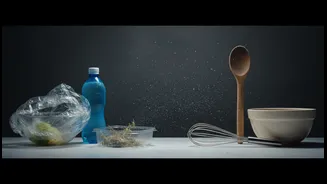


What Are Microplastics?
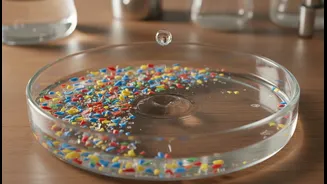
First, a quick refresher. Microplastics are tiny plastic fragments less than five millimeters long. They come from two main sources: primary microplastics, like microbeads in cosmetics, and secondary ones, which form when larger plastic items like bottles,
bags, and synthetic clothing break down over time. Because plastic never truly decomposes in the way organic materials do, it just breaks into smaller and smaller pieces. These particles are now so widespread that scientists have found them everywhere, from the deepest oceans to the air we breathe and the food we eat.
The Journey Into Our Food
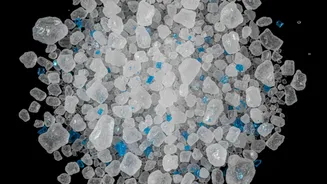
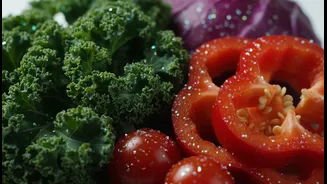
Microplastics enter the food chain in numerous ways. In the ocean, fish and shellfish ingest them, and the particles can accumulate in their bodies. On land, agricultural soil can be contaminated through plastic mulches, compost from waste, and even polluted irrigation water. From the soil, plants can absorb these tiny particles through their roots, meaning fruits and vegetables can contain microplastics. Studies have found them in a wide range of foods, including apples, carrots, salt, beer, and honey. Further contamination can happen during processing and packaging, as particles can shed from machinery, conveyor belts, and food containers.
The Role of Food Sourcing
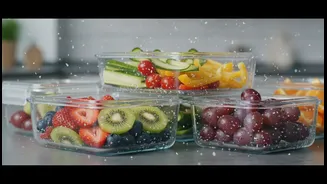
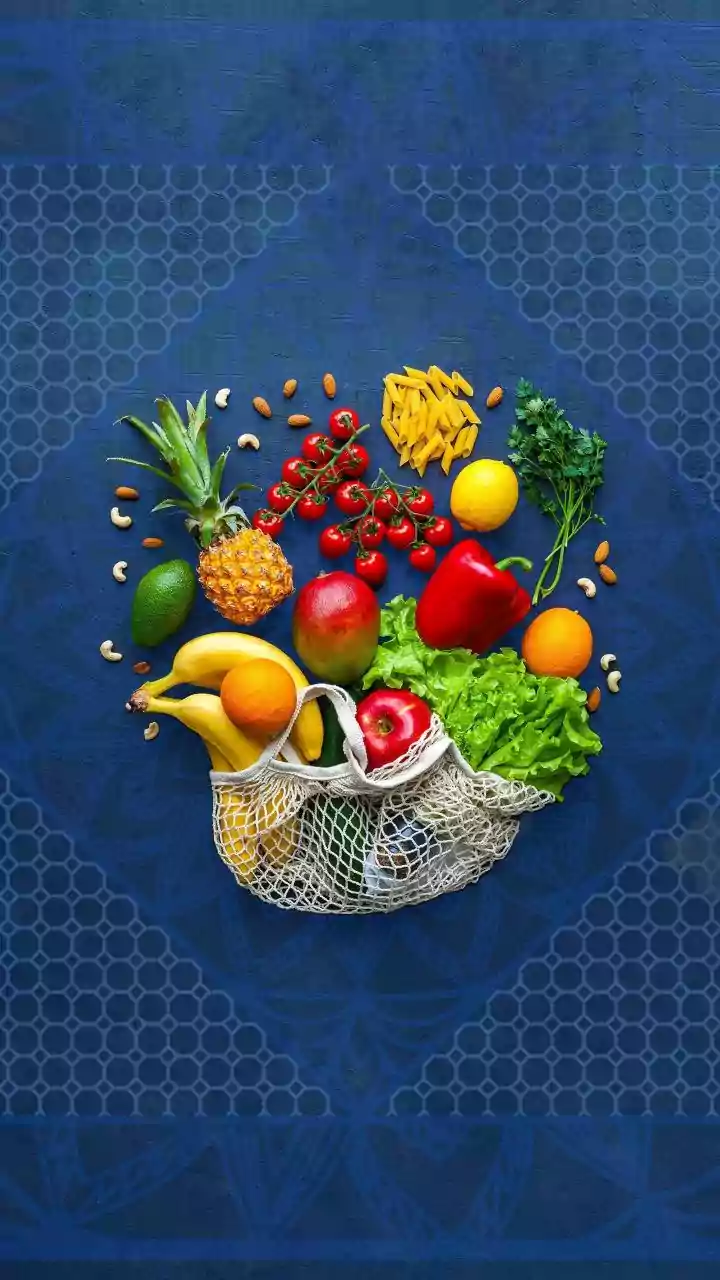
So, can better sourcing help? The answer is yes, but it’s a nuanced one. Since packaging is a significant source, one of the most effective strategies is to reduce it. Choosing loose fruits and vegetables over those wrapped in plastic is a simple, direct way to lower exposure. When you buy food in glass jars or metal cans instead of plastic containers, you also reduce the risk of particles leaching into your food, a process that can be accelerated by heat. This is why experts strongly advise against microwaving food in plastic containers, even if they're labelled 'microwave-safe'. The label only means the container won't melt, not that it won't shed particles.
What About Organic or Local?
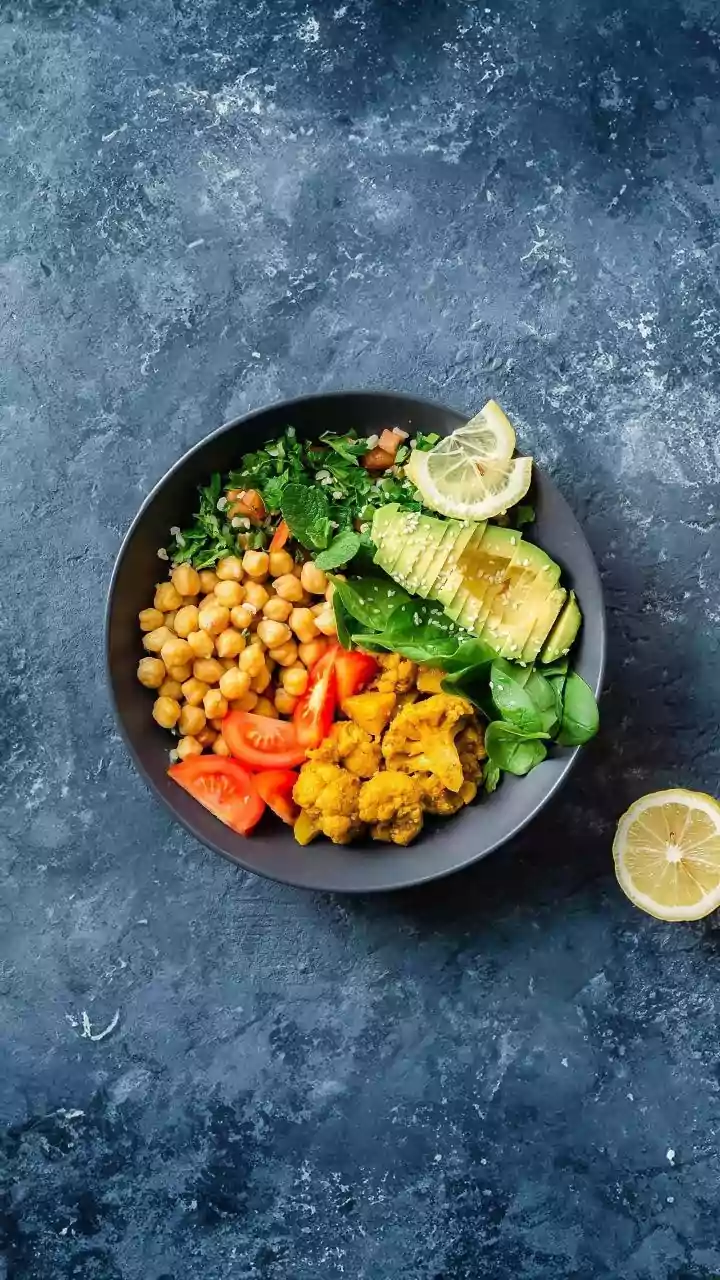
Many people wonder if choosing organic or locally grown food makes a difference. The evidence here is mixed. While certified organic farming prohibits the use of synthetic pesticides, which can contain plastics, and often has stricter rules about materials, microplastics are so pervasive in the environment that organic farms are not immune. Microplastics in soil and rainwater can contaminate any crop, regardless of farming method. In fact, some studies have found comparable levels in both organic and conventional produce. However, choosing fresh, minimally processed foods from any source is generally better than opting for highly processed options. Ultra-processed foods go through more manufacturing stages, creating more opportunities for plastic contamination.
Practical Steps To Reduce Intake
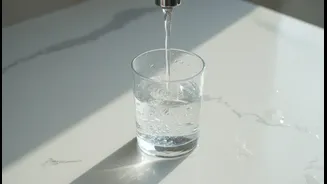
While you can't eliminate microplastics entirely, you can significantly reduce your intake with some mindful habits. Start by filtering your tap water, as bottled water has been shown to contain high levels of microplastics. In the kitchen, opt for cutting boards made of wood and storage containers made of glass or stainless steel. Be wary of non-stick cookware, as scratched surfaces can release particles. When it comes to beverages, loose-leaf tea is a better option than tea bags, many of which are made with plastic. Simple actions like rinsing rice before cooking can also help wash away some surface plastics. Finally, limiting takeout in plastic containers and avoiding single-use plastic cups, especially for hot drinks, can make a meaningful difference.