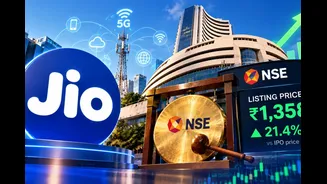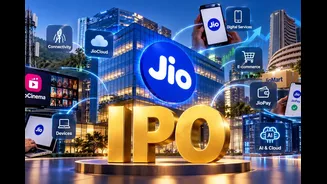








The moment Dalal Street has been waiting for is here. The Jio Platforms IPO, India's largest-ever public offering, lists today, October 28. For first-time investors, the hype is immense. But what does it really mean to own a piece of this digital giant?
More Than Just a SIM Card
Before considering an investment, it's crucial to understand what Jio Platforms actually is. While its disruptive mobile service is the most visible part of the business, the company is a sprawling digital ecosystem housed within Reliance Industries. It encompasses telecom services (mobile and home broadband), a suite of digital apps like JioTV+ and JioSaavn, and a growing portfolio of enterprise solutions including cloud services and IoT. With over 524 million customers as of March 2026, its foundation is a massive, recurring revenue stream from connectivity. This IPO is for a fresh issue of shares, meaning the ₹30,213 crore raised goes directly to the company, not to selling shareholders.
The Promise: Brand Power and Growth
The primary appeal for many new investors is the chance to own a piece of a brand they use and recognise daily. Jio's market disruption is legendary; it onboarded millions of users at an unprecedented scale and now handles a majority of India's wireless data traffic. This dominance provides a powerful platform to cross-sell other digital services. The company is profitable, with strong operating margins and a clear growth path through potential tariff hikes and the expansion of its broadband and enterprise businesses. The backing of Reliance and a star-studded list of global investors like Meta and Google, who invested in 2020, adds another layer of confidence for many.
The Reality: Hype, Valuation, and Risks
Excitement can often inflate prices. A key risk with any high-profile IPO is valuation. The Jio Platforms IPO was priced at ₹1,119 per share, valuing the company at a staggering ₹10.3 lakh crore. This price already accounts for a lot of future good news. Investors must ask whether the growth prospects truly justify this premium. Furthermore, the telecom industry is capital-intensive, requiring constant and heavy investment in technology and spectrum. The company also faces regulatory risks from bodies like TRAI, intense competition from peers like Bharti Airtel, and the risk of technological obsolescence. These factors can impact future profitability and returns.
A Checklist for the First-Time Investor
Since the IPO subscription period (October 21–23) is over, first–time investors who missed out will now have to buy shares from the secondary market after today's listing. If you're considering this, here’s a simple checklist to follow. First, you need a Demat and trading account, which are essential for holding and trading shares. Second, don't invest based on hype or 'grey market premium' tips, which are unofficial indicators of listing price. Third, do your own homework. Read about the company's business model, its financials, and the risks involved. Finally, and most importantly, decide on a budget. Never invest more than you are prepared to lose, especially in a single stock. Diversification is key to managing risk.