





The Soothing Power of Simple Steam
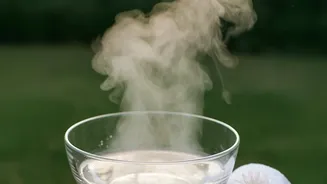
At its core, steam inhalation is a simple practice. Breathing in warm, moist air can help soothe irritation in your nasal passages. The primary benefit comes from the moisture, which helps to thin and loosen stubborn mucus, making it easier to clear congested
sinuses. This can provide temporary relief from that blocked, stuffy feeling and reduce the discomfort caused by dry, inflamed tissues. Many find that a hot shower, a facial steamer, or simply leaning over a bowl of hot water can provide immediate comfort when dealing with a cold or allergies. The warmth itself is also comforting, helping to ease the sensation of pressure and pain in the face.
What Does The Science Say?
While many people swear by steam for temporary relief, scientific evidence on its effectiveness as a 'cure' for sinus infections is mixed. Some studies suggest it provides comfort and may help with symptoms like headaches, but it doesn't necessarily shorten the duration of an illness. A 2016 study from the University of Southampton found that steam inhalation was not effective for relieving the main symptoms of chronic sinus congestion. Essentially, steam is best viewed as a supportive therapy that eases discomfort, not a treatment that kills the underlying viruses or bacteria causing the infection. For that, your body's immune system or, in some cases, medical treatments are required.
Adding Oils: A Fragrant But Risky Step
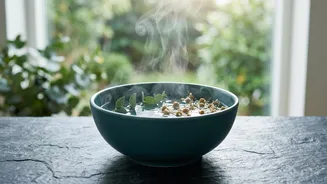
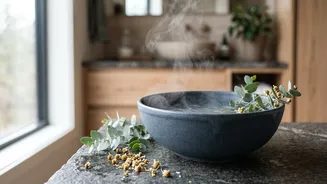
The common advice to add a few drops of essential oil like eucalyptus, peppermint, or tea tree oil to the steam seems logical. These oils are known for their strong scents and properties; menthol in peppermint, for example, can create a cooling sensation that makes breathing feel easier. Some oils are also promoted for supposed anti-inflammatory or antimicrobial benefits. The idea is that these volatile compounds are carried by the steam directly into the nasal passages. However, this popular 'hack' is where the practice moves from a relatively safe home remedy to one that carries significant risks that many people are unaware of.
The Hidden Dangers Lurking in the Vapour
The very properties that make essential oils potent are also what make them potentially hazardous. First, there's a real risk of serious facial burns from getting too close to hot water or spilling the bowl. Beyond that, the concentrated chemical compounds in essential oils can directly irritate the delicate lining of your nose, throat, and lungs. This can sometimes worsen congestion or even trigger an allergic reaction or asthma attack in susceptible individuals. Using undiluted oils near the skin can cause burns or dermatitis. Furthermore, long-term or high-dose inhalation is not recommended, as it can lead to negative effects like dizziness and headaches. Some experts explicitly advise against putting essential oils inside or near the nose, as it can damage sensitive tissue.
Who Should Be Extra Cautious?
Essential oil steam inhalation is not a one-size-fits-all remedy. People with pre-existing respiratory conditions, such as asthma or COPD, should be particularly wary, as the strong vapours can trigger bronchospasm or breathing difficulties. Pregnant and breastfeeding women, as well as individuals with known allergies or sensitive skin, are also advised to avoid it unless cleared by a healthcare professional. This method is generally considered unsafe for young children, as their respiratory systems are more sensitive and the risk of burns is higher.
Safer Alternatives for Sinus Relief
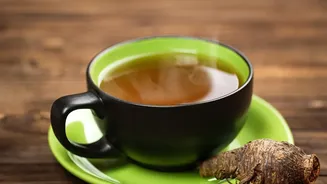
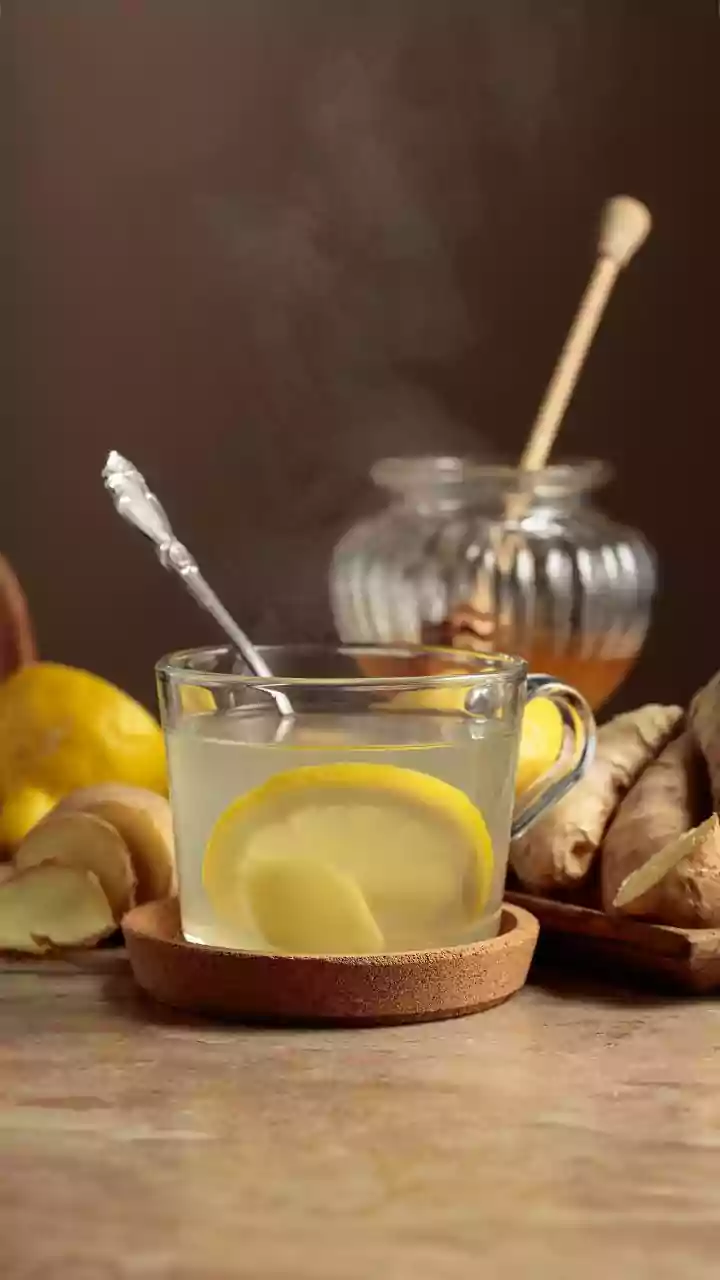
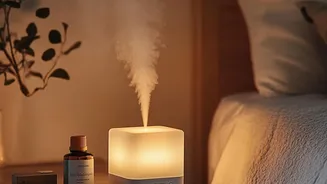
If you're seeking relief from sinus misery, there are several safer and effective methods recommended by medical professionals. Saline nasal rinses or sprays are highly effective at flushing out mucus and irritants. Using a humidifier to add moisture to your entire room is a gentler way to achieve a similar benefit to direct steam. Applying a warm compress to your face can help ease pressure and pain. Staying well-hydrated by drinking plenty of water and warm teas helps thin mucus from the inside out. And simply resting with your head elevated can encourage natural drainage.