




Kyoto’s Fushimi Inari Shrine
The thousands of vermillion torii gates winding up a mountainside are undeniably one of Japan's most breathtaking sights. The issue isn't the shrine's beauty, but its fame. The lower paths can become incredibly congested, especially between mid-morning
and late afternoon, turning a spiritual hike into a slow, crowded shuffle. Getting that iconic photo without strangers in it can feel like an impossible task. While many argue the experience is worth it if you go very early in the morning or are willing to hike to the less-crowded upper sections of the mountain, not everyone has the time or energy for that.For a similar visual impact with a fraction of the crowds, consider Nezu Shrine in Tokyo. It features its own beautiful, smaller-scale tunnel of torii gates set in a tranquil environment, offering a comparable experience without the intensity of Fushimi Inari's peak-hour crowds. Or, if you are set on Kyoto, seek out quieter sub-temples or explore the upper trails of Fushimi Inari itself, where the crowds thin out significantly.
Tokyo Skytree vs. City Views
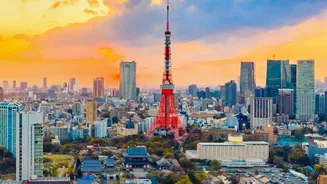
As the tallest structure in Japan, the Tokyo Skytree promises unparalleled views of the sprawling metropolis. While the panorama from 350 or even 450 meters is vast, the experience comes with a hefty price tag and often, long queues. Some visitors find the view from such a great height makes the city look more like an abstract map than a living, breathing place. The glass can also cause reflections, making nighttime photography tricky.For a fantastic—and free—alternative, head to the Tokyo Metropolitan Government Building in Shinjuku. Its twin observation decks, located at a still-lofty 202 meters, offer stunning panoramic views of the city, and on a clear day, you might even spot Mount Fuji. While it's no longer a well-kept secret and can get busy, especially at sunset, it delivers incredible value and a classic Tokyo vista that includes the Skytree itself.
Kyoto’s Kinkaku-ji (Golden Pavilion)
Reflecting perfectly in its surrounding pond, the gold-leaf-covered Kinkaku-ji is the picture-postcard image of Kyoto. It is stunningly beautiful, but the visitor experience can feel somewhat limited. You view the pavilion from a distance across the pond, and you can't go inside. Crowds are herded along a set path, making it feel more like a quick photo opportunity than a peaceful, contemplative visit. The entire experience can be over in a short amount of time, leaving some visitors feeling underwhelmed. For a more immersive and tranquil temple experience in Kyoto, consider Ginkaku-ji (the Silver Pavilion). Though it was never actually covered in silver, it possesses a subtle, rustic beauty ('wabi-sabi') and features an exquisite moss garden and a dry sand garden you can admire at a leisurely pace. Another excellent choice is Ryoan-ji Temple, home to Japan's most famous Zen rock garden, which invites quiet reflection and offers a profoundly different kind of beauty.
Arashiyama Bamboo Grove
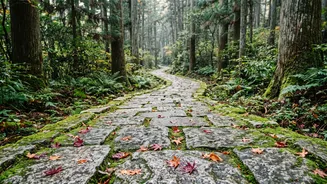
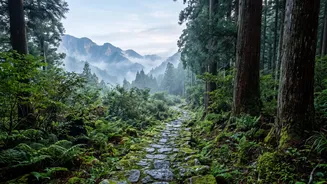
The feeling of walking through a dense forest of towering bamboo is a magical concept, and Arashiyama is its most famous example. Unfortunately, the reality often involves being packed shoulder-to-shoulder with other tourists on a relatively short path. The serene, otherworldly atmosphere promised by photos can be hard to find amidst the noise and the constant jostle for a clear shot.If you seek a more peaceful woodland walk, consider the hiking trail from Kurama to Kibune, just north of Kyoto. This scenic two-hour walk takes you through a forest of ancient cedar trees, past smaller shrines, and along streams. It offers the tranquility and connection with nature that many hope to find at Arashiyama, but with far fewer people. Alternatively, within the Arashiyama area itself, a short walk away is Adashino Nenbutsu-ji Temple, which has its own smaller, more atmospheric bamboo grove.