







The Psychology of the All-or-Nothing Trap
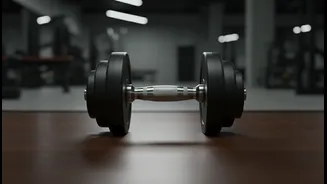
Many of us fall victim to an 'all-or-nothing' mindset when it comes to fitness. We believe a workout only 'counts' if it's an hour-long, sweat-drenched session at a fully-equipped gym. This perfectionist ideal is often the biggest barrier to progress.
Research shows that this rigid thinking leads people to abandon exercise entirely when life inevitably gets in the way. A missed session feels like failure, so instead of adapting—say, doing a shorter workout—we do nothing. This cycle of starting with high ambitions, burning out, and quitting is exhausting and demotivating. It creates a narrative that you are 'bad' at exercising, when in reality, the strategy was simply unsustainable. The secret is to let go of the idea that exercise has to look a certain way to be effective.
The Surprising Power of Consistency
So what's the alternative? Consistency. Research increasingly shows that regular, moderate activity provides more cumulative benefits over time than sporadic, high-intensity workouts. A study from Edith Cowan University found that a small amount of daily activity was more beneficial for building muscle strength than less frequent, more intense sessions. Short, regular workouts build habits, and habits are the foundation of long-term success. Each session, no matter how brief, reinforces the behaviour, making it easier to show up the next day. This approach reduces the risk of injury and burnout associated with overly ambitious plans. The goal is to make movement a natural and enjoyable part of your routine, not another monumental task on your to-do list. Even 15-20 minutes a day can have significant impacts on your mood, energy, and cardiovascular health.
Building Your 20-Minute Home Workout
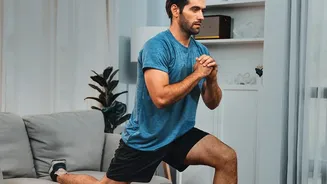
Creating an effective home routine doesn’t require a lot of time or fancy equipment. The key is to focus on efficiency and movements that work multiple muscle groups at once. A simple, balanced plan can be built around three core components: cardiovascular exercise, strength training, and flexibility. For cardio, think jumping jacks, high knees, or even dancing in your living room. For strength, bodyweight exercises are your best friend: squats, push-ups (on your knees if needed), lunges, and planks are fantastic for building a strong foundation. Aim to structure your 20 minutes like this: a 3-minute warm-up, 15 minutes of a circuit (e.g., 45 seconds of an exercise followed by 15 seconds of rest, cycling through 4-5 moves), and a 2-minute cool-down with stretching. The best routine is one you can do with minimal setup, removing any friction between you and your workout.
From Chore to Habit: Making It Stick
The hardest part of any new routine is the first few weeks. To make your new home workout habit stick, try a few psychological tricks. First, 'habit stack' by linking your workout to an existing daily behaviour. For example, decide to exercise right after you brush your teeth in the morning or as soon as you change out of your work clothes. Second, start ridiculously small. If 20 minutes feels daunting, commit to just five minutes. The goal is to build the identity of someone who exercises daily. Once the habit is established, you can gradually increase the duration. Finally, focus on how it feels. Instead of tracking calories burned, notice if you have more energy or feel less stressed. Enjoyment and feeling competent are two of the strongest predictors of long-term exercise adherence. Remember, a 10-minute walk on a tough day isn't a failure—it's a win for consistency.