







The Problem with Humidity
On a hot, dry day, your body has a brilliant cooling system: sweating. As sweat evaporates from your skin, it pulls heat away, lowering your body temperature. But when the air is already thick with moisture—as it is during India's monsoons or in coastal
cities—that evaporation process breaks down. With relative humidity above 60%, the air can't absorb much more water, so sweat just sits on your skin without providing its cooling benefit. In response, your body's only solution is to sweat even more, hoping to cool down. This cycle leads to a rapid loss of body fluid, even if you don't feel like you're cooling off.
It's More Than Just Water Loss
Here's the crucial detail many people miss: sweat isn't just water. It's a complex fluid packed with essential minerals called electrolytes. The most important of these are sodium, potassium, calcium, and magnesium. These minerals are vital for nerve signals, muscle contractions, and maintaining the right fluid balance inside and outside your cells. During an hour of intense activity in hot, humid conditions, you can lose one to two litres of sweat, carrying away a significant amount of these critical electrolytes.
Why Plain Water Can Fall Short
When you sweat heavily and replace that loss with only plain water, you're only solving half the problem. You're replenishing the fluid, but not the electrolytes. This can dilute the concentration of sodium remaining in your bloodstream. In prolonged scenarios of heavy sweating and high water intake, this can lead to a dangerous condition called hyponatremia, or water intoxication. Symptoms can be confusingly similar to dehydration, including nausea, headaches, muscle cramps, and confusion. While this is an extreme outcome, it highlights a fundamental principle: effective hydration is about balance, not just volume.
When to Reach for an Electrolyte Drink
For most daily activities, plain water is still the perfect choice for hydration. However, you should consider an electrolyte-replenishing drink in specific situations: during and after intense exercise lasting more than an hour; when working outdoors for long periods in the heat and humidity; or when recovering from an illness involving vomiting or diarrhoea. If you're sweating profusely and feel dizzy or weak despite drinking water, your body is likely signalling a need for electrolytes. Natural options like coconut water, which is rich in potassium and other minerals, or traditional Indian drinks like nimbu pani (with salt and sugar) and buttermilk can be excellent choices.
A Simple DIY Hydration Solution
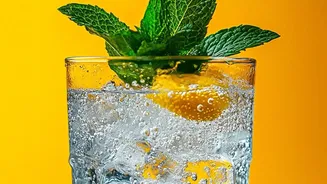
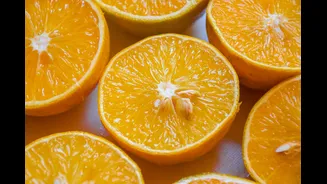
You don't need to rely on expensive commercial sports drinks, which can often be high in sugar. You can easily make your own effective electrolyte drink at home, similar to a basic Oral Rehydration Solution (ORS). For a simple and effective mix, combine one litre of clean water with six level teaspoons of sugar and half a level teaspoon of salt. The sugar (a carbohydrate) helps your body absorb the sodium and water more efficiently. A squeeze of lemon or orange juice can be added for flavour and a small boost of potassium. This simple solution is a powerful tool for rebalancing your body during periods of intense fluid loss.