



The Mutton of the Forest Floor
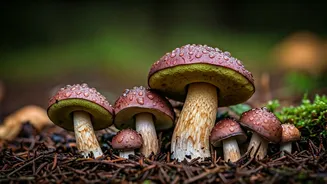
First, let's clear up a common misconception: Rugda isn't technically a mushroom. It’s a type of edible puffball fungus (*Astraeus hygrometricus*) that grows wild in the Sal forests of Jharkhand. Appearing during the monsoon season, these small, round,
and mud-caked globes look more like earthy pebbles or tiny potatoes than a typical fungus. They have a tough outer shell that, when peeled, reveals a soft, white interior. For the tribal communities of Jharkhand, who have foraged them for generations, Rugda is a celebrated part of their culinary heritage. Its most famous quality is its texture. When cooked, it becomes surprisingly chewy and dense, earning it the beloved nickname 'vegetarian mutton'. This unique characteristic makes it a prized source of protein and a delicacy that marks the arrival of the rains.
The Treasure Hunt After the Storm
The mystique and high price of Rugda are deeply connected to how it is sourced. It cannot be cultivated; it can only be foraged. This task falls to the local tribal women, who venture into the dense forests during the treacherous monsoon months. They are experts at spotting the subtle cracks in the earth that signal the presence of Rugda underneath. The fungus has a symbiotic relationship with the roots of Sal trees, making its location specific and unpredictable. Local folklore adds another layer of magic and scarcity: it is widely believed that Rugda only sprouts in soil that has been struck by lightning. While scientifically this may relate to the electrical charge stimulating fungal growth, it fuels the narrative of a gift from the heavens, available only for a brief, rain-soaked window each year.
Why Is It So Expensive?
The headline isn't exaggerating. Rugda’s price tag can rival that of high-end ingredients. At the beginning of the season in June and July, when supply is scarce and demand is frantic, prices in local markets can soar to ₹1,000-₹1,200 per kilogram, and sometimes even higher. A combination of factors drives this cost. The foraging process is labour-intensive and time-consuming, and the yield is entirely dependent on the weather. The season itself is fleeting, lasting only for the core monsoon months. Furthermore, a significant portion of the harvest is consumed locally, where it is a cherished delicacy. As word of this unique ingredient spreads to urban centres, a new source of demand from chefs, food bloggers, and curious gourmands is putting additional pressure on an already limited supply, naturally pushing the prices up for anyone outside the immediate region.
From Simple Curry to Gourmet Plates
The traditional way to enjoy Rugda is in a simple, hearty curry. After being thoroughly cleaned and peeled, it is often cooked with onions, tomatoes, ginger, garlic, and a blend of spices. The fungus absorbs the flavours of the curry beautifully, while its own earthy taste provides a rich base. The 'vegetarian mutton' curry is a staple that offers a meaty satisfaction without the meat. Now, this humble forest fungus is getting a modern makeover. Chefs in cities like Ranchi, Delhi, and Mumbai are beginning to experiment with it. You might find it in a creamy soup, pan-seared as a side dish, stuffed into parathas, or even as the star ingredient in a gourmet biryani. This foodie attention is introducing Rugda to a whole new audience, celebrating its unique texture and flavour profile in innovative ways that honour its rustic origins.