



The Legend's Baptism of Fire
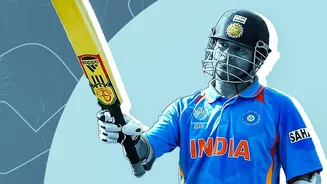
November 15, 1989. A 16-year-old Sachin Tendulkar, not yet a legend, walks out to bat in Karachi against Pakistan. The opposition isn't just any team; it's a squad boasting the fearsome pace duo of Wasim Akram and a debuting Waqar Younis, alongside the legendary
Imran Khan. In his first Test innings, Tendulkar scored a modest 15 runs before being bowled by Younis. His ODI debut on the same tour was even less auspicious, ending in a two-ball duck. On paper, these numbers seem underwhelming. But context is everything. He faced one of history's most potent bowling attacks on their home turf as a teenager. He was noted for his courage, even after being hit in the nose, he famously continued to bat, a moment that foreshadowed the resilience that would define his career. His entire debut tour yielded 215 Test runs with two half-centuries, a solid performance that showcased immense promise rather than immediate dominance.
Enter Vaibhav: The Modern Phenom
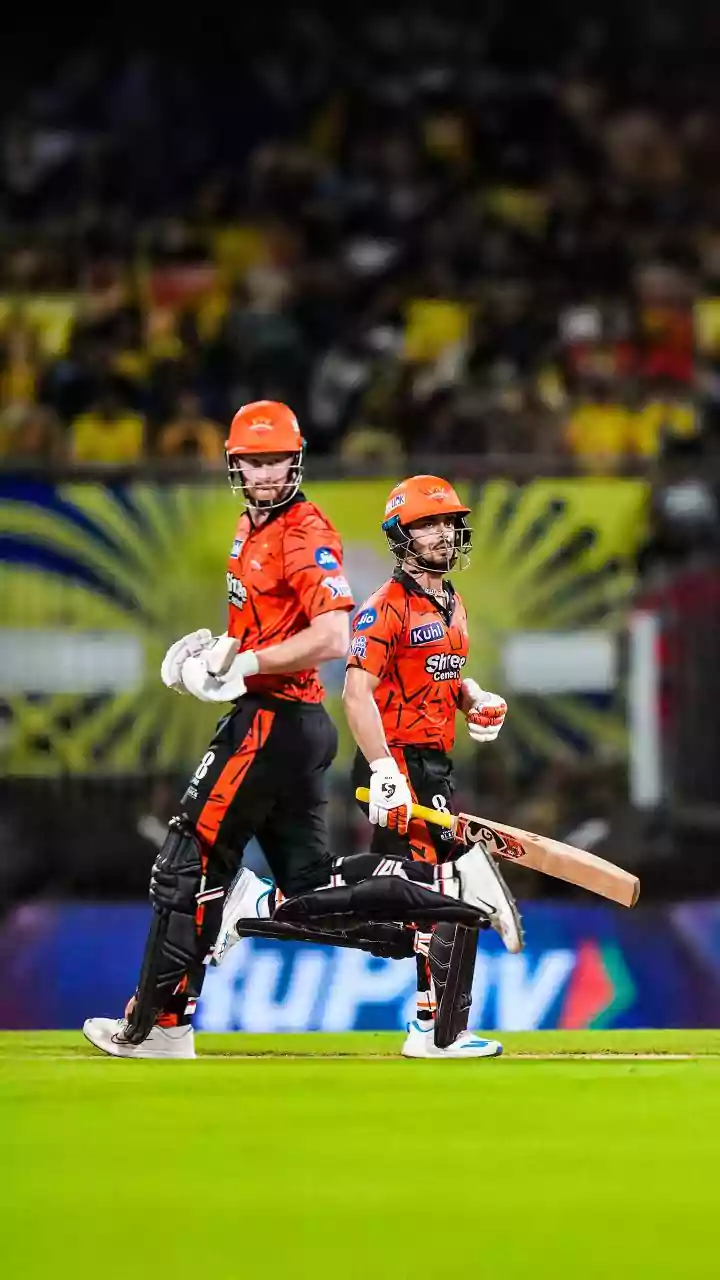
Now, let’s imagine 'Vaibhav', the archetypal Indian debutant of the 2020s. He isn't one specific player, but an amalgamation of the incredible young talent emerging today, like Yashasvi Jaiswal or Tilak Varma. Vaibhav’s journey to the Indian team likely started in the high-octane Indian Premier League (IPL). He has already faced international stars, played in front of massive crowds, and is a known entity thanks to non-stop media coverage. When he makes his international debut, perhaps against a less intimidating opponent, the conditions are often more batter-friendly. He might explode onto the scene with a blistering 84 not out in a T20I or even a debut Test century, as Jaiswal did with his 171. Statistically, Vaibhav's start blows Sachin's out of the water. His strike rate is higher, the runs are more plentiful, and he instantly grabs headlines as the next big thing.
Comparing Eras, Not Just Scores
A direct statistical comparison is misleading because the game itself has transformed. In Sachin's era, Test cricket was the undisputed pinnacle, and a 'good start' was about showing sound technique, temperament, and the ability to build an innings. The pace of scoring was slower, and survival against a swinging ball was a victory in itself. The Indian team of the 90s was also heavily dependent on Tendulkar, meaning the pressure on him was immense from a young age. Today's cricket, heavily influenced by T20s, demands immediate impact. Batters are expected to score quickly from the outset. The IPL acts as a finishing school, preparing young players for the pressures of international cricket in a way that domestic cricket in the 80s and 90s could not. This gives the modern 'Vaibhav' a significant advantage in terms of being prepared for the big stage.
The Weight of Expectation
While both faced pressure, its nature was different. Tendulkar carried the hopes of a nation that was still finding its footing as a cricketing powerhouse. The team around him was often inconsistent, and for much of the 90s, the saying went, "If Sachin gets out, turn off the TV." This was a long-term, grinding pressure. For 'Vaibhav', the pressure is more immediate and intense. He arrives with a multi-crore IPL contract, a polished social media presence, and the expectation to not just succeed, but to dominate instantly. Every performance is dissected in real-time by millions online. While Sachin had to build his brand over years, 'Vaibhav' is a brand from day one, and the commercial and fan expectations are astronomical from the moment he steps onto the field.