





The Viral Trend: What is Black Milk?
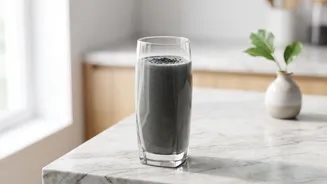
Recently, actress Adah Sharma posted a video of herself drinking a striking, dark-coloured beverage she called 'black milk'. She shared that someone told her it would make her skin glow and provided a recipe. Unlike the 'black drinks' that sometimes get
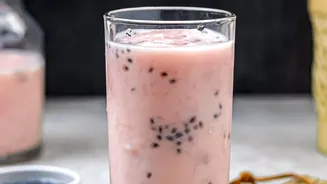
their colour from activated charcoal, Adah's version is made from blending soaked and roasted black sesame seeds ('kala til'), cashews, and dates with water, then straining the mixture. She even suggested using the leftover pulp as a face pack. This drink taps into a growing interest in plant-based and functional beverages in India, where consumers are increasingly exploring everything from herbal teas to traditional wellness recipes.
The Cosmetic Promise: A Glow From Within?
The primary claim that caught everyone's attention was the promise of glowing skin. This falls squarely into the category of a 'cosmetic' or 'structure/function' claim. These types of claims suggest a food or ingredient can affect the normal structure or function of the body, such as 'calcium builds strong bones' or, in this case, that a drink can improve skin appearance. The ingredients in Adah's milk, particularly black sesame seeds, do contain nutrients associated with skin health. Black sesame is a source of antioxidants and vitamin E, which are known to help protect skin from damage and maintain moisture. Using the leftover pulp as a face pack provides a topical benefit, gently exfoliating and nourishing the skin from the outside.
The Nutritional Reality: What the Science Says
Beyond the cosmetic allure, what are the actual nutritional benefits? Black sesame seeds are indeed a nutritional powerhouse. They are a good source of calcium (important for bone health), iron, zinc, and healthy fats. The drink, made from sesame, cashews, and dates, provides plant-based protein, fibre, and various minerals. From a nutritional standpoint, it's a wholesome, homemade beverage. However, it's important to distinguish this from the 'detox' trend often associated with other black-coloured drinks containing activated charcoal. While activated charcoal is used in medical settings to treat poisoning, its use in food and drinks is controversial. It can bind not only to toxins but also to essential nutrients, vitamins, and medications, potentially reducing their effectiveness. Adah's recipe, thankfully, relies on whole foods, not charcoal.
Health Halos and Celebrity Influence
When a celebrity endorses a health product, it can create a 'health halo'. We might assume the product is exceptionally healthy or effective simply because a person we admire uses it. Celebrities and influencers play a huge role in shaping wellness trends, sometimes popularising ideas based more on perception than science. The key is to look beyond the endorsement and examine the ingredients for what they are. Adah Sharma's black milk is a good example of a relatively healthy, traditional recipe gaining modern attention. The ingredients have known nutritional properties. The 'promise' of glowing skin is an appealing cosmetic benefit, while the nutritional reality is that it's a drink made from nutrient-dense seeds and nuts.
How to Be a Savvy Consumer
In a world full of wellness trends, it pays to be a critical thinker. First, always distinguish between a 'health claim' and a 'structure/function claim'. A health claim, which is tightly regulated, links a food to reducing the risk of a specific disease (e.g., 'may reduce the risk of heart disease'). A structure/function claim, like 'supports glowing skin', is much broader. Second, ignore the hype and read the ingredients. Are they whole foods you recognise? Or is it a list of processed elements and buzzword extracts? Finally, be wary of promises that sound too good to be true. A single food or drink won't magically transform your health or appearance. True wellness comes from a balanced diet, consistent lifestyle choices, and listening to your body, not just the latest viral trend.