



The Digital Detox Imperative
The modern tech workplace is a high-pressure environment defined by constant connectivity. The relentless cycle of notifications, an 'always-on' work culture, and long hours staring at code can lead to significant mental fatigue and burnout. The Western
Ghats, with their often patchy mobile networks and focus on natural immersion, offer a mandatory disconnect. Research increasingly shows that time spent in nature reduces levels of the stress hormone cortisol, improves mood, and helps counter the emotional exhaustion associated with chronic workplace stress. For a demographic whose professional lives are deeply intertwined with the digital world, the act of driving into a region where connectivity takes a backseat is not a bug, but a feature. It’s a forced mindfulness that allows for a genuine sensory and mental reset.
Proximity and the 48-Hour Reset
One of the most practical reasons for the popularity of these trips is simple geography. Major IT hubs like Bengaluru, Pune, and Mumbai are strategically located within a few hours' drive of the Western Ghats' most stunning stretches. Destinations like Coorg, Chikmagalur, and Wayanad are accessible from Bengaluru, while those in Mumbai and Pune can easily escape to Lonavala, Malshej Ghat, or the Tamhini Ghat region. This proximity makes a meaningful weekend escape feasible without eating into precious workdays. The ability to leave the city on a Friday evening and be amidst sprawling tea estates or monsoon waterfalls by Saturday morning transforms the weekend from a brief pause into a restorative mini-holiday. This accessibility has turned the Western Ghats into a reliable and repeatable escape valve for city dwellers.
A Symphony for the Senses
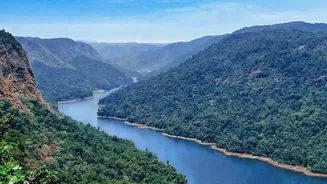
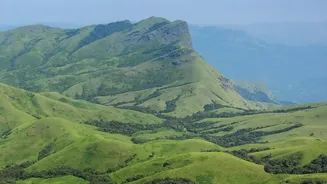
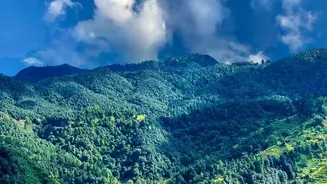
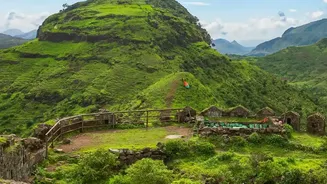
The contrast between a sterile, air-conditioned office and the vibrant ecosystem of the Ghats is profound. The experience is a full-body immersion in nature. During the monsoon, the landscape transforms into a canvas of endless green, with waterfalls cascading down basalt cliffs and mist rolling across the roads. The air, thick with the smell of wet earth and vegetation, is a world away from city pollution. The soundtrack shifts from keyboard clicks and server hums to the sound of birds, rustling leaves, and rainfall. For many, this sensory feast is the core of the experience, offering a grounding effect that helps reconnect them with the physical world after days spent in a virtual one.
The Journey as the Destination
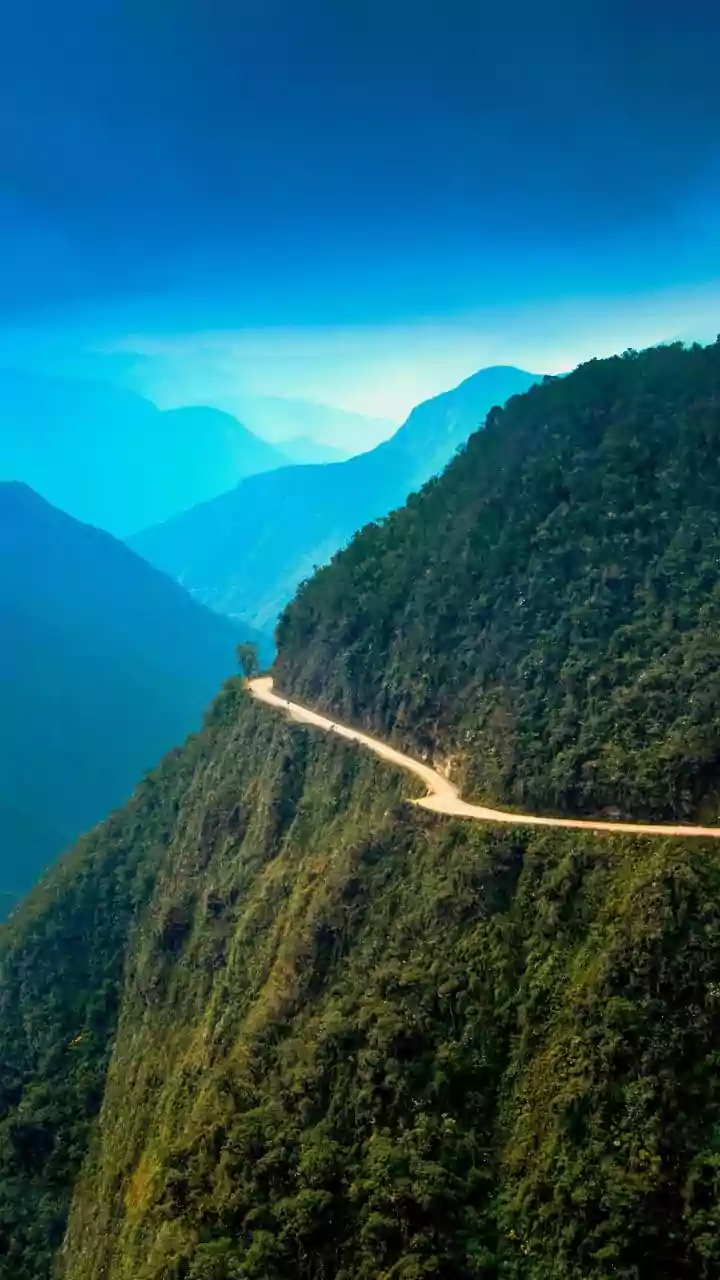
The very format of a road trip appeals to the tech professional's mindset, which often values autonomy and problem-solving. Unlike a structured tour, a road trip offers freedom and control. The journey itself, navigating winding ghat roads and discovering hidden gems, becomes a core part of the adventure. It’s about the impromptu stops for a hot cup of tea at a roadside stall, the flexibility to explore a newly spotted trail, and the shared experience of navigating with friends. This sense of agency is a powerful antidote to the often rigid and hierarchical nature of corporate life, allowing for a sense of exploration and personal discovery that is both thrilling and deeply satisfying.
A Quest for Authentic Experiences
Beyond just sightseeing, these trips are often a search for authenticity. This manifests in choosing to stay in local homestays over commercial hotels, allowing for a closer connection to the region's culture. It's also about the food – savouring local Kodava cuisine in Coorg, exploring the flavours of Malenad, or enjoying fresh coastal fare along the Konkan coast. In a world of curated digital feeds and globalised city culture, these hyper-local experiences feel real and grounding. For tech workers who spend their days building abstract digital products, the tangible, sensory, and culturally rich experiences offered by the Western Ghats provide a much-needed sense of balance and connection to the world beyond the screen.