







Understanding Monsoon Gaps
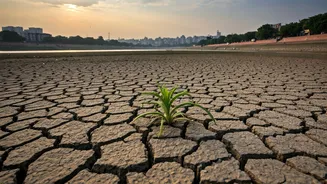
The Indian monsoon is a four-month season, but it doesn't rain continuously. Periods of little to no rainfall, known as 'monsoon breaks' or 'gaps', can occur. These dry spells, especially during the crucial sowing months of June and July, disrupt the natural
rhythm of agriculture. If a gap is prolonged, it can lead to a rainfall deficit, damaging crops and creating a ripple effect that eventually reaches your wallet. These breaks are becoming a growing concern as erratic weather patterns, sometimes influenced by phenomena like El Niño, can make them more frequent or severe.
The Immediate Impact: Your Grocery Bill
The most direct way a monsoon gap hits your budget is through food prices. A significant portion of India's farmland is rain-fed, meaning it depends on the monsoon for water. When the rains fail, soil moisture drops, delaying sowing and harming crop yields. Vegetables and pulses are particularly vulnerable. A poor monsoon can reduce the supply of staples like tomatoes, onions, and beans, causing their prices to surge. Traders report that erratic rains disrupt the entire supply chain, leading to prolonged periods of high prices that can last until October, well after the usual harvest season. This food inflation is a primary concern whenever rainfall becomes patchy, directly increasing your weekly spending at the local market.
The Hidden Costs: Electricity and Water
The financial strain doesn't stop at the vegetable cart. Weak monsoons have secondary effects that show up on your utility bills. Firstly, deficient rainfall leads to lower water levels in reservoirs. This directly impacts hydropower generation, a key source of electricity in many states. To compensate for the shortfall, power companies may have to purchase more expensive electricity from the open market, a cost that can be passed on to consumers through surcharges. Secondly, monsoon gaps are often accompanied by higher temperatures. This increases household electricity consumption as fans, coolers, and air conditioners run for longer. In areas facing water scarcity due to poor rains, households may also be forced to spend money on private water tankers, adding another unforeseen expense.
Smart Shopping in a Tough Season
While you can't control the weather, you can adapt your spending. The first step is to be a savvy shopper. Plan your meals for the week before you go to the market to avoid impulse buys and reduce food waste. Be flexible with your vegetable choices; if tomatoes are expensive, explore recipes that use other bases. Embrace seasonal variety – buy vegetables that are currently abundant and therefore cheaper. Consider visiting local farmers' markets where prices might be lower than at large supermarkets. Buying in bulk for non-perishable items like pulses and grains can also be cost-effective, but only if you have proper storage to prevent spoilage.
Budgeting for the Breaks
The key to managing these seasonal fluctuations is planning. Start by creating a seasonal buffer fund during months when your expenses are lower. Set aside a small, fixed amount each month specifically for predictable cost spikes during summer and monsoon. Review your electricity usage. Unplug appliances when not in use, ensure your refrigerator's seals are intact, and use energy-efficient lighting. During a hot, dry spell, simple measures can help keep your home cool without over-relaying on the AC, such as using curtains to block midday sun. Finally, consider exploring food preservation techniques like pickling or freezing when vegetables are cheap and abundant. This allows you to enjoy them later when prices have gone up.