




More Than Just Empty Calories
Let's clear up the biggest misconception first: corn is not just an empty-calorie carbohydrate. While it is a source of carbs, they are primarily complex carbohydrates. Unlike the simple carbs found in sugary snacks that cause a rapid spike and crash
in blood sugar, the complex carbs in corn are digested more slowly. This provides a steady release of energy, keeping you feeling full and energised for longer. It’s the perfect fuel to combat that grey, rainy-day lethargy. Plus, a single cob of corn is surprisingly low in calories, typically containing only around 100-150 calories, making it a much smarter choice than deep-fried snacks like pakoras or samosas.
A Rich Source of Fibre
One of the most significant benefits of corn is its high fibre content. A medium-sized ear of corn can provide a substantial portion of your daily recommended fibre intake. This fibre is crucial for digestive health. It helps to promote regular bowel movements, preventing constipation and maintaining a healthy gut. A high-fibre diet is also linked to a lower risk of various chronic diseases, including heart disease and certain types of cancer. The insoluble fibre in corn acts like a scrub brush for your digestive tract, helping to keep things moving smoothly. So, while you're savouring that smoky flavour, you're also doing your digestive system a huge favour.
An Antioxidant Powerhouse
The bright yellow colour of corn isn't just for show. It signals the presence of powerful antioxidants, particularly carotenoids like lutein and zeaxanthin. These compounds are famously beneficial for eye health. They accumulate in the retina and help protect your eyes from oxidative damage caused by blue light and other environmental factors. Regular consumption of lutein and zeaxanthin can help reduce the risk of age-related macular degeneration and cataracts, two of the leading causes of vision loss in older adults. Corn also contains other antioxidants, like ferulic acid, which help fight off free radicals throughout the body, protecting your cells from damage and reducing inflammation.
Packed with Essential Vitamins and Minerals
Beyond fibre and antioxidants, corn is a good source of several essential vitamins and minerals that our bodies need to function optimally. It's particularly rich in B vitamins, including thiamine (B1), niacin (B3), and folate (B9). These vitamins play a key role in energy metabolism, helping your body convert the food you eat into usable energy. They are also important for brain function and nerve health. Additionally, corn provides important minerals like magnesium, which is involved in hundreds of biochemical reactions in the body, and phosphorus, which is essential for bone health. It’s a nutrient-dense food disguised as a simple street-side snack.
How to Keep It Healthy
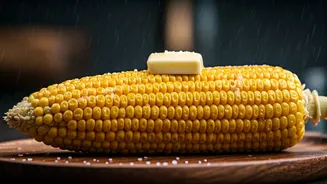
The health benefits of bhutta are maximised when it's prepared the right way. The traditional Indian method of roasting it over charcoal is one of the best. This method requires no oil and imparts a delicious, smoky flavour without adding unnecessary fat or calories. Steaming or boiling are also excellent healthy options. The key is what you add to it. Instead of slathering it in butter, stick to the classic squeeze of lime juice (nimbu), a sprinkle of salt, and a dash of chaat masala or red chilli powder. This combination enhances the flavour beautifully without compromising its nutritional profile. By being mindful of the toppings, you can ensure your rainy-day favourite remains a truly guilt-free pleasure.