




Starting Point: The Royal City of Mysuru
Before you begin your northward journey, immerse yourself in the grandeur of Mysuru. The ideal time for this trip is between October and February, when the weather is pleasant and perfect for exploration. Spend a day exploring the iconic Mysuru Palace,
the official residence of the Wodeyar dynasty. Its Indo-Saracenic architecture is breathtaking, especially when illuminated on Sunday evenings. Other notable spots include the Gothic-style St. Philomena's Church and a drive up Chamundi Hill for panoramic city views. Fuel up with some iconic Mysuru Masala Dosa before hitting the road; the roughly 440-kilometre journey to Hampi is best broken up over a couple of days.
First Stop: The Monolith of Shravanabelagola
About a two-hour drive from Mysuru lies Shravanabelagola, a major Jain pilgrimage site. Its primary draw is the colossal 57-foot statue of Gommateshwara (Bahubali) that stands atop Vindhyagiri Hill. Carved from a single block of granite in 981 CE by a minister of the Ganga dynasty, it is one of the tallest monolithic statues in the world. Be prepared to climb several hundred steps carved into the rock to reach the statue, but the serene expression of Bahubali and the sweeping views are well worth the effort. The statue symbolizes peace and renunciation, a powerful first stop on your historical tour.
Architectural Wonders: Belur and Halebidu
Next, head towards the twin towns of Belur and Halebidu, the former capitals of the Hoysala Empire which ruled from the 10th to the 14th centuries. These sites are home to some of the most exquisitely carved temples in India, crafted from soft soapstone that allowed for incredible detail. In Belur, the Chennakeshava Temple, dedicated to Lord Vishnu, took over a century to build and is famed for its intricate sculptures and lathe-turned pillars. Just 16 kilometres away, Halebidu's Hoysaleswara Temple, dedicated to Lord Shiva, features elaborate wall friezes depicting mythological tales, animals, and dancers. These temples are a masterclass in Hoysala architecture and a highlight of the journey.
The Mighty Fortress: Chitradurga
As you continue your drive towards Hampi, a stop at the formidable Chitradurga Fort is a must. This massive hill fort, built by various dynasties including the Chalukyas, Hoysalas, and Nayakas, is an engineering marvel. Known as a 'Giridurga' or hill fortress, it consists of seven concentric fortification walls, winding gateways, and nineteen temples, including the ancient Hidimbeshwara temple. The fort is a testament to brilliant military architecture, designed to thwart enemies with its complex layout. Exploring its rugged landscape, ancient temples, and ingenious rainwater harvesting systems offers a glimpse into the region's martial history.
Destination: The Lost Empire of Hampi
The final leg of your journey brings you to Hampi, the last capital of the great Vijayanagara Empire and a UNESCO World Heritage Site. Spread over a vast area on the banks of the Tungabhadra River, Hampi's landscape is as dramatic as its history, with giant boulders strewn across the terrain. This was once one of the richest cities in the world, and its ruins speak of that opulent past. Key sights include the Virupaksha Temple, which has been in continuous worship for centuries; the iconic Stone Chariot at the Vittala Temple Complex; and the elegant Lotus Mahal in the Royal Centre. Plan to spend at least two full days here to truly absorb the atmosphere of this incredible open-air museum.
Practical Tips for Your Journey
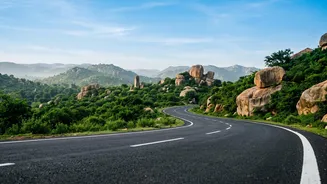
The drive from Mysuru to Hampi can take around 8-9 hours without stops, so breaking it into a two or three-day trip is highly recommended. The roads, particularly the national highways via Chitradurga, are generally in good condition, but expect some stretches with heavy truck traffic. For accommodation, Mysuru offers a wide range of hotels, while in Hampi, you can stay either in the main bazaar area for a rustic experience or in the nearby town of Hospet for more conventional hotel options. Hiring a cab for the entire route provides flexibility, though bus services are also available between the major towns. Always carry water and snacks, as food options can be sparse between major stops.