








The Enduring Allure of Adda
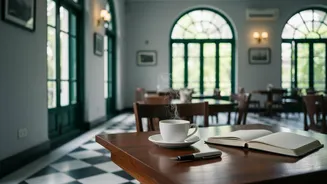
In Kolkata, a coffee shop has never been just a place to grab a beverage. It is a public sphere, a cultural institution, and the stage for 'adda'—a deeply ingrained tradition of long, informal, and spirited conversations. Historically, iconic venues like
the Indian Coffee House on College Street were the epicentres of intellectual and political debate, where students, artists, and future leaders could spend hours over a single cup, shaping the city's cultural history. This culture of leisurely discourse, unhurried and unmonitored, became a hallmark of Bengali identity, a space for community and connection that prioritised conversation above all else. The atmosphere was intentionally calm and inspiring, allowing patrons to be lost in thought or discussion without pressure.
A New Customer at the Table
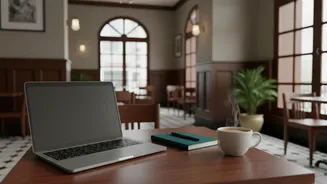
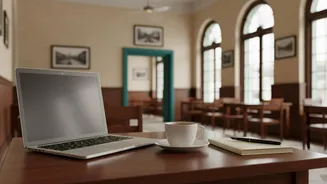
The global rise of remote and hybrid work has introduced a new dynamic into these hallowed halls. A growing tribe of freelancers, digital nomads, and remote employees are seeking refuge from the confines of home, drawn to the ambient charm of cafés. This isn't just about a change of scenery; practical needs like frequent power cuts and the desire for air-conditioned comfort also drive this trend. This new clientele comes with different requirements: reliable Wi-Fi, accessible power outlets, and a quiet corner to focus. Cafés across the city, from modern chains like Blue Tokai to quaint local spots like 8th Day Café & Bakery, have been quick to cater to this burgeoning market, explicitly advertising themselves as work-friendly.
More Than Just Offering Wi-Fi
For Kolkata's cafés, adapting is more than a simple technological upgrade. It represents a fundamental shift in their business model and atmosphere. Many are thoughtfully redesigning their spaces to accommodate both the talkers and the typers. Some establishments now feature dedicated work zones, high seats built for solo workers, and even co-working floors to minimize interruptions for those on the clock. The menu is also evolving, with some cafés introducing special offers like all-day dining or cooling beverages tailored for guests staying for longer work sessions. This fusion of café culture and remote work is reshaping how the city operates, blurring the traditional boundaries between a third place for leisure and a functional office space.
Preserving Soul in a Digital Age
This adaptation, however, creates a cultural tension. Can the soulful, free-flowing spirit of adda coexist with the silent, focused productivity of a co-working space? The very essence of an institution like the Indian Coffee House was the ability to linger for hours without the pressure to keep ordering. Today, that is changing. Even at this iconic location, there's a growing realisation that endless occupation of a table for the price of a single cheap coffee is no longer sustainable. The management has become firmer, acknowledging that while the heritage is important, it must operate as a business. This has led to a faster turnover of customers, a development that benefits the balance sheet but alters the timeless, unhurried character that defined it for generations.