





Beyond Butter Chicken
For years, dining out in India often meant choosing between familiar categories: North Indian, South Indian, or perhaps Chinese. But a quiet revolution is reshaping restaurant tables. Chefs and restaurateurs are moving beyond these broad strokes, digging
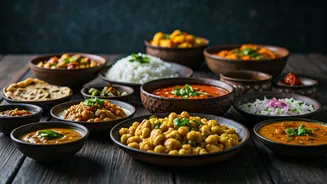
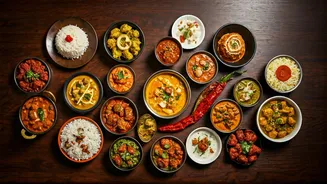
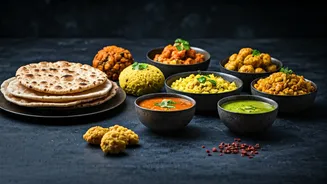
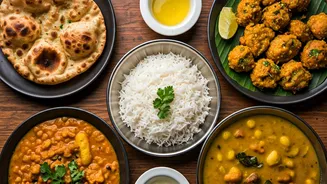
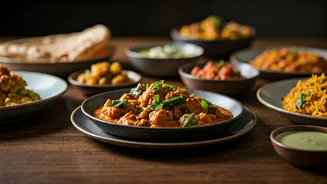
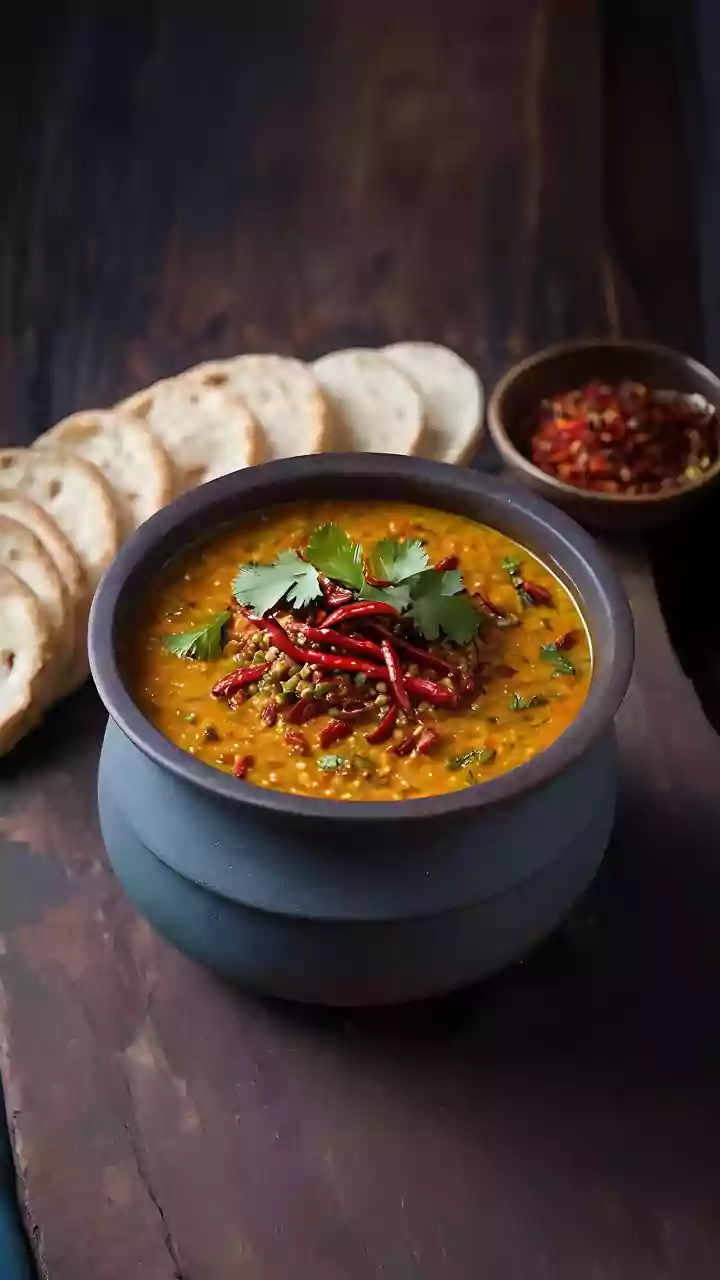
deep into the country's vast culinary library to present menus that read like a gastronomic atlas. [5, 20] This trend celebrates hyperlocal cuisines, resurrecting forgotten recipes and showcasing the incredible diversity that exists within a single state, let alone the entire nation. [5, 23] Instead of a generic 'curry', you might now find a fiery Kolhapuri mutton, a tangy Goan prawn curry, and a fragrant Kerala-style stew, each telling a distinct story of its origin. [6, 16] This shift challenges the stereotype of Indian food as a monolithic entity, inviting diners to explore the nuanced flavours of regions they may have never visited.
The Chef as a Cartographer
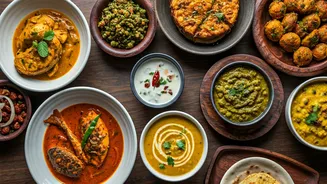
What's driving this change? For many chefs, it's a passion for rediscovery and a desire to educate. [5, 9] They are travelling to remote villages, learning from home cooks, and studying historical culinary traditions to bring authentic, lesser-known dishes to a wider audience. [23] This movement is about more than just nostalgia; it's a creative pursuit to preserve culinary heritage with a modern sensibility. [20] Restaurants like The Bombay Canteen in Mumbai have become famous for celebrating India's diverse culinary landscape with reimagined, seasonal dishes rooted in tradition. [16] Similarly, Comorin in Gurugram features creative regional Indian comfort food, earning accolades for its innovative approach. [11, 12] By placing a Malvani fish curry next to a Banarasi dum aloo, these chefs are not just feeding their customers; they are curating a journey, acting as guides to India's rich and complex food culture. [5, 30]
A Journey on a Plate
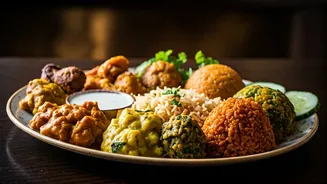
This trend empowers diners, turning a simple meal into an act of exploration. A multi-regional menu is an invitation to be adventurous. It allows a group of friends to travel from the coast of Goa with O Pedro's Portuguese-influenced dishes to the heart of Andhra Pradesh with a spicy Gongura chicken, all without leaving their table. [3, 18] It's a chance to understand the subtle and significant differences that geography, climate, and history have imprinted on a region's food. For instance, one can appreciate how coconut is used differently in a Keralan 'Shtew' versus a Goan 'Who-maan' curry. [4] This approach fosters a deeper appreciation for food, encouraging customers to ask questions, learn the stories behind the dishes, and develop a more sophisticated palate. [23] The rise of social media also plays a part, as food bloggers and curious diners share their discoveries, shining a spotlight on these once-hidden culinary gems. [20]
Is This a Permanent Shift?
While international cuisines will always have their place, the focus on regional Indian food seems to be more than a fleeting trend. [5, 22] It reflects a growing sense of pride in local identity and a collective curiosity about our own heritage. Diners are increasingly interested in seasonality, sustainability, and the stories behind their food. [20] Restaurants are responding by not only diversifying their menus but also highlighting the provenance of their ingredients, from freshly sourced seafood to native grains like millets. [20] This movement suggests a maturation of the Indian food scene, where authenticity and innovation coexist. As chefs continue to unearth and reinterpret the recipes of their grandmothers, the restaurant menu evolves from a simple list of options into a dynamic, ever-changing map of India's culinary soul.