


The Sun's 11-Year Rhythm
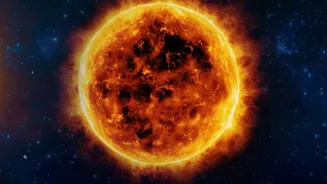
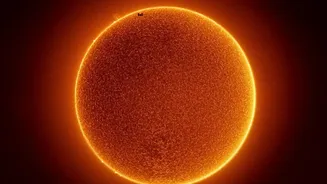
The Sun isn't a static ball of fire; it has a heartbeat of sorts, an activity cycle that lasts roughly 11 years. This cycle swings between two extremes: solar minimum and solar maximum. During solar minimum, the Sun is relatively quiet and calm. But during
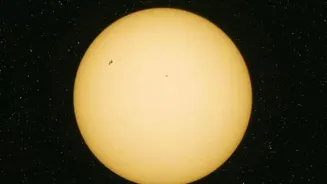
solar maximum, its surface comes alive with dark, cooler patches called sunspots. These aren't just cosmetic blemishes; sunspots are areas of intense and complex magnetic activity. The more sunspots there are, the more active the Sun is, and the more likely it is to unleash powerful bursts of energy. The current cycle, Solar Cycle 25, which began in late 2019, has been more active than initially predicted and is currently in its maximum phase.
When the Sun Sneezes: Flares and CMEs
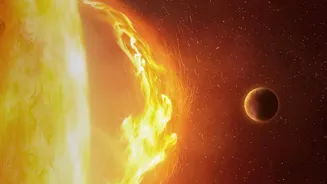
Sunspots are the launchpads for two major types of solar events: solar flares and coronal mass ejections (CMEs). A solar flare is an enormous explosion in the Sun's atmosphere, releasing a massive burst of radiation that travels at the speed of light. This radiation, primarily X-rays, can reach Earth in just over eight minutes. Sometimes, these flares are accompanied by CMEs, which are giant bubbles of plasma and magnetic fields that get hurled into space. CMEs are slower, taking anywhere from a few hours to several days to cross the 150 million kilometres to our planet. When this blast of charged particles and magnetic fields slams into Earth's protective magnetic shield, the magnetosphere, it triggers what we call a geomagnetic storm.
Earth's Atmosphere Under Siege
The primary way these solar events disrupt satellite signals is by messing with Earth's upper atmosphere, specifically a layer called the ionosphere. This layer, full of charged particles (ions and electrons), is crucial for radio communications. When radiation from a solar flare hits, it energizes the ionosphere, causing it to absorb high-frequency radio waves and leading to radio blackouts on the sunlit side of Earth. More significantly for satellite signals, the turbulence from a geomagnetic storm creates irregularities in the ionosphere's electron density. Imagine trying to look through a perfectly clear lens versus looking through warped, bubbly glass. That's what happens to satellite signals trying to pass through a disturbed ionosphere. This effect is called 'ionospheric scintillation'.
The Scintillation Effect: GPS Jitters and Signal Loss
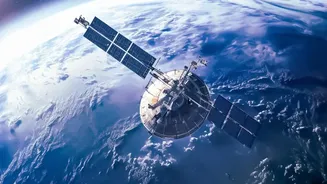
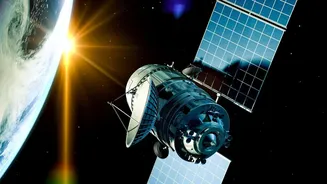
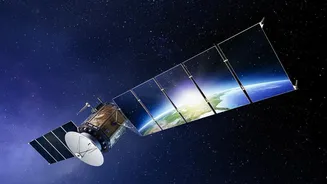
Ionospheric scintillation causes rapid, random fluctuations in the amplitude and phase of satellite signals. For Global Navigation Satellite Systems (GNSS) like GPS, this is a major problem. As the signal travels from the satellite to your receiver on the ground, it gets delayed and scattered by these atmospheric irregularities. This can degrade positioning accuracy from a few metres to a complete loss of signal, making navigation unreliable. For communication satellites, including those that provide DTH services, the signal can fade to the point where it drops below what a receiver can lock onto, causing a temporary outage. This interference is most pronounced for lower frequency signals.
Beyond Signals: Other Satellite Dangers
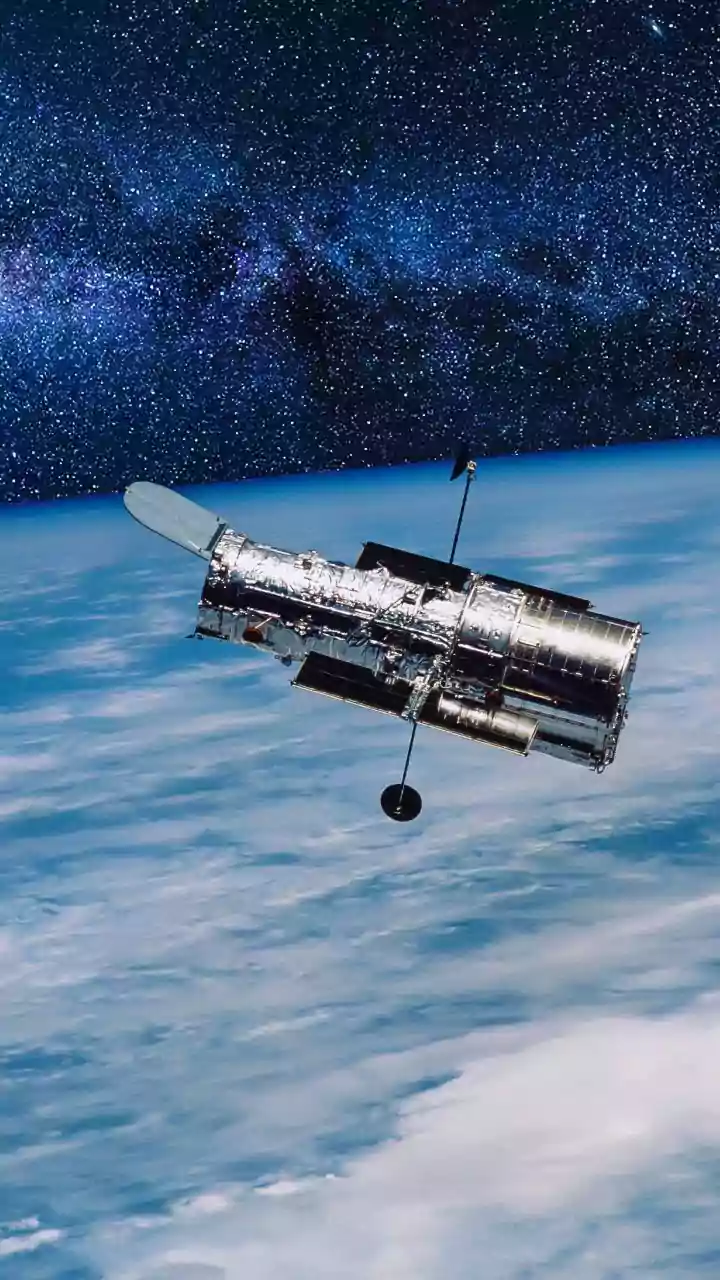
Signal disturbance isn't the only threat. Energetic particles from solar events can directly damage satellite electronics, causing 'single-event upsets' where a memory bit flips from a 0 to a 1, leading to phantom commands or system errors. In severe cases, this can lead to permanent damage or total satellite failure. Furthermore, solar storms heat and expand the upper atmosphere. This increases atmospheric drag on satellites in Low Earth Orbit (LEO), causing them to lose altitude faster than expected and shortening their operational lifespan. This happened to a batch of Starlink satellites in 2022, which were lost after a geomagnetic storm increased atmospheric drag.
Guarding Our Digital Sky
Fortunately, we aren't helpless. Space weather forecasting centres like NOAA's SWPC constantly monitor the Sun. Satellite operators can take protective measures based on these forecasts, such as temporarily putting satellites into a 'safe mode' to shut down non-essential, vulnerable systems during a major event. For hardware protection, many critical satellites are built with radiation-hardened components. Engineers can also use shielding with specific materials to protect sensitive electronics. For large constellations like Starlink, redundancy is a key strategy; the network can withstand the loss of a few satellites. These mitigation strategies are crucial for protecting the orbital infrastructure that powers our daily lives.