




A Paradigm Shift in Conservation
Kerala has initiated a landmark project that moves beyond traditional conservation, which often focuses on protecting a single charismatic species like the tiger or elephant. Instead, this new approach aims to assess the health of entire ecosystems. Dubbed
the 'Comprehensive Red List Assessment of Ecosystems in Keralam', the initiative is India's first state-level effort of its kind. Funded by the Kerala State Biodiversity Board (KSBB) and executed by the Kerala Forest Research Institute (KFRI), the project represents a significant shift from reactive measures to a proactive, evidence-based strategy for preserving the state's natural heritage. The goal is to create a safety net for all of Kerala's biodiversity by understanding which large-scale habitats are closest to collapse and why.
The Science of Identifying Risk
The core of this new strategy is the internationally recognised IUCN Red List of Ecosystems (RLE) framework. This rigorous scientific standard evaluates habitats against five key criteria to determine their risk of collapse, categorising them as Vulnerable, Endangered, or Critically Endangered. The assessment considers factors like the historical reduction in an ecosystem's area, the degradation of its biological functions, and disruptions to its natural processes. For the first time, this will be applied systematically across all 14 districts of Kerala, covering everything from high-altitude shola-grassland mosaics in the Western Ghats to vital coastal mangroves and freshwater swamps. This data-intensive approach uses tools like satellite imagery, geospatial mapping, and historical analysis to create a detailed picture of ecological health.
Which Ecosystems are in Focus?
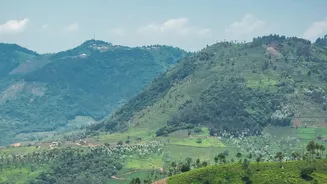
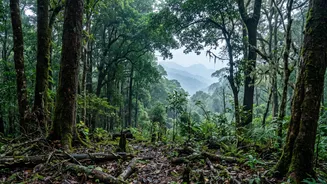
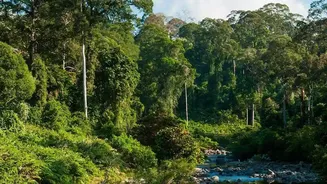
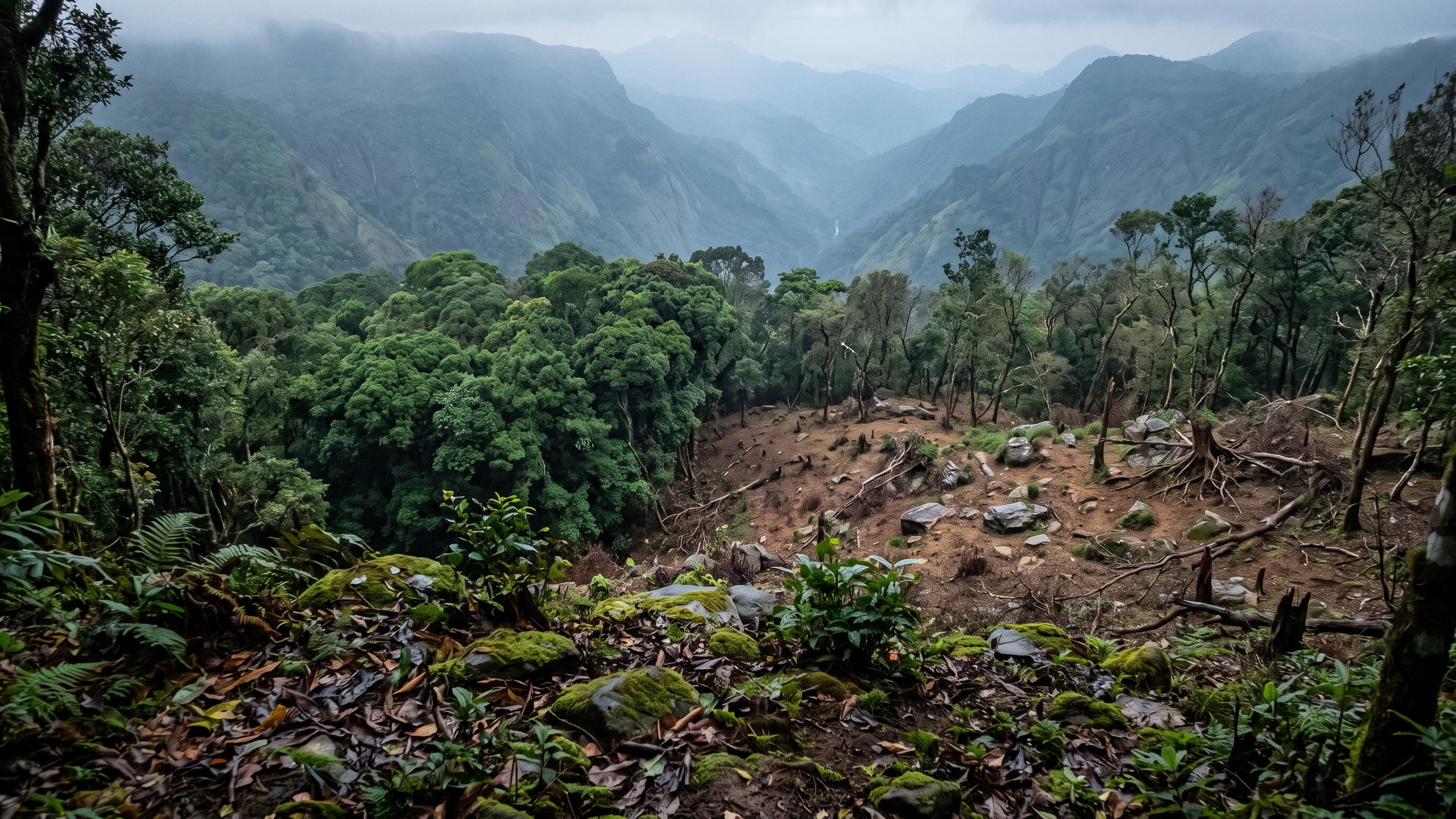
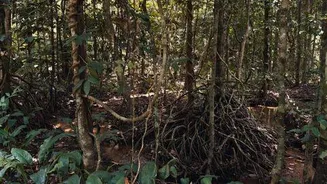
The project is casting a wide net, but some ecosystems are of immediate concern due to severe degradation. Tropical riparian evergreen forests, which grow along riverbanks in the southern Western Ghats, have reportedly lost an estimated 83% of their extent over the last century, making them a high-priority target. Other critical habitats include the unique Myristica freshwater swamps, known for their distinct biodiversity, and the shola-grassland complexes that are characteristic of the high mountains. Coastal ecosystems, including mangroves that act as natural barriers against storms and erosion, are also under evaluation. By mapping these areas, the state can pinpoint where intervention is needed most urgently to prevent irreversible damage. Some sanctuaries, such as Chinnar and Kurinjimala, have already been identified in past studies as showing high levels of vulnerability.
From Data to On-the-Ground Action
This assessment is not just an academic exercise; it is designed to produce actionable tools for conservation and governance. The key outcomes will include an official Ecosystem Risk Register, an 'Ecosystem Typology Atlas' that maps and classifies different habitats, and restoration priority maps highlighting areas that need immediate help. This crucial information will be integrated into state planning portals, empowering local bodies like panchayats and Biodiversity Management Committees (BMCs) to make informed decisions. This decentralised approach aims to ensure that development projects, from infrastructure to agriculture, can proceed sustainably without sacrificing ecological integrity. It also provides a scientific basis for nature-based solutions to climate change, such as reinforcing natural barriers that can mitigate floods and landslides.
Addressing Deeper Challenges
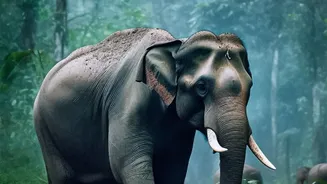
While this scientific framework offers a powerful new tool, it operates within a complex landscape of challenges. Human-wildlife conflict remains a major issue in Kerala, driven by habitat fragmentation and the loss of food and water sources within forests. The state government is already investing significantly in mitigation measures like solar fencing and habitat improvement. Furthermore, there are ongoing debates about balancing development needs with environmental protection, particularly around ecologically sensitive areas (ESAs). The success of this new conservation framework will depend not only on robust science but also on effective governance, community participation, and finding a sustainable path that protects both livelihoods and the priceless ecosystems that define Kerala.