




A Mild Source of Key Nutrients
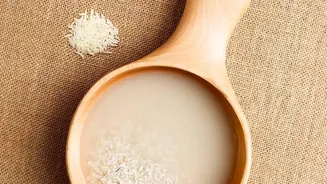
Rice water is not a replacement for a balanced fertiliser, but it does contain small amounts of essential nutrients that can benefit your plants. The water left after rinsing or boiling rice is rich in starch and carries trace amounts of nitrogen (N),
phosphorus (P), and potassium (K). These three macronutrients are vital for plant health: nitrogen supports leafy growth, phosphorus aids in root and flower development, and potassium is crucial for overall plant function. It also contains B vitamins and other minerals like magnesium and zinc, offering a gentle, well-rounded supplement that supports steady growth without the risk of chemical burns associated with strong synthetic fertilisers.
Feeds Beneficial Soil Microbes
One of the most significant benefits of rice water happens at the microbial level. The starch in the water acts as a food source for beneficial bacteria and fungi, such as lactobacilli and mycorrhizae, that live in the potting soil. These microorganisms are essential for a healthy soil ecosystem. They help break down organic matter into simpler forms that the plant's roots can easily absorb. By feeding this invisible army, you improve the soil's structure and its ability to make nutrients available to the plant, leading to more efficient uptake and a stronger, healthier plant overall.
Strengthens Roots and Overall Growth
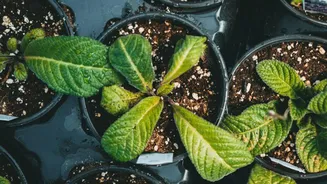
The combination of trace nutrients and enhanced microbial activity works together to create a robust root system. The B vitamins found in rice water, particularly thiamine (B1), are known to encourage root development. A healthier, more extensive root system allows the plant to absorb water and nutrients more effectively, leading to visibly stronger and more vibrant growth above the soil. Some studies have shown that plants treated with rice water, particularly fermented versions, can show significantly more growth compared to those given only tap water.
Acts as a Gentle, Natural Pest Deterrent
While not a powerful insecticide, fermented rice water can help in managing pests. The fermentation process boosts certain beneficial microbes, including some that are known to act as biological control agents against common pests like aphids and thrips. Some gardeners report that the application of rice water helps deter unwanted insects. This benefit is considered indirect; it stems from creating a healthier soil environment that is less hospitable to pests, rather than acting as a direct poison. It’s a mild, organic approach to pest management that supports the plant's natural defences.
Eco-Friendly and Completely Free
In a world increasingly focused on sustainability, using rice water is a perfect example of repurposing kitchen waste. For households where rice is a staple food, there is a constant supply of this nutrient-rich liquid that would otherwise be discarded. This practice saves water and reduces waste. It also saves you money on commercial plant supplements. Instead of buying another plastic bottle of fertiliser, you are creating a circular system within your own home, turning a byproduct of your dinner into food for your green companions. It's a simple, zero-cost habit that benefits your plants and the planet.