






The All-or-Nothing Trap
For many professionals, fitness feels like an all-or-nothing game. If you can't commit to a 60-minute session, why bother at all? This mindset is a common barrier, leading many to skip exercise entirely when their calendar fills up. The pressure to maintain
a lengthy, elaborate routine often backfires, creating guilt and inconsistency. The reality of modern work life—long hours, mental fatigue, and competing priorities—demands a more flexible and realistic approach to physical well-being. The traditional gym model simply doesn't fit everyone's life, and it's time to stop feeling like a failure for not conforming to it.
Enter 'Exercise Snacking'
A new trend, often called "exercise snacking" or micro-workouts, reframes the entire debate. The concept is simple: break down your physical activity into small, manageable chunks of 10 to 15 minutes, spread throughout the day. Instead of one long, intimidating workout, you might perform a short strength routine in the morning, take a brisk walk at lunch, and do a few mobility drills in the afternoon. Research shows that these brief, accumulated bouts of exercise can be just as effective, if not more so, for improving health markers like blood pressure and cardiorespiratory fitness. This approach lowers the barrier to entry, making it easier to start and, more importantly, to stick with.
The Science of Short Workouts
Skeptics might wonder if a 10-minute workout can truly be effective for building strength. The science says yes. The key lies in intensity and consistency. Short, vigorous strength sessions can stimulate muscle protein synthesis, improve insulin sensitivity, and boost your metabolism. One of the primary benefits comes from post-exercise oxygen consumption (EPOC), where your body continues to burn calories after the workout to recover. Studies have shown that even short, consistent resistance training can lead to significant gains in muscular strength and endurance. For busy people, the benefits extend beyond the physical; these mini-sessions can also improve mood, reduce stress, and enhance mental clarity, providing a much-needed reset during a hectic day.
Focus on Compound Movements
To get the most out of a short session, efficiency is everything. This is where compound exercises shine. These are multi-joint movements that work several muscle groups at once, giving you the biggest bang for your buck. Think squats, deadlifts, push-ups, overhead presses, and rows. An isolation exercise like a bicep curl has its place, but when time is limited, focusing on moves that recruit the entire body is far more effective. A 10-minute block could consist of two or three compound exercises, performed back-to-back with minimal rest. This structure not only builds strength but also keeps your heart rate elevated, providing cardiovascular benefits simultaneously.
Sample 10-Minute Strength Blocks
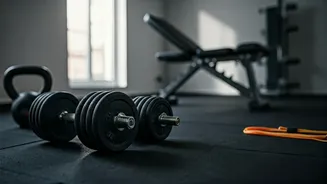
Ready to try it? Here are two simple, equipment-friendly routines. Perform each for 10 minutes, completing as many rounds as possible with good form. Bodyweight Block: 1. Bodyweight Squats (10-15 reps): Keep your chest up and lower your hips as if sitting in a chair. 2. Push-Ups (5-10 reps): Perform on your knees or toes, keeping your core engaged. 3. Alternating Lunges (10 reps per leg): Step forward and lower your hips until both knees are bent at a 90-degree angle. Dumbbell Block (one pair of dumbbells): 1. Goblet Squats (10-12 reps): Hold one dumbbell vertically against your chest. 2. Bent-Over Rows (10-12 reps): Hinge at your hips with a flat back and pull the dumbbells toward your chest. 3. Dumbbell Shoulder Press (8-10 reps): Press the dumbbells from your shoulders to overhead.
Making It a Habit
The greatest advantage of shorter strength blocks is their sustainability. To make them a permanent part of your routine, try "habit stacking." Attach your 10-minute workout to an existing daily habit, like right before your morning shower or immediately after you sign off from work. Scheduling it in your calendar as a non-negotiable appointment can also work wonders. The goal is to remove friction and make movement an automatic part of your day. Remember that any movement is better than none. Celebrate the consistency you build, and don't worry about perfection. Over time, these small, consistent efforts compound into significant, lasting results.