



The Problem with Modern Iced Tea
For years, the ready-to-drink iced tea found on store shelves has been a convenient but compromised choice. While marketed as a healthier option than fizzy sodas, the reality is often different. A typical bottle can contain a staggering amount of sugar,
sometimes as much as a can of cola, along with a list of artificial flavours and preservatives. This reliance on processed sweeteners creates a drink that delivers a brief spike of energy followed by an inevitable crash, offering little in the way of genuine refreshment or wellness. It's a far cry from the original, health-giving properties of tea.
A Return to Our Roots
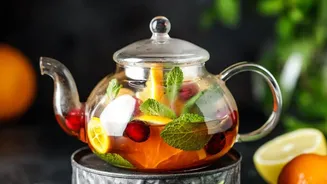
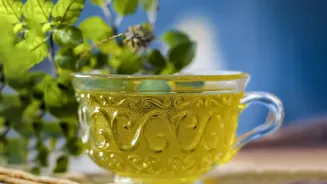
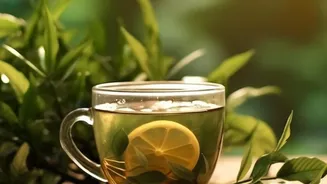
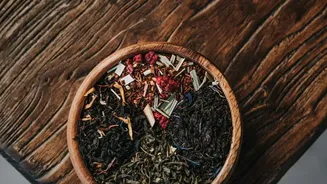
In response, a growing number of cafes, brands, and homebrewers across India are looking inwards, rediscovering the potential of indigenous botanicals. This isn't just about avoiding sugar; it's a movement rooted in flavour, wellness, and cultural heritage. By using locally sourced flowers, herbs, fruits, and spices, this new wave of cold teas offers complex, nuanced tastes that simply can't be replicated by artificial syrups. It’s a modern take on Ayurvedic wisdom, which has long championed cooling herbs to balance the body, especially during hot weather.
Spotlight: The Vibrant Hibiscus
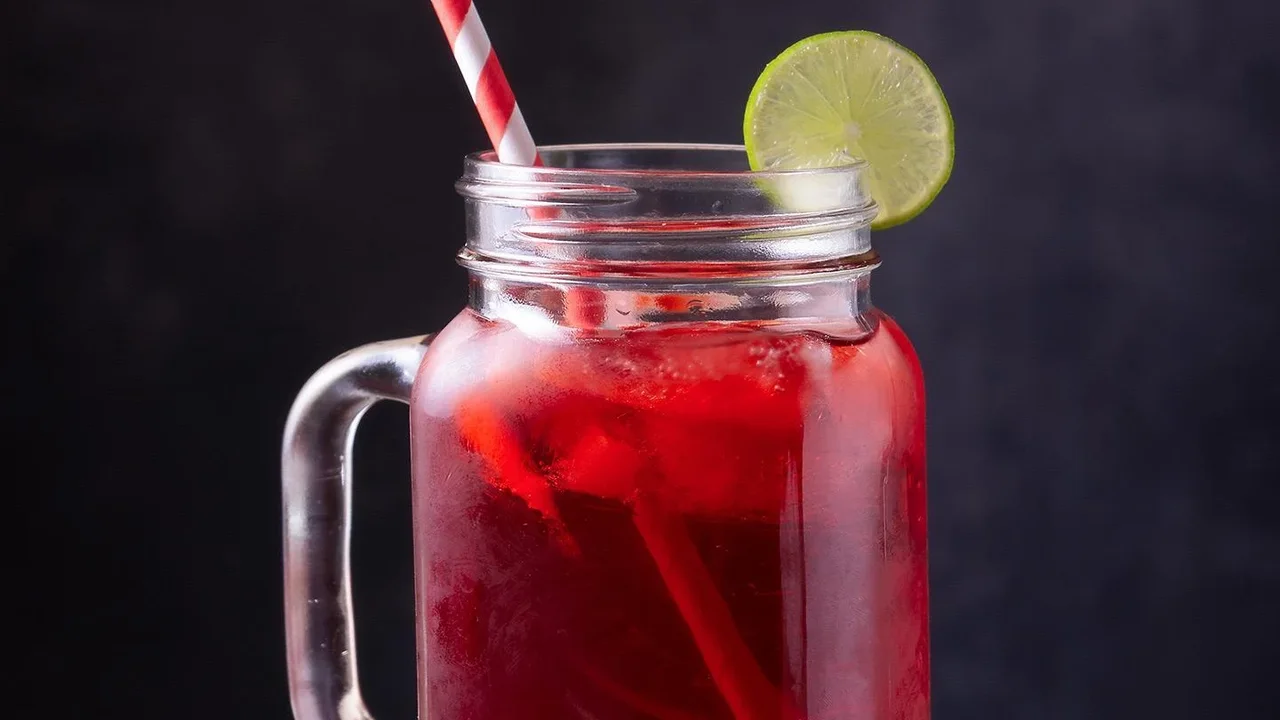
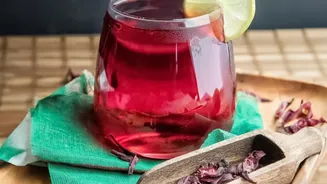
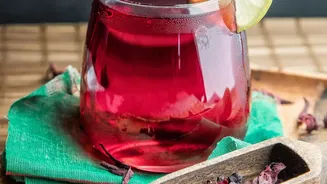
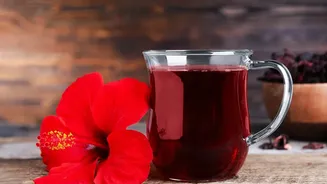
One of the stars of this botanical movement is the humble hibiscus flower, or Gudhal. When steeped, its dried calyces release a stunning ruby-red hue and a distinctly tart, cranberry-like flavour. This natural tanginess provides a refreshing quality that reduces the need for added sugar. Traditionally used in Ayurveda to cool the body and support the circulatory system, hibiscus is also packed with antioxidants. As a cold brew, it’s both visually beautiful and deeply refreshing.
Spotlight: The Magical Butterfly Pea Flower
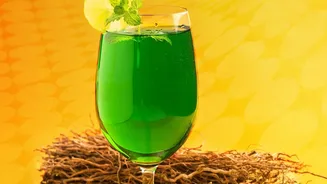
If there's one drink that captures the Instagram-worthy appeal of this trend, it's tea made from the Butterfly Pea Flower (Aparajita). This blossom brews into a brilliant, almost surreal, blue liquid. The magic happens when you add a splash of lemon or lime juice, transforming the colour to a vibrant violet or pink. Beyond its visual drama, it has a mild, earthy taste and is rich in antioxidants. In Ayurvedic traditions, it has been used to reduce stress and boost brain function, making it a calming and beautiful choice for an evening cooler.
Spotlight: The Sacred Tulsi
No exploration of Indian botanicals would be complete without Tulsi, or Holy Basil. A fixture in countless Indian homes for its spiritual and medicinal properties, Tulsi makes for an exceptionally refreshing cold tea. Its flavour profile—slightly peppery with hints of mint and clove—is invigorating. As an adaptogen, it is traditionally believed to help the body cope with stress. A cold brew of Tulsi offers a gentle, clarifying drink that cools the body and calms the mind, making it a perfect antidote to a hot, frazzling day.
Beyond Flowers: Fruits and Spices
The botanical palette extends far beyond flowers. Seasonal Indian fruits are also finding their way into modern cold brews. The mucilaginous pulp of Bael (Wood Apple) has been used for centuries to create a cooling sherbet that aids digestion. Jamun (Java Plum) offers a unique sweet, sour, and slightly astringent taste, along with a gorgeous purple colour. Meanwhile, coastal favourite Kokum provides a tangy, refreshing quality known to improve digestion and protect the liver. These fruits, combined with spices like cardamom, fennel, and mint, create drinks with layers of flavour and functional benefits.