




Hard-Shell Luggage: Your Armour Against the Rain
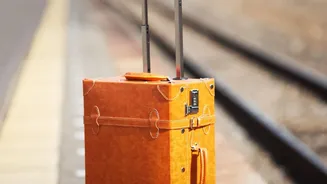
When it comes to sheer water protection, hard-shell luggage is a clear winner. Materials like polycarbonate or ABS are naturally water-repellent, causing rain to simply bead up and roll off. This is a huge advantage when your bag is left on a wet platform
or exposed to a sudden downpour during loading. Unlike fabric bags, hard shells don't absorb moisture, which prevents that damp, musty smell from developing. While no bag is completely waterproof, especially around the zippers, a hard-shell case provides the best initial barrier against the elements, making it an excellent choice for checked baggage or longer train journeys where your luggage might face rougher handling.
The Flexible Friend: Water-Resistant Soft-Shell Bags
Soft-shell luggage, typically made from high-denier nylon or polyester, offers its own set of advantages. These bags are generally lighter and more flexible, making it easier to squeeze them into tight overhead compartments or under a train berth. Many come with handy external pockets, giving you quick access to essentials like tickets, a book, or a power bank without having to open your entire suitcase. However, not all soft-shell bags are created equal for the monsoon. Look for those treated with a durable water repellent (DWR) coating and consider that this coating can wear off over time. For added security, a bag with an included rain cover is a fantastic feature.
The Backpack Advantage for Maximum Mobility
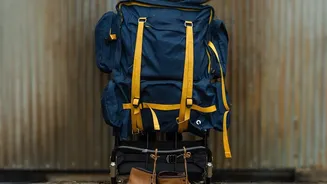
For navigating crowded stations, uneven platforms, and the general rush of train travel, nothing beats the hands-free convenience of a backpack. It allows you to keep your balance and move more freely. When choosing a backpack for monsoon travel, prioritise one made from water-resistant fabric. An integrated rain cover, often tucked into a small pocket at the base, is an essential feature for heavy downpours. Also, look for ergonomic features like padded straps and a hip belt, which help distribute weight and make it more comfortable to carry if you have to walk a significant distance to or from the station.
Beyond the Bag: The Power of Internal Organisation
Your luggage is only the first layer of protection. True peace of mind comes from smart internal organisation. This is where packing cubes, dry bags, and simple zip-lock pouches become your best friends. Use waterproof pouches specifically for your electronics, passport, and tickets. This 'double-bagging' strategy ensures that even if your main luggage gets damp, your most valuable and sensitive items remain completely dry. It's also wise to pack a separate bag or cube for any wet or dirty clothes to keep them from soiling the rest of your belongings.
It's All in the Details: Zippers, Wheels, and Materials
When choosing your luggage, pay attention to the smaller components. Look for bags with water-resistant zippers or storm flaps that cover the zip line, as these are common weak points where water can seep in. If you opt for a trolley, ensure it has sturdy, durable wheels that can handle rough and uneven surfaces, a common reality at many railway stations. Finally, understand the difference between 'water-resistant' and 'waterproof'. Water-resistant bags can handle light showers, while waterproof materials are designed to withstand heavy rain or even brief submersion. For most train travel scenarios, a high-quality water-resistant bag with smart internal packing is more than sufficient.