



The Science of Sunshine
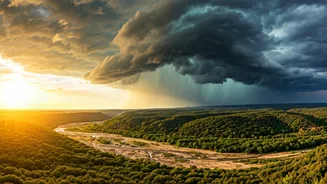
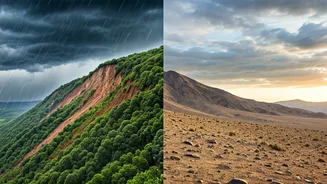
A rain-shadow region is a dry area on the leeward side of a mountain range, away from the prevailing winds. As moisture-laden monsoon winds hit a mountain barrier, like the Himalayas or the Western Ghats, they are forced to rise. This ascent cools the air,
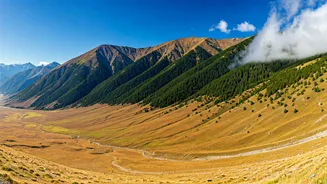
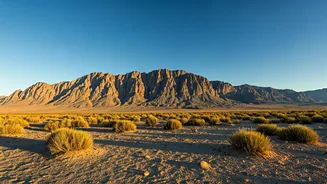
causing it to release its moisture as heavy rainfall on the windward side. By the time the air crosses over the mountain peaks and descends on the other side, it has lost most of its moisture. This creates a 'shadow' of dryness, resulting in arid or semi-arid landscapes that receive very little rainfall, even in the peak of monsoon.
The High-Altitude Desert: Ladakh
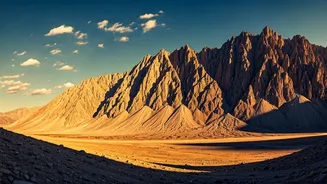
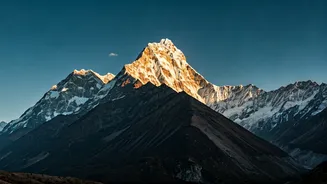
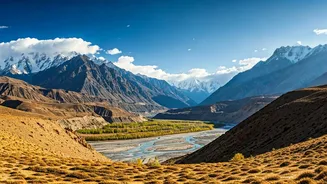
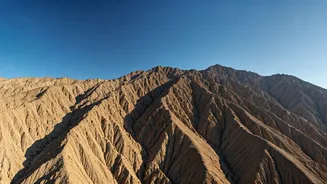
Ladakh is the ultimate rain-shadow destination. Tucked behind the mighty Himalayas, it is shielded from the full force of the monsoon clouds that drench the rest of the subcontinent. While other hill stations face landslides and downpours, Ladakh in July and August enjoys pleasant daytime temperatures, often between 20-30°C, and largely clear skies. This makes it the ideal time for exploring its starkly beautiful landscapes, from the azure waters of Pangong Lake to the dramatic dunes of Nubra Valley. Roads are generally open, monasteries are less crowded, and the landscape, kissed by occasional light drizzles, reveals subtle patches of green against the barren mountains.
The Middle Land: Spiti Valley
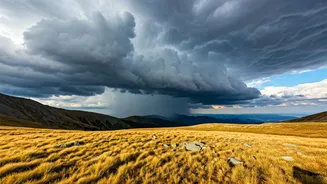
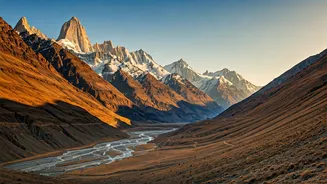
Like its northern neighbour, Spiti Valley in Himachal Pradesh is a cold desert that lies in a Himalayan rain shadow. The valley itself remains overwhelmingly dry and sunny during the monsoon months, receiving very little rainfall. The journey to Spiti, however, is part of the adventure, as the approach roads from Shimla or Manali can face challenges from the rains that fall on the windward side. But for those who make the journey, the rewards are immense. The valley is a photographer's paradise, with dramatic cloud-play over stark mountains, vibrant green patches in riverbeds, and ancient monasteries like Key and Tabo that offer a peaceful retreat from the fewer tourist crowds.
The Deccan’s Dry Side: Eastern Ghats
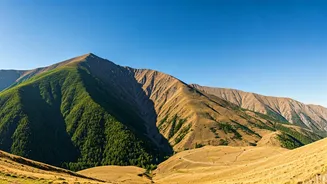
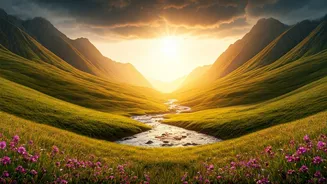
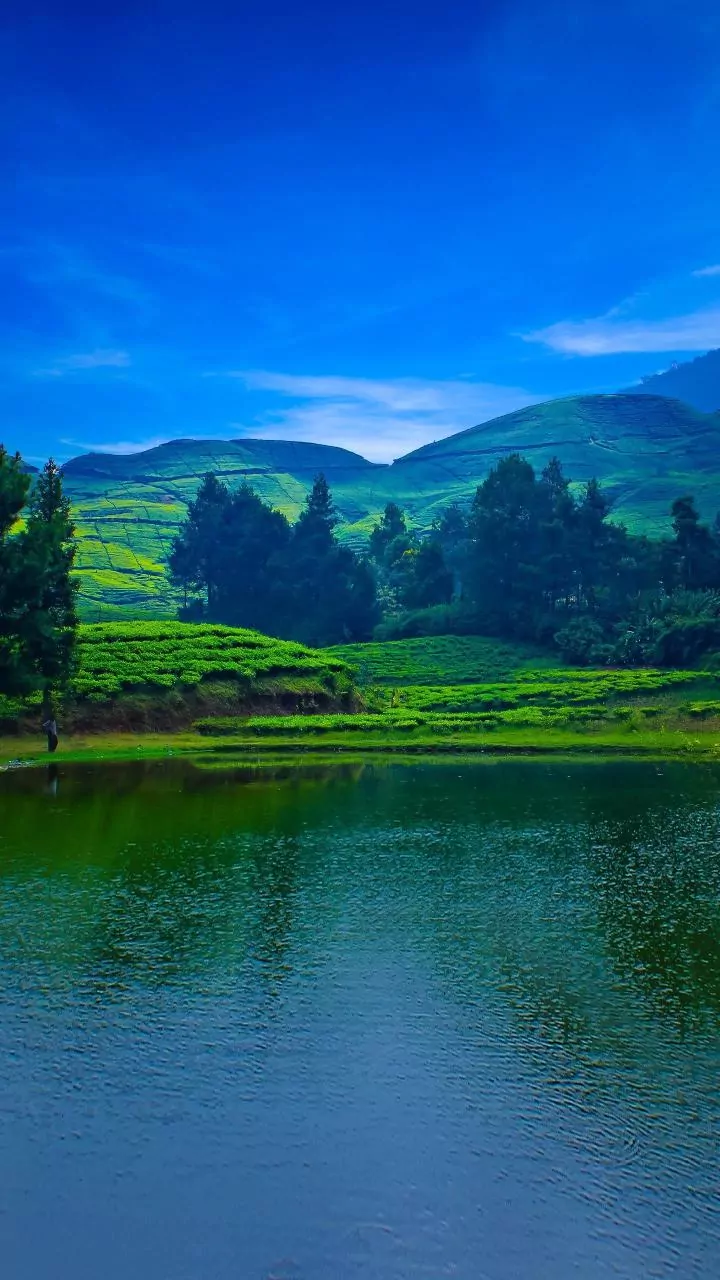
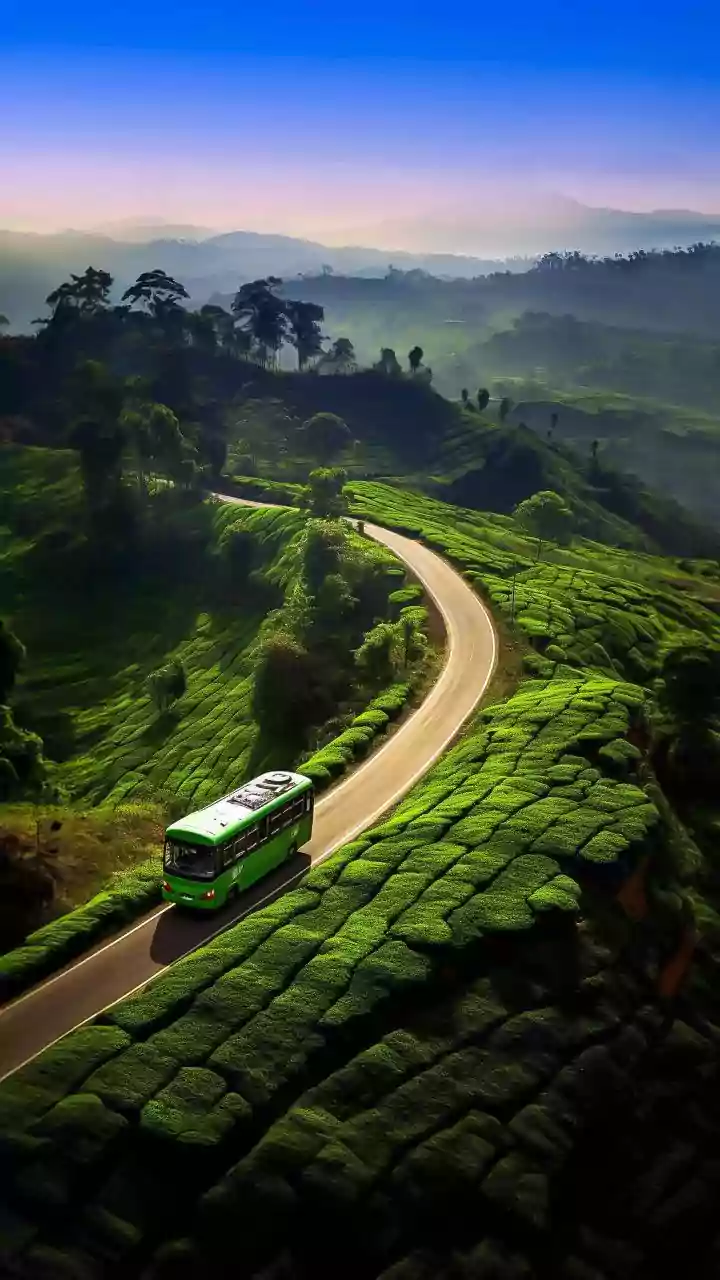
You don't have to go to the Himalayas to find a monsoon escape. The eastern slopes of the Western Ghats on the Deccan Plateau offer a milder, more accessible rain-shadow experience. As the southwest monsoon dumps heavy rain on the western coast and slopes, the eastern side in states like Tamil Nadu and parts of Karnataka remains significantly drier. Cities like Coimbatore and the surrounding regions benefit from this effect. While not completely arid, these areas experience much less rainfall, making it pleasant for travel. The weather is often overcast but comfortable, perfect for exploring the lush scenery of nearby hills that have been nourished by just enough rain without the constant downpour. It's a different kind of monsoon experience—green, fresh, but without being drenched.