





Turmeric: The Golden Immunity Booster
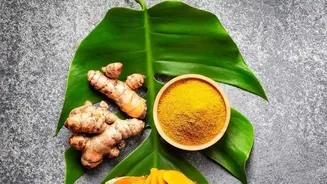
Turmeric, or haldi, is a cornerstone of Indian cooking and traditional medicine for good reason. Its active compound, curcumin, is a powerful antioxidant with anti-inflammatory properties that help bolster your immune system against seasonal coughs and colds.
A pinch of turmeric in your daily dal, vegetable stir-fries, or a warm glass of milk before bed can help your immune cells combat harmful pathogens. Ayurvedic wisdom suggests that this golden spice is inherently warming, making it perfect for the damp chill of the monsoon. For maximum benefit, pair it with a pinch of black pepper, which enhances curcumin absorption.
Ginger: The Warming Digestive Aid
A staple in every Indian kitchen, ginger (adrak) is a classic warming spice. It contains gingerol, a compound known for its potent anti-inflammatory and antioxidant effects. During the monsoon, when digestion can become sluggish, ginger works wonders. It helps stimulate digestive juices, soothe an upset stomach, and relieve bloating. A hot cup of ginger tea is the quintessential monsoon beverage, perfect for soothing a sore throat and clearing congestion. You can also add freshly grated ginger to soups, curries, and lentil dishes to infuse them with warmth and its distinct, pungent flavour.
Garlic: Nature's Antibiotic
Known for its strong flavour and aroma, garlic (lehsun) is a powerhouse of immunity-boosting compounds. It's valued as a natural antibacterial and antifungal agent, making it particularly useful during a season when infections are rampant. Regular consumption of garlic can help fortify your body's defences against common monsoon ailments like the flu and foodborne infections. It can be easily incorporated into almost any savoury dish. Add it to tadkas for dal, sauté it with vegetables, or use it to make flavourful chutneys that accompany monsoon snacks.
Seasonal Gourds: Light and Nourishing
The monsoon brings an abundance of gourds like bottle gourd (lauki), bitter gourd (karela), and ridge gourd (turai). These vegetables are light, easy to digest, and packed with essential nutrients and fibre, which is ideal when the digestive system is considered weaker. Bitter gourd, in particular, is celebrated in Ayurveda for its ability to boost immunity and manage blood sugar levels. While their flavours might be an acquired taste for some, preparing them in simple, home-cooked styles like a light subzi or adding them to dal makes for a perfect, nourishing monsoon meal.
Monsoon Fruits: Jamun and Pomegranate
While it's wise to be cautious with raw foods, certain seasonal fruits are a must-have. Jamun (Indian plum) is a low-calorie monsoon specialty rich in iron, potassium, and vitamins. It's known to help with stomach problems and is beneficial for controlling blood sugar levels. Pomegranates are another great choice, packed with Vitamin C and powerful antioxidants that help protect your body's cells from damage. These fruits are not only nutritious but also provide natural hydration during the humid weather.
Lentils and Pulses: The Ultimate Comfort Food
A warm bowl of dal or a simple khichdi is the very definition of comfort food during the rains. Lentils and pulses (dals) are an excellent source of protein, fibre, and essential minerals. Moong dal is particularly recommended during the monsoon because it is light and easy to digest. Khichdi, a one-pot meal made from rice and lentils, is considered an ideal monsoon dish in Ayurveda. Seasoned with warming spices like cumin, ginger, and turmeric, it becomes a complete, balanced, and deeply satisfying meal that supports both digestion and immunity.