




What Exactly Is Changing?
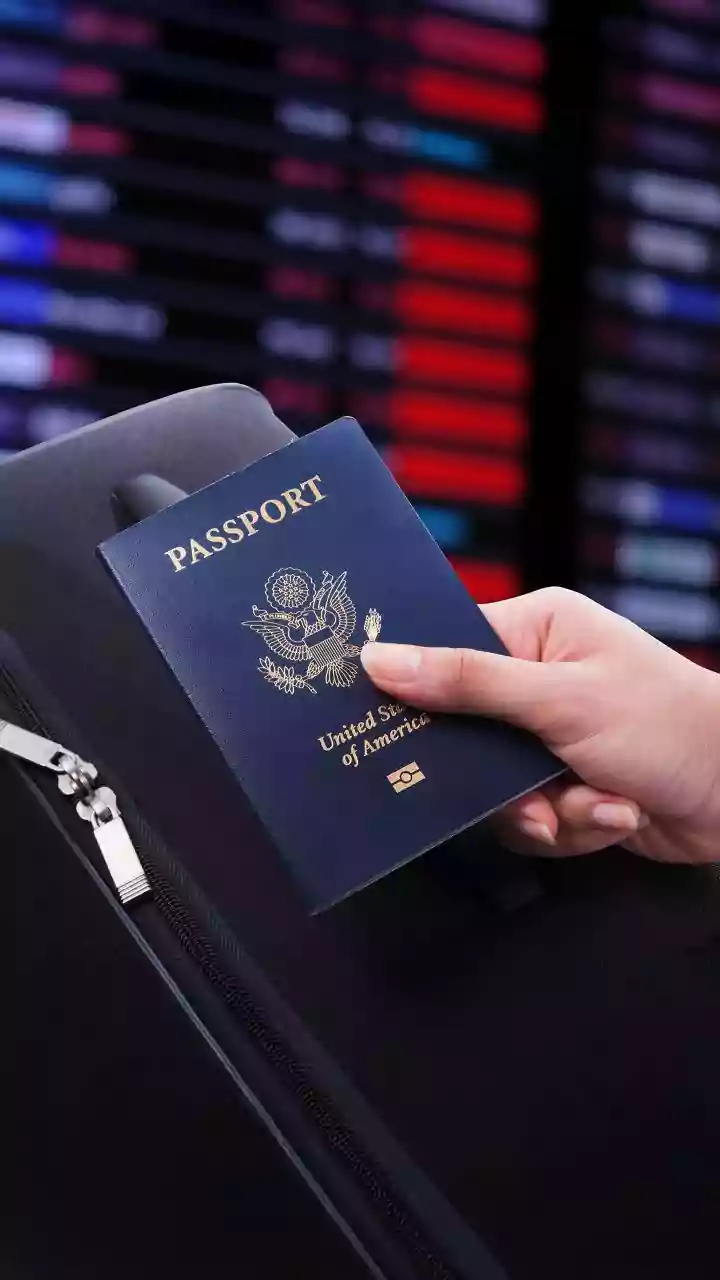
The Ministry of Home Affairs is leading a comprehensive simplification of India's entire visa framework. The headline change is the reduction of main visa categories from 13 down to nine, and a drastic cut in sub-categories from 49 to just 23. This move
is designed to eliminate confusion and overlap, making it clearer for applicants to choose the right visa. Furthermore, the application forms themselves are being shortened by a massive 65-70%, a welcome change for anyone who has navigated the paperwork in the past. The government has stated that this reform follows a study of visa systems in developed countries and is aimed at making the Indian system more coherent and responsive.
Goodbye Tourist Visa, Hello Visitor Visa
One of the most significant updates is the renaming and reimagining of the 'Tourist Visa' into a more flexible 'Visitor Visa'. This new category acknowledges that modern travel often blends leisure with other activities. The Visitor Visa will be split into two types. The V-1 visa is for short-term stays of up to 30 days with multiple entries and will cover not just tourism but also short business meetings, medical consultations, wellness retreats, and even short courses in arts or languages. The V-2 visa is for longer-term visits, offering validity of one, five, or ten years depending on eligibility, and covers all the activities of the V-1 visa plus specialised pursuits like mountaineering.
Streamlining for Business, Study, and Health
The reforms extend well beyond tourism. The Business Visa is being reorganised into two distinct categories: B-1 for long-term activities like establishing a venture, and B-2 for short-term, contract-based work, conferences, or film shoots. Similarly, Student Visas are being consolidated into S-1 for formal education (school to postgraduate) and S-2 for research, internships, and exchange programmes. Medical travel also gets a boost, with clearer categories for conventional (M-1) and traditional AYUSH (M-3) treatments, along with visas for attendants. Medical visas will generally be valid for one year with multiple entries, providing more certainty for patients requiring extended care.
Why Now? The Drive for a Modern System
This visa overhaul is part of a multi-year effort to modernize India's entry requirements. An initial rationalisation took place in October 2025, which saw main categories reduced from 22 to 13. This new phase, approved in August 2026, is a much deeper structural change. The stated goal is to boost legitimate travel, attract more foreign tourists, encourage international students and patients, and facilitate greater economic engagement. By simplifying cumbersome procedures, which have been a long-standing concern for tour operators, India aims to become a more accessible and attractive destination for everything from holidays to investment.
The Road to Implementation
The Ministry of Home Affairs is currently in the process of updating its IT infrastructure to support the new visa framework. The government has set a target to begin issuing visas under this new, simplified system by the end of 2026. Until the new system is officially launched, all current visa application procedures remain in effect. Prospective travellers should continue to use the existing official portals for applications, including the e-Visa facility which is available to nationals of 172 countries. The rollout will be a significant technological and administrative undertaking, watched closely by the global travel industry.