





Cosmic Crumbs from a Famous Comet
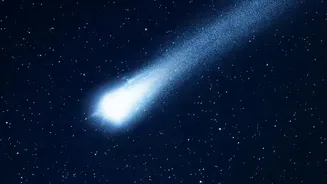
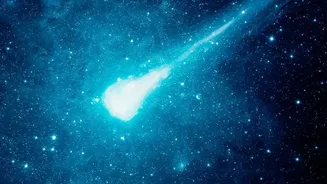
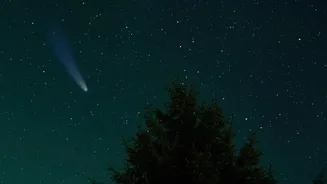
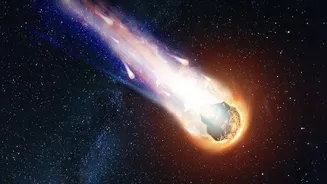
The story of the Orionids begins with one of the most famous objects in our solar system: Halley's Comet. This legendary comet swings past the Sun roughly every 76 years, leaving a trail of ice and dusty debris in its wake. Each year in October, Earth's
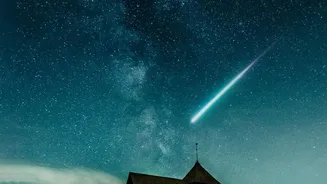
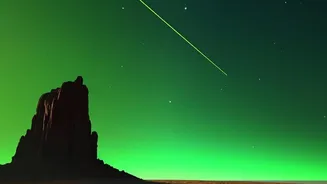
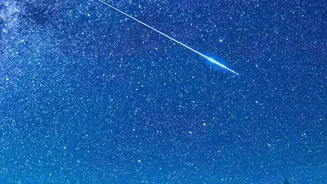
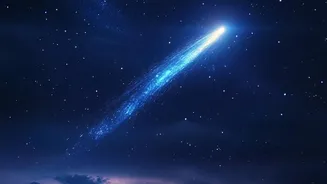
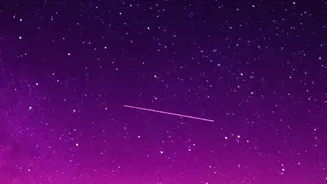
orbit takes it directly through this ancient stream of particles. When these tiny pieces of comet dust, many no bigger than a grain of sand, slam into our atmosphere at incredible speeds—about 66 kilometres per second—they burn up, creating the fiery streaks of light we call meteors. So, when you see an Orionid meteor, you are witnessing a tiny piece of Halley's Comet completing its journey in a flash of brilliance.
The Illusion of the Radiant
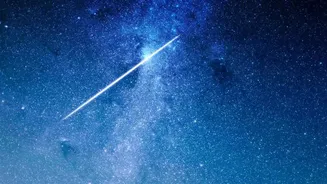
Meteor showers are named after the constellation from which they appear to originate, a point in the sky known as the radiant. For the Orionids, this point is near the constellation Orion the Hunter, which is how they get their name. However, this is purely a matter of perspective, similar to how parallel railway tracks seem to converge at a single point in the distance. The meteors themselves are travelling in parallel paths through space, but from our viewpoint on Earth, they seem to fan out from the radiant in Orion. This is a crucial point for sky-watchers: you do not need to look directly at Orion to see the show. In fact, meteors can appear in any part of the sky, and those seen further from the radiant often have longer, more dramatic trails.
A Month-Long Spectacle
The phrase "entire October sky" also refers to the shower's impressive duration. Earth doesn't just zip through Halley's debris trail in one night. The full active period for the Orionids stretches from early October all the way to early November. While the activity builds to a peak, you can still spot Orionid meteors on the nights leading up to and following this main event. This long window means you have multiple opportunities to catch a shooting star. The shower builds in intensity, hits its maximum, and then fades, giving stargazers plenty of chances to look up.
Best Viewing Conditions for 2026
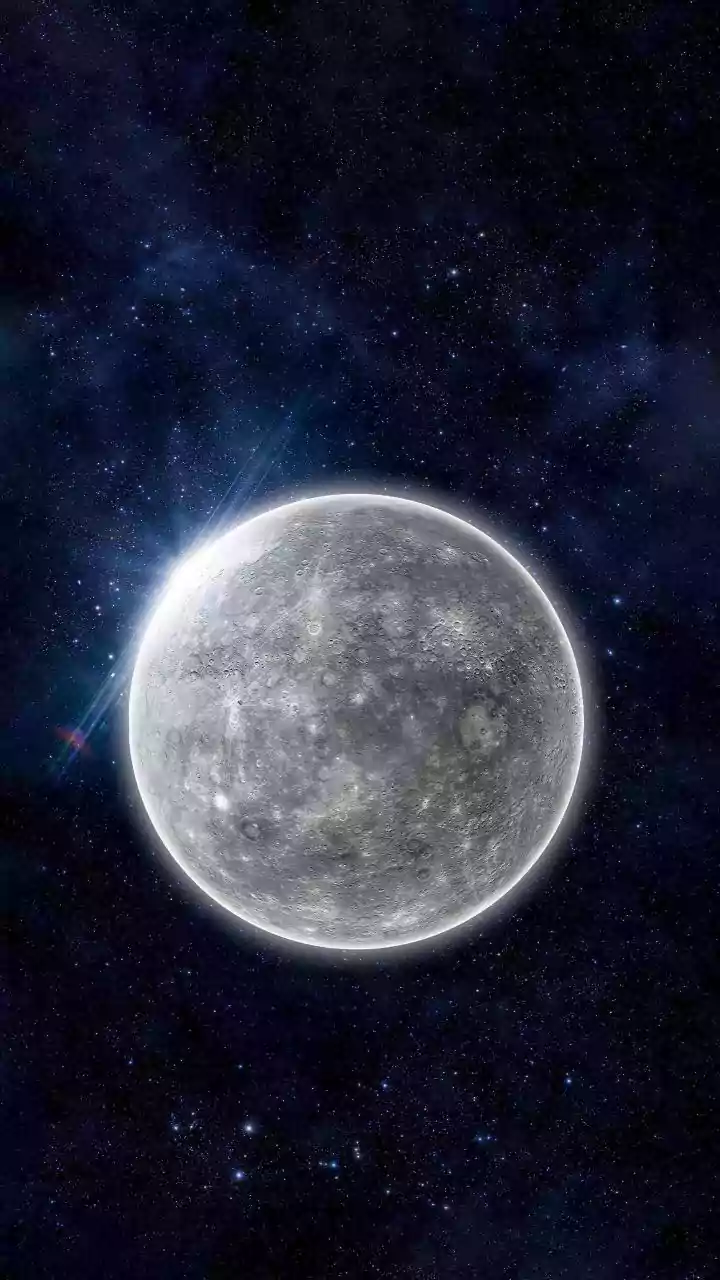
For those looking to catch the show in 2026, the peak is predicted for the night of October 21-22. Under ideal conditions with no moonlight, you might see between 15 and 25 meteors per hour. However, in 2026, there will be a bright waxing gibbous moon, which can wash out fainter meteors for much of the night. Your best bet is to plan your viewing for the dark hours just before dawn, after the moon has set. Find a location far from city lights, give your eyes about 20-30 minutes to adjust to the darkness, and lie back comfortably. No special equipment is needed; the best tool is simply a wide view of the sky and a little patience.
What Makes the Orionids Special
The Orionids are known for being one of the most beautiful showers of the year, not just for their famous parent comet, but for the characteristics of the meteors themselves. Because they hit the atmosphere at such high speeds, they are exceptionally bright and fast. This speed means they often leave behind glowing trails, called persistent trains, which are incandescent bits of debris that can linger in the sky for several seconds after the meteor has vanished. Occasionally, an Orionid can be exceptionally bright, creating a dramatic fireball that lights up the entire sky for a moment. It's this combination of speed, brightness, and the potential for leaving a lasting impression that makes the Orionids a favourite among sky-watchers.