



From Packets to Plates
The journey of an Indian snack brand abroad once ended on a supermarket shelf, a colourful beacon in the 'ethnic foods' aisle. Today, a new chapter is being written in bustling city centres like London. Legacy brands, long synonymous with packaged namkeen
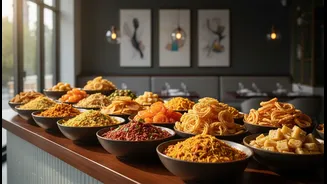
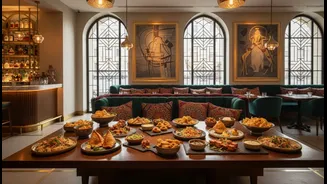
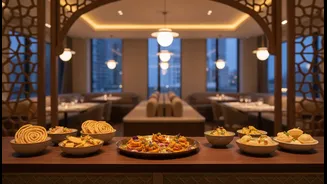
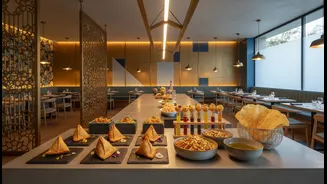
and sweets, are making a bold strategic pivot: they are opening their own full-service restaurants. This move signals a significant evolution from being a product you buy to an experience you live. In June 2026, Haldiram's, a household name since 1937, opened its first full-service restaurant in the UK, located in London's Leicester Square. This is not just a small café but a premium casual dining establishment, representing a fundamental shift from product exporter to global culinary ambassador. This trend isn't isolated, with other major players like Bikanervala also establishing restaurant footprints in Europe, marking a new, more ambitious phase of global expansion for Indian food brands.
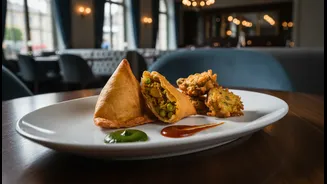
The Strategy Behind the Samosa
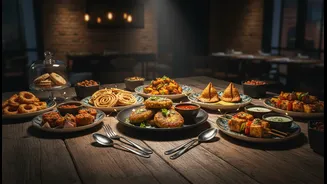
Why would a successful snack company take on the high costs and complexities of running restaurants in some of the world's most expensive cities? The answer lies in brand control and ambition. A restaurant allows a brand to present its food in a controlled, high-quality environment, moving beyond the often-simplified stereotype of a generic 'curry house'. It is an opportunity to showcase regional specialities—from choley bhature to raj kachori—exactly as they are meant to be tasted, creating an authentic and memorable experience. This strategy builds a deeper, more emotional connection with customers, attracting both members of the Indian diaspora craving a taste of home and a curious global audience eager for authentic flavours. Furthermore, these flagship restaurants create a powerful 'halo effect', elevating the perception of the brand's retail products and benefiting the entire business. It's a calculated move to transform pantry loyalty into premium dining revenue.
Serving a Taste of Modern India
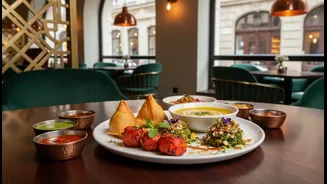
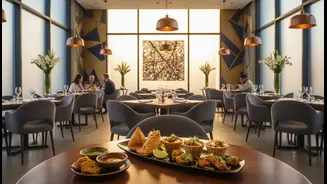
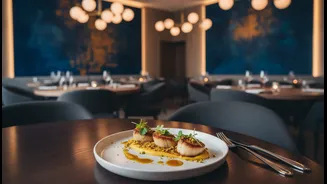
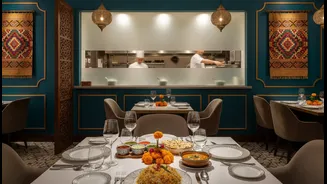
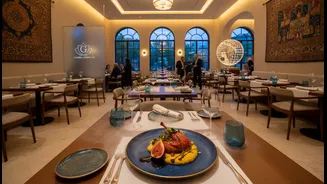
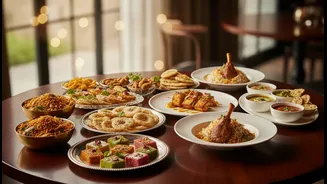
The new wave of restaurants from brands like Haldiram's are doing more than just serving food; they are curating a specific image of modern India. The menus are often a carefully selected representation of the brand's most beloved offerings, presented in a format accessible to an international audience. While the prices are significantly higher than in India—reflecting steep operating costs—they also signal a deliberate repositioning. These are not everyday, value-driven eateries but premium casual dining destinations. The shift is part of a broader trend where Indian cuisine is claiming its space in global luxury dining. By creating sophisticated and welcoming spaces, these brands are challenging outdated perceptions and showcasing the depth and diversity of Indian culinary traditions, from street food staples to elaborate thalis.
Paving the Way for Global Growth
Opening restaurants abroad is not without its challenges. Building a reliable supply chain for authentic ingredients is a significant hurdle. However, brands that have been exporting packaged goods for years have a distinct advantage. Haldiram's, for example, has had a manufacturing base in the UK since 2018 to supply its packaged products across Europe. This existing infrastructure now provides crucial support for its restaurant venture. This strategy also aligns with a wider trend of Indian Quick Service Restaurant (QSR) chains looking to expand globally through franchising and direct ownership. As packaged snack brands successfully build trust and flavour familiarity with international consumers, they lay the groundwork for the entire Indian food industry. Every person who tries and loves a packet of masala chips becomes a potential customer for an Indian restaurant, creating a powerful synergy between retail and hospitality.