








The Illusion of the 'Health Halo'
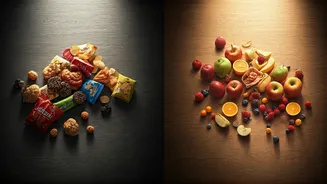
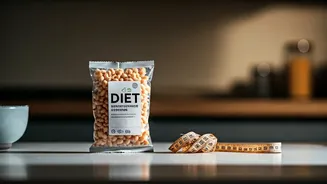
Walk down any supermarket aisle and you'll see them: brightly packaged snacks labelled “low-fat,” “sugar-free,” “keto-friendly,” or “high-protein.” These buzzwords create a “health halo,” making us believe the product is inherently good for us. The problem
is, these labels don't tell the whole story. Many of these snacks are ultra-processed foods, engineered to be hyper-palatable with a combination of salt, fat, and sweeteners. While they might be low in calories, they are often also low in the essential nutrients your body actually needs. The focus on single nutrients (like being low in fat) often masks a less desirable nutritional profile overall, such as being high in refined carbohydrates or artificial additives.
The Blood Sugar and Insulin Puzzle
One of the biggest ways diet snacks can trick your metabolism is through their impact on blood sugar and insulin. You might assume a “sugar-free” snack won’t cause a problem, but it's more complicated. Some artificial sweeteners, like sucralose, have been shown in studies to potentially trigger an insulin release even without the presence of actual sugar. Your body tastes sweetness and prepares for incoming sugar that never arrives. This can lead to increased insulin levels over time. Other snacks, like rice cakes or certain low-fat crackers, are made from refined carbohydrates that are quickly broken down, causing a rapid spike in blood sugar followed by a crash, which leaves you feeling hungry and tired soon after eating. This cycle can encourage more snacking and overeating later.
Missing the Fullness Factor
True satiety—the feeling of being full and satisfied—doesn’t come from calories alone. It comes from nutrients, particularly protein and fiber. Many pre-packaged diet snacks are stripped of these during processing. These ultra-processed foods are often soft and easy to eat quickly, which means you can consume a lot of them before your brain gets the signal that you're full, a process that takes about 20 minutes. Whole foods, on the other hand, require more chewing and digest more slowly. This lack of fiber and protein in processed snacks is a key reason they fail to curb hunger, making you more likely to reach for another snack shortly after.
The Ultra-Processed Problem
The core issue with many diet snacks is that they are ultra-processed foods (UPFs). Research from the National Institutes of Health showed that people on a UPF diet consumed an average of 500 more calories per day and gained weight compared to when they ate a diet of minimally processed foods, even when both diets were matched for nutrients like fat, sugar, and fiber. The very structure of UPFs makes them less satiating. They are engineered for a long shelf life and intense flavor, often using additives like artificial flavors, gums, and hydrogenated oils that offer no nutritional benefit. Over time, a diet high in these foods is linked to a higher risk of metabolic disorders and weight gain.
Smarter Snacking for a Healthy Metabolism
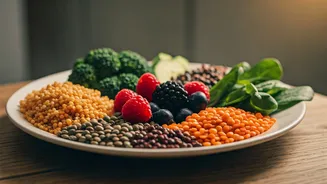
So, what should you reach for instead? The answer lies in whole, minimally processed foods that provide a balance of nutrients. The goal is to combine protein, healthy fats, and fiber to promote satiety and provide sustained energy. Think of snacks as mini-meals that should be just as nutritious. Excellent choices include a handful of almonds, an apple with a tablespoon of peanut butter, Greek yogurt with berries, a hard-boiled egg, or raw vegetables with hummus. These snacks provide the building blocks your body needs and help keep your blood sugar stable, preventing the energy crashes and cravings associated with their processed counterparts. By choosing smarter snacks, you're not just satisfying hunger—you're supporting your metabolic health for the long run.