





An Escape into Nature's Embrace
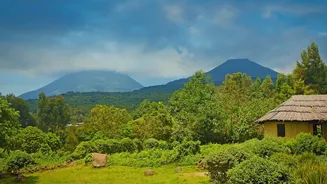
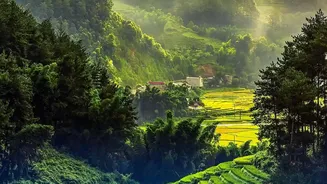
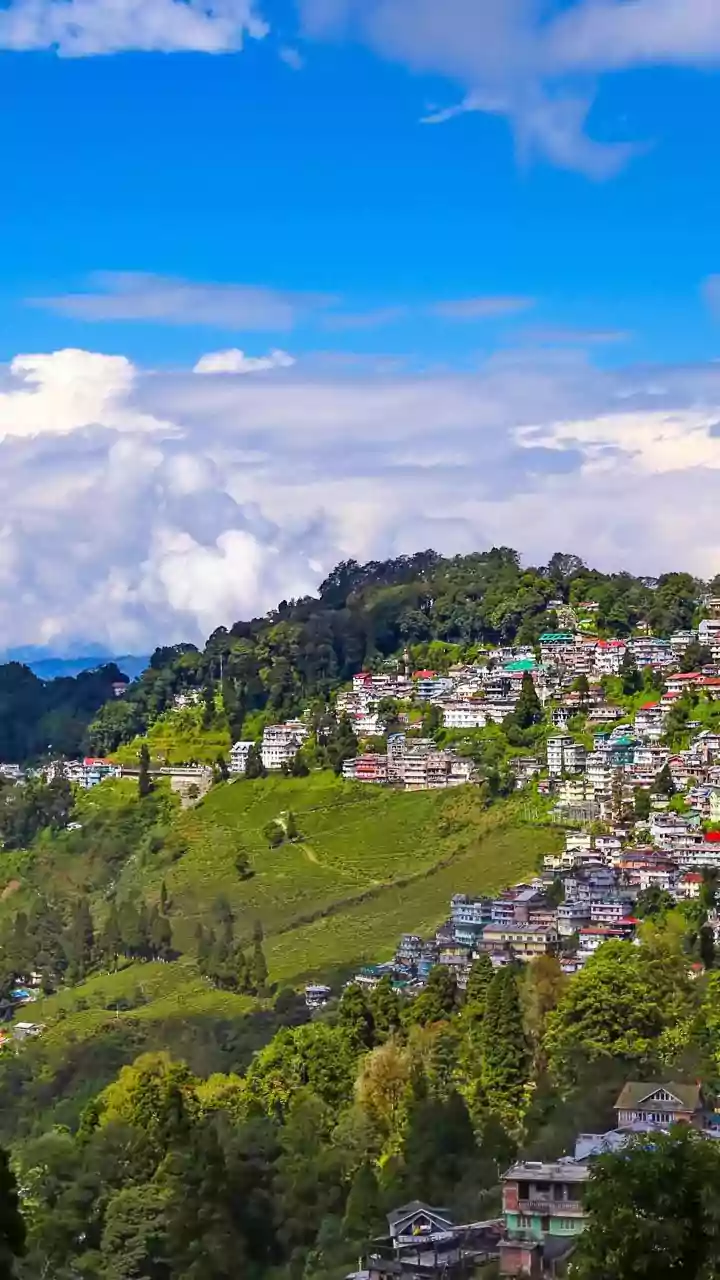
Wayanad, a jewel in Kerala’s Western Ghats, has long been a sanctuary for those seeking refuge from city life. With its sprawling spice plantations, dense forests, and serene waterfalls, it promises tranquillity and a deep connection with nature. However,
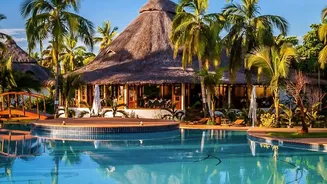
as tourism grows, so does the responsibility to protect this delicate ecosystem. A new wave of hoteliers and architects is rising to this challenge, not by limiting access, but by rethinking the very definition of a resort. Instead of concrete structures that impose on the landscape, they are creating immersive experiences that blend seamlessly into it, proving sustainability and comfort can go hand-in-hand.
The Wisdom of Building with Bamboo
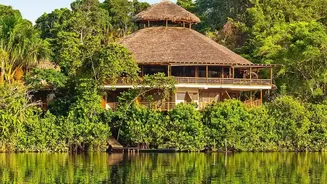
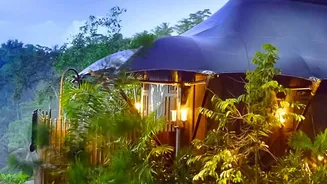
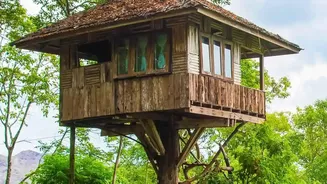
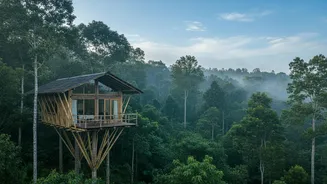
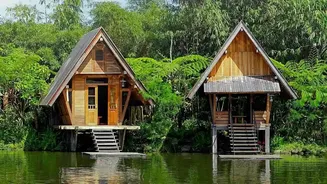
At the forefront of this movement are bamboo treehouses and cottages, which dot the green landscape. Far from being a rustic novelty, bamboo is a powerhouse of sustainability. This fast-growing grass is a renewable resource that requires minimal processing, significantly reducing the carbon footprint associated with conventional construction. In Wayanad, resorts like Uravu Bamboo Grove are built around this principle, using locally sourced bamboo and involving local artisans in construction. This approach not only creates eco-friendly structures but also supports the local economy and preserves traditional craftsmanship. The buildings, often designed by combining international architectural innovation with local expertise, are light, airy, and surprisingly durable, offering guests a unique feeling of living within the forest itself.
Harvesting the Monsoon Bounty
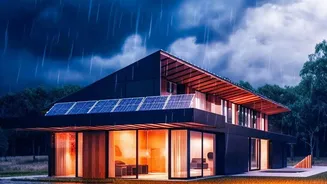
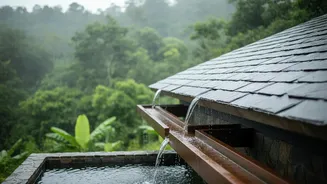
Wayanad is blessed with abundant rainfall, and sustainable resorts are intelligently harnessing this natural gift through rainwater harvesting. This practice is crucial for minimising environmental impact and ensuring water security. By collecting the monsoon rains from rooftops, filtering them, and storing them in reservoirs, these establishments drastically reduce their dependence on groundwater and municipal supplies. This harvested water is then used for everything from irrigating organic gardens to supplying bathrooms, creating a self-sufficient water management cycle. Resorts like AfterTheRains and Wayanad Silverwoods have integrated these systems so seamlessly that guests can enjoy their stay knowing their water consumption has a minimal environmental footprint. This thoughtful approach to a vital resource is a cornerstone of responsible tourism in the region.
A Blueprint for Conscious Travel
Staying in these eco-escapes is about more than just a beautiful view. It’s an experience in conscious living. Waking up in a bamboo cottage to the sounds of the forest, knowing the water in the shower was collected from the sky, and eating food grown in on-site organic farms connects travellers to their environment in a profound way. These resorts often extend their eco-ethos to other practices, such as minimising waste, avoiding single-use plastics, using solar energy, and offering activities like nature walks and birdwatching that foster an appreciation for biodiversity. Ventures like Uravu even function as community tourism projects, where visitors can learn local crafts and contribute directly to village life, making the holiday a truly holistic and beneficial exchange.