


A Delicious Departure from the Everyday
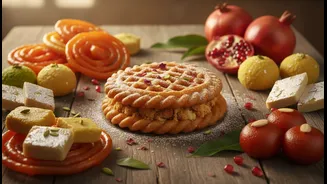
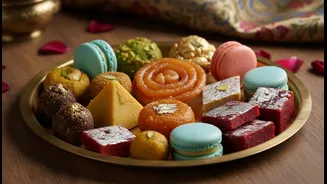
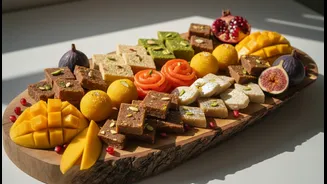
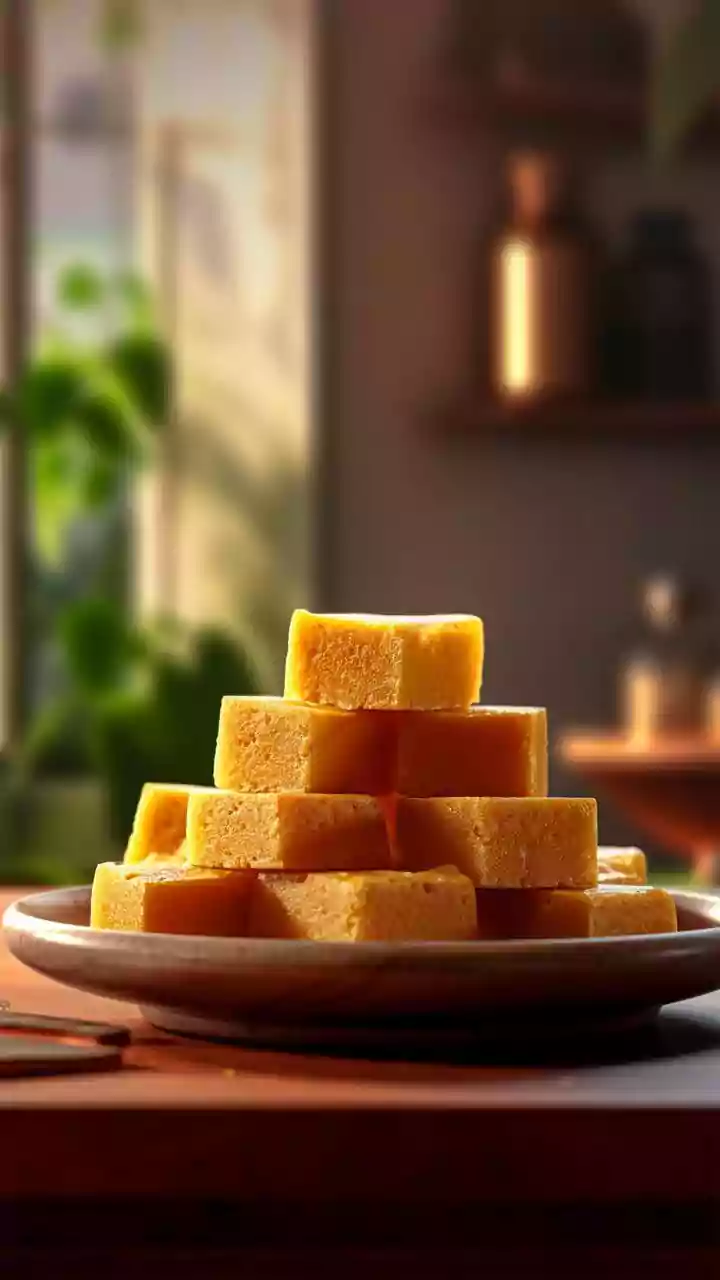
The world of Indian sweets is undergoing a remarkable transformation. While classic recipes remain cherished, a new wave of artisanal mithai makers is reimagining what these confections can be. They are moving beyond mass-produced sweets and looking towards
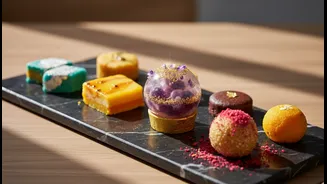
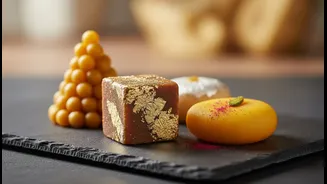
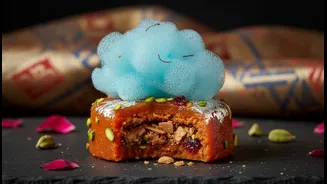
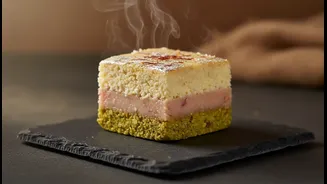
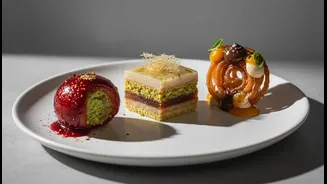
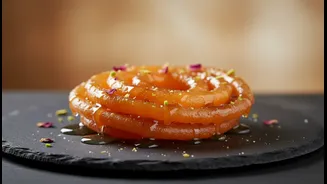
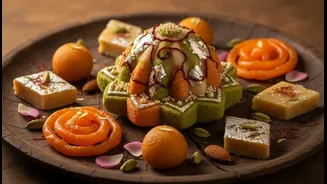
small-batch creations that prioritize quality, craftsmanship, and narrative. This isn't about replacing tradition but building upon it, turning each piece of mithai into an edible story. The goal is to blend nostalgia with novelty, creating flavours that feel both familiar and thrillingly new. This movement sees chefs and sweet-makers acting as culinary storytellers, using their craft to honour heritage while embracing innovation. The result is a gourmet experience where a simple sweet becomes a refined indulgence, thoughtfully designed and exquisitely presented.
Celebrating the Flavour of the Land
At the heart of this trend is a profound appreciation for India's immense biodiversity. Instead of relying on a standard pantry of ingredients, modern mithai artisans are exploring the unique produce that defines different regions. Think sweets infused with the floral notes of Himalayan rhododendrons, the tangy zest of Bengal’s Gondhoraj lemons, or the earthy sweetness of Mahua flowers from central India. This shift towards using fresh, locally sourced ingredients is a key factor in the rising popularity of artisanal mithai. Health-conscious consumers are drawn to sweets that avoid artificial flavours and preservatives. Makers are also incorporating natural sweeteners like jaggery and honey, and even experimenting with millets such as ragi and jowar, offering healthier alternatives without sacrificing taste. This focus on local produce not only creates unique flavour profiles but also supports regional agricultural communities.
Chefs and Brands as Cultural Curators
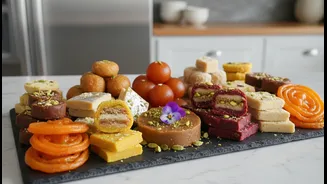
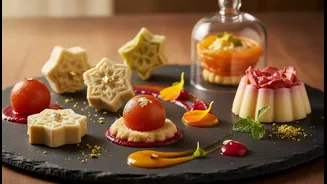
This movement is being led by a new generation of chefs and boutique brands who see mithai as a medium for creative expression. Brands like Bombay Sweet Shop are known for reimagining classics with a contemporary twist, such as their Indie Bar which layers coconut fluff and pepper caramel with soan papdi. Others, like Kesar, build their collections around poetic concepts, with sweets designed to evoke seasons or sentiments. Their 'Baramasa' series includes a nolen gur sweet that whispers of Bengal's coastal sweetness and another shaped like a diya to evoke the warmth of ghee. These creators are not just making sweets; they are curating experiences. The process is often painstaking, with each piece handcrafted to ensure a balance of flavour, texture, and visual appeal, turning the humble mithai box into a collection of edible jewels.
A Taste of Modern Indian Identity
This evolution of mithai reflects a broader cultural shift in India—a renewed pride in regional identity and a desire for authenticity. As consumers become more discerning, they are seeking products with a story. They want to know where their food comes from and the traditions behind it. This trend connects younger generations with their culinary roots in a way that feels modern and relevant. When a sweet is infused with a flavour from a specific region or tells a story through its form, it becomes more than just a dessert; it becomes an expression of cultural heritage. This culinary homecoming involves Indian chefs looking inward, using world-class techniques to reinterpret the flavours of their own heritage. It proves that tradition doesn't have to be static; it can be a dynamic force for creativity and connection.