
A Green Awakening
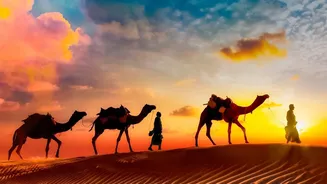
For generations, Rajasthan's tourism calendar was predictable: a bustling winter season followed by a dormant, intensely hot summer. The monsoon months of July and August were traditionally seen as the off-season. But recent travel trends show a clear
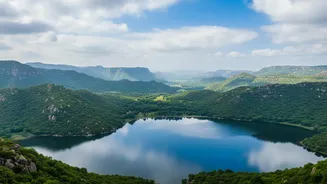
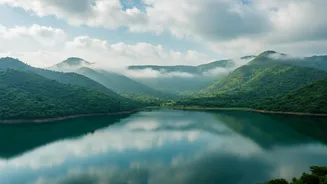
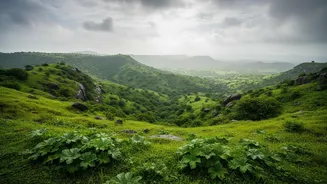
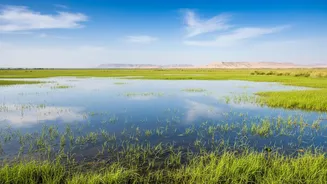
and surprising shift. After months of summer heat, the rains have breathed new life into the state, covering landscapes in green, filling water bodies, and creating breathtaking scenery that is attracting a significant wave of domestic tourists. This isn't just a handful of visitors; it's a noticeable trend of travellers planning trips specifically to experience the rains, opting for slower, more immersive journeys into the state's newly green avatar. This growing popularity has provided a major boost to the local hospitality industry, especially in smaller and emerging destinations.
Beyond Jaipur: The New Monsoon Hotspots
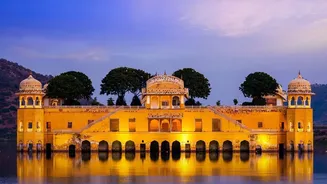
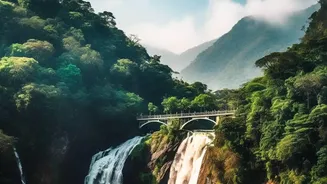
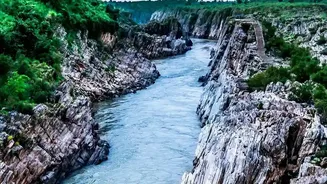
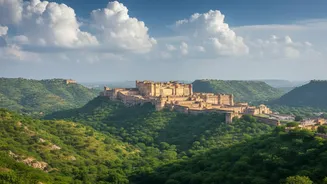
While cities like Jaipur and Jodhpur remain popular, the monsoon surge is being led by destinations that showcase Rajasthan's natural beauty. Udaipur, the 'City of Lakes', becomes particularly magical as Lake Pichola and Fateh Sagar Lake fill to the brim, reflecting the green-draped Aravalli Hills. The Sajjangarh Palace, aptly named the Monsoon Palace, offers panoramic views of the cloud-covered city below. Rajasthan's only hill station, Mount Abu, transforms into a misty retreat with active waterfalls and pleasant, cool weather. Lesser-known gems are also gaining prominence. Bundi, the 'City of Stepwells', nestled in the Aravallis, offers a tranquil escape with its grand palace and ancient, rain-filled baoris. Similarly, places like Kumbhalgarh, with its formidable fort surrounded by green ranges, and Banswara, known for its waterfalls, are becoming go-to spots for nature lovers.
Drivers of the Change: Connectivity and Social Media
So, what's behind this sudden change in perception? A major factor is improved infrastructure. Newly developed expressways and better air connectivity have made it easier for travellers to plan quick monsoon getaways. However, the real game-changer has been social media. Rajasthan Tourism has actively worked to break stereotypes by showcasing the state beyond its desert image through engaging digital campaigns. Instagram reels and YouTube vlogs filled with images of misty lakes, lush hills, and monsoon-specific itineraries have gone viral, sparking curiosity among a younger generation of travellers. This user-generated content provides an authentic, real-time look at a side of Rajasthan many never knew existed, creating a powerful desire to experience it firsthand. Travellers are increasingly seeking immersive nature experiences over conventional luxury, and resorts in destinations like Ranthambore and Sariska are seeing high demand.
The Bigger Picture: A New Identity
This monsoon travel boom is more than just a seasonal trend; it represents a fundamental rebranding of Rajasthan. For the first time, the state is being widely celebrated not for its arid grandeur but for its lush, natural landscapes. This shift towards 'green tourism' allows for a more evenly distributed, year-round tourism economy, benefiting regions that were previously overlooked during the peak winter season. This change also brings challenges, including the strain on infrastructure during heavy rains and the critical need for sustainable practices to protect the fragile ecosystems now in the spotlight. The increased traffic highlights the importance of managing resources, especially water, as tourism grows. The state's ability to balance this newfound popularity with conservation will be key to ensuring its long-term success as a diverse, all-weather destination.