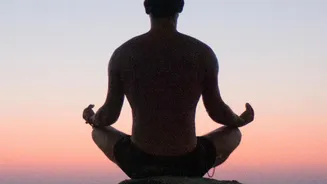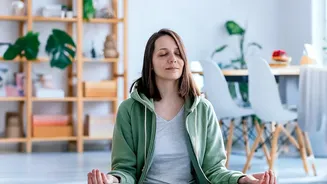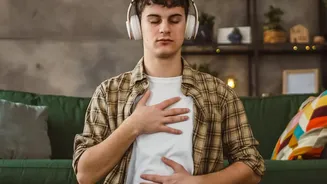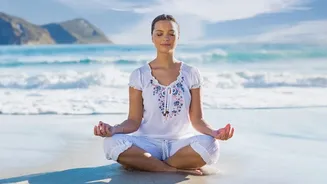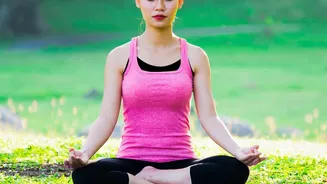





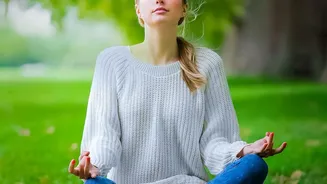

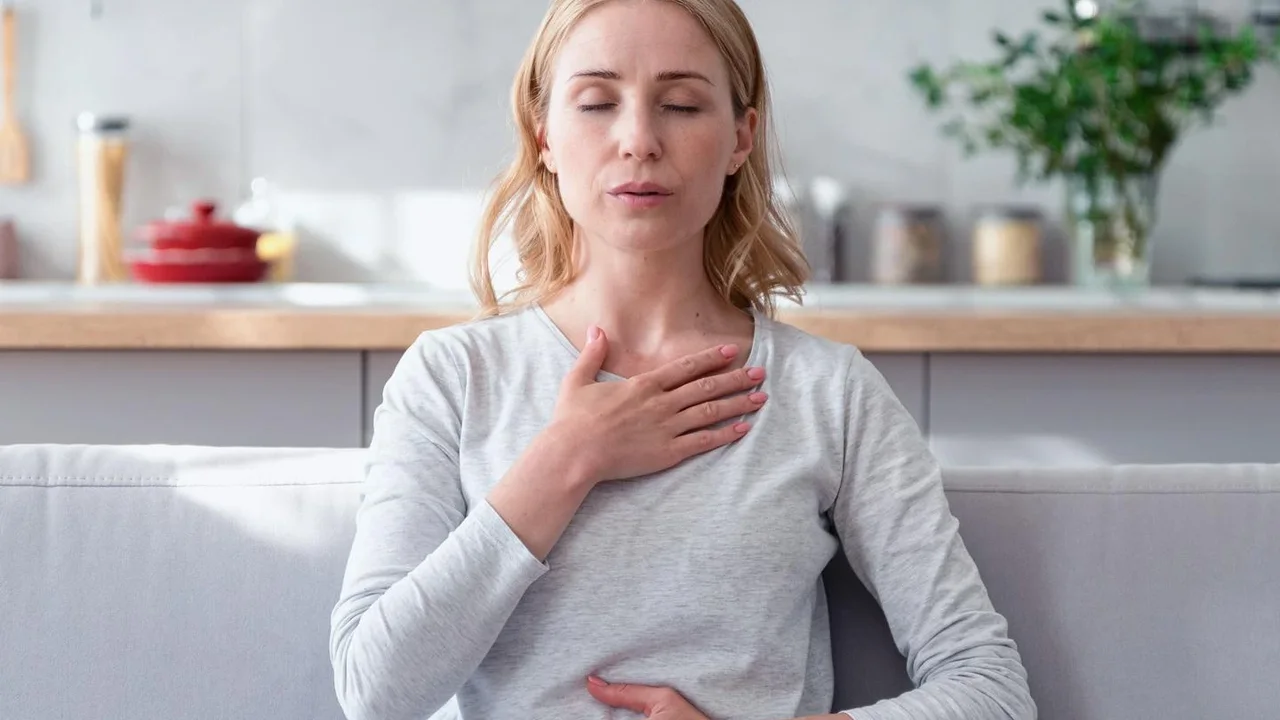
Beyond Deep Breathing: What Is Pranayama?
Pranayama is a Sanskrit term meaning 'extension of the life force'. It's far more than just taking a few deep breaths; it's the conscious and deliberate regulation of your breathing patterns. While most of the time our breathing is automatic, pranayama
turns it into a mindful practice. This ancient yogic discipline uses specific techniques to control the timing, duration, and rhythm of inhalation, exhalation, and even the pauses in between. The goal is to harness the body's vital energy, known as 'prana', to quiet the mind, balance emotions, and create a profound sense of inner calm.
The Science of a Single, Conscious Breath
The magic of pranayama lies in its direct influence on our autonomic nervous system (ANS), the body's unconscious control centre. The ANS has two main branches: the sympathetic nervous system (our 'fight-or-flight' response) and the parasympathetic nervous system (our 'rest-and-digest' mode). When we're stressed, our breathing becomes shallow and rapid, activating the sympathetic system and flooding our bodies with stress hormones like cortisol.Slow, intentional breathing, as practiced in pranayama, does the opposite. It stimulates the vagus nerve, a critical component of the parasympathetic system. This activation sends a powerful signal to the brain that you are safe, slowing your heart rate, lowering blood pressure, and effectively switching off the stress alarm. Scientific studies show this shift can be measured through markers like heart rate variability (HRV), providing a biological basis for why these practices feel so calming.
From Daily Practice to Lasting Resilience
Think of daily pranayama as training for your nervous system. Each session is like a workout that strengthens your ability to consciously shift from a state of stress to a state of calm. With consistent practice, this response becomes more automatic. You're not just managing stress in the moment; you're fundamentally rewiring your body's baseline response to it. This creates lasting mental resilience. Instead of being easily hijacked by professional deadlines or personal challenges, you develop a greater capacity for emotional regulation and mental clarity. Over time, practitioners often report feeling less reactive, more focused, and better equipped to handle life's inevitable ups and downs with a steady mind.
Simple Pranayama Techniques to Begin Your Journey
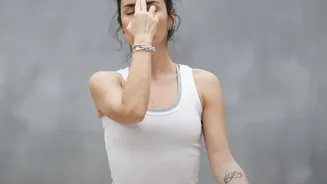
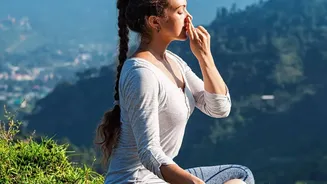
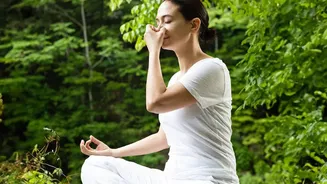
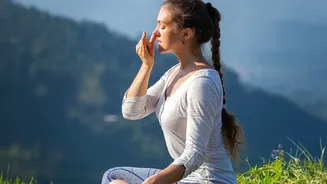
Starting a pranayama practice doesn't require years of yoga experience. These simple yet powerful techniques can be done anywhere, anytime, to instantly de-stress.1. Anulom Vilom (Alternate Nostril Breathing): Known for its ability to balance the brain's left and right hemispheres, this practice promotes mental clarity and emotional stability. To start, use your right thumb to gently close your right nostril and inhale slowly through the left. Then, close the left nostril with your ring finger, release the thumb, and exhale through the right. Inhale through the right, close it, and exhale through the left. This completes one round. Continue for 5-10 rounds.2. Bhramari (Humming Bee Breath): This is an incredibly effective technique for instantly calming an agitated mind. The gentle humming vibration soothes the nervous system. Sit comfortably, close your eyes, and place your index fingers on the cartilage of your ears. Inhale deeply, and as you exhale, gently press the cartilage and make a continuous, low-pitched humming sound like a bee. Repeat for 5-7 rounds and notice the immediate sense of quiet that follows.