



Why the Monsoon is Tough on Your Gut
The rainy season creates a perfect storm for digestive issues. High humidity can make the body's metabolism feel sluggish, and the damp environment is ideal for bacteria and viruses to thrive. This increases the risk of consuming contaminated food and water,
leading to common problems like bloating, indigestion, food poisoning, and diarrhoea. Our immune systems can also take a dip during this seasonal shift, making our gut—which houses a significant portion of our immune cells—more vulnerable to disturbances. This combination of factors can disrupt the delicate balance of trillions of microbes living in our digestive tract, often leading to discomfort.
Fermentation: The Probiotic Powerhouse
This is where fermented foods come in. Fermentation is an age-old process where microorganisms like bacteria and yeast break down food components, creating beneficial compounds in the process. The most important of these are probiotics—live, friendly bacteria that help replenish and support the healthy flora in your gut. Think of them as reinforcements for your internal army. By introducing these beneficial microbes, you help crowd out harmful bacteria, improve digestion, and enhance nutrient absorption. A healthy gut microbiome is crucial for a strong immune system, which is especially important during the vulnerable monsoon season.
Dahi (Curd) and Chaas (Buttermilk)
Perhaps the most common and accessible probiotic in any Indian household is homemade dahi. A bowl of fresh curd contains billions of live cultures, like Lactobacillus, that help maintain a healthy gut balance. It cools the stomach and can be easily incorporated into any meal. For an even lighter option, chaas, or buttermilk, is excellent. Made by diluting curd, it's easier to digest in humid weather and helps with hydration. Spicing it with roasted cumin and mint not only enhances the flavour but also provides additional digestive benefits.
Traditionally Made Achar (Pickle)
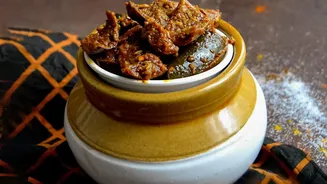
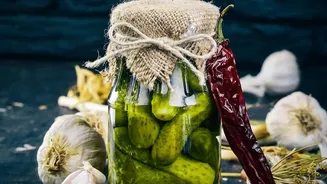
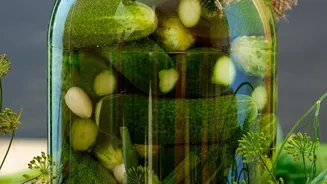
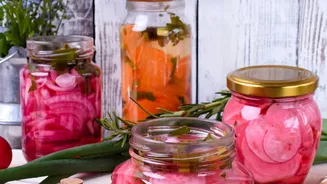
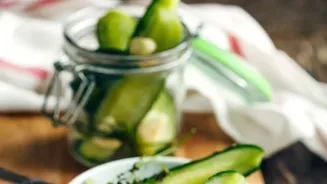
While many mass-produced pickles use vinegar, which kills beneficial microbes, traditionally made achar is a different story. Lacto-fermented pickles, made by preserving vegetables in salt and oil and allowing them to ferment naturally over time, are a potent source of probiotics. The process cultivates beneficial bacteria that aid digestion and support gut health. Spices used in pickles, like mustard seeds, turmeric, and fenugreek, also have anti-inflammatory properties. A small spoonful of homemade mango, lemon, or chilli pickle with your meal can add both a flavour punch and a dose of gut-friendly bacteria.
Kanji and Other Fermented Drinks
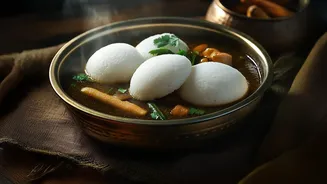
A lesser-known but incredibly powerful traditional condiment is Kanji. This tangy, fermented drink is typically made from black carrots or beetroot, water, and mustard seeds. It is left to ferment for several days, creating a beverage teeming with probiotics. Kanji is celebrated not just for its gut-healing properties but also for being rich in antioxidants. Other fermented preparations like the batter for idli and dosa are also beneficial, as the fermentation process makes them lighter and easier to digest while adding probiotic value.
Making Smart Choices
To reap the benefits, it's crucial to choose the right kind of fermented foods. Opt for homemade or locally sourced fresh dahi over commercially packaged, sweetened yogurts, which are often heat-treated, killing the live cultures. Similarly, look for pickles that are traditionally lacto-fermented and free of vinegar and preservatives. The key is to consume foods with live, active cultures. During the monsoon, hygiene is paramount, so ensure these foods are prepared and stored safely to avoid contamination.