



What Am I Looking For?
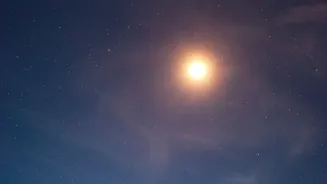
Forget what you think a space station should look like. From the ground, the ISS appears as a very bright, steady point of white light moving smoothly and quickly across the sky. It doesn't have the blinking red and green lights of an airplane, nor does it streak
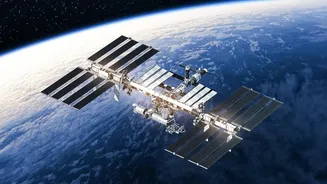
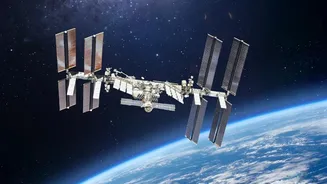
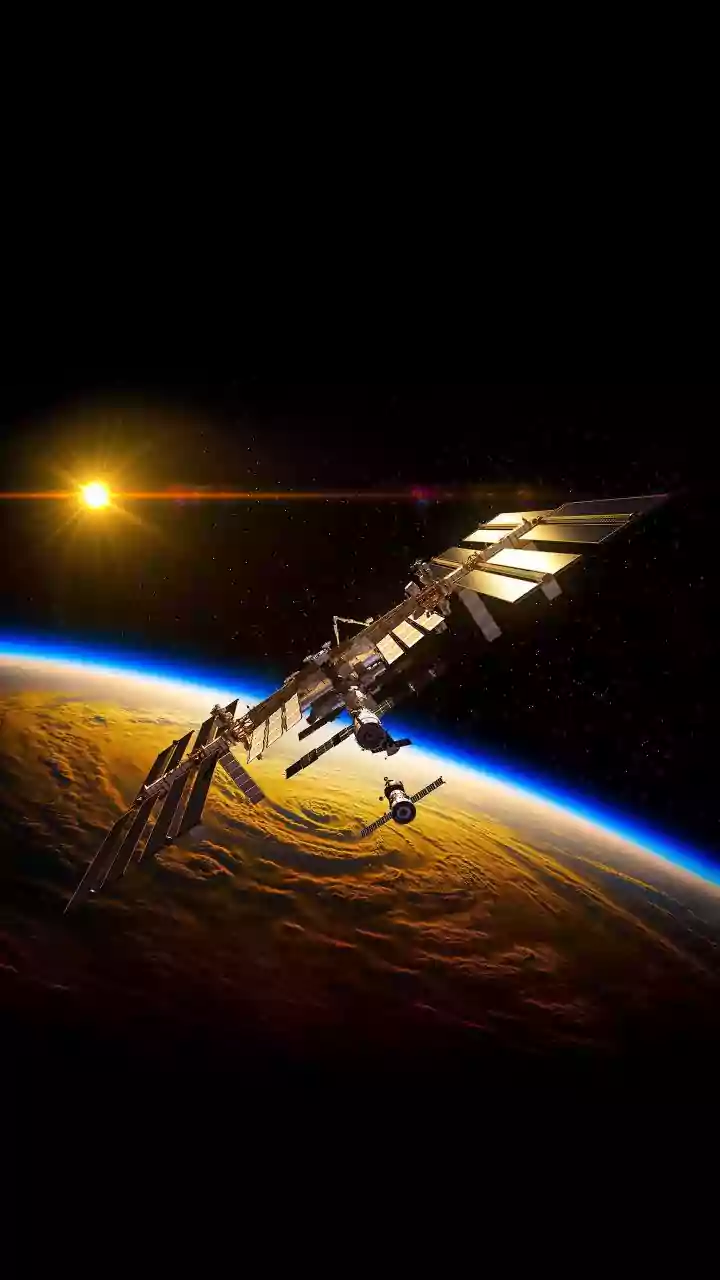
and vanish like a meteor. Its brightness comes from its massive solar arrays reflecting sunlight. In fact, the ISS is often the third brightest object in the night sky after the Sun and the Moon, capable of outshining even the brightest stars and planets like Venus. You can easily see it with your naked eye, even from the middle of a light-polluted city.
Finding Your Personal Viewing Times
The key to spotting the ISS is knowing exactly when and where to look. The station is only visible for a few minutes at a time, typically in the hour or two after sunset or before sunrise. This is the magic window when the sky is dark on the ground, but the ISS, at its high altitude of around 400 kilometres, is still bathed in sunlight. The best resource is NASA's own 'Spot The Station' website and app. Simply enter your city—be it Delhi, Mumbai, Bengaluru, or any other town in India—and it will generate a list of upcoming viewing opportunities. It will tell you the exact time the pass will start, how long it will be visible, its maximum height, and the direction it will travel across your sky. For those who want more options, apps like 'ISS Detector' and websites like 'Heavens-Above' are also excellent resources that provide detailed tracking and alerts.
A Step-by-Step Guide to Spotting the Station
Once you have your viewing time, the process is simple. First, head outside about five minutes early to let your eyes adjust to the darkness. Avoid looking at your phone screen right before the pass. Second, face the direction where the app or website says the station will first appear (often in the western part of the sky). Many apps even have an augmented reality (AR) feature that uses your phone’s camera to show you the exact path the ISS will take across the sky. Third, just watch. Right on schedule, you will see a bright dot rise from the horizon and begin its silent, steady journey. A typical pass lasts between three to six minutes before the station either sets below the opposite horizon or fades into Earth's shadow. This fading can look like someone suddenly switched off a light, which is a normal part of the viewing experience.
Tips for Success in the City
City lights can be a challenge for stargazing, but the ISS is so bright that it punches right through the urban glow. Still, for the best experience, try to find a spot with an open view of the sky, like a park, a rooftop, or a balcony that isn't directly under a bright streetlight. The higher the pass—look for sightings with a maximum elevation above 40 degrees—the better your view will be, as the station will climb high above buildings and local light pollution. While places like Spiti Valley or the Rann of Kutch offer perfect dark skies, you absolutely do not need to leave the city for this particular celestial event. The ISS brings the show right to you.
More Than Just a Point of Light
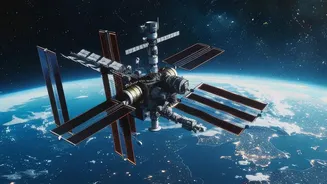
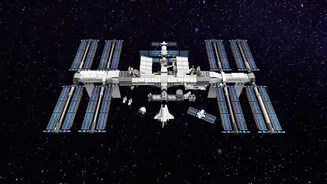
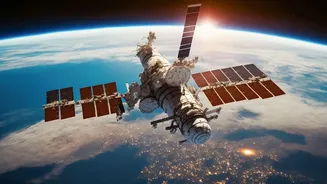
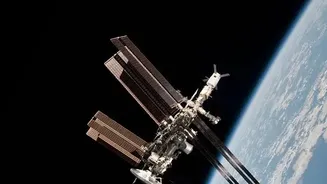
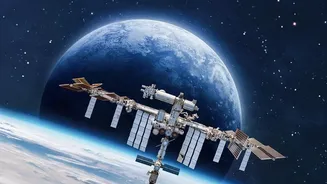
As you watch that silent dot glide overhead, take a moment to consider what you're seeing. The ISS is a football-field-sized laboratory orbiting Earth at a staggering 28,000 kilometres per hour, completing a full circle of the globe every 90 minutes. It has been continuously inhabited by astronauts for over two decades, conducting research that benefits all of humanity. Sometimes, an Indian astronaut might even be on board, making the connection feel even more personal. Knowing that you are watching human beings living and working in that speck of light transforms a simple skywatching event into a moment of genuine awe and connection.