




The Most Expensive Shipping Fee in History
The first and biggest cost driver is simple: location, location, location. Everything for the ISS had to be launched into space, an incredibly violent and expensive journey. During the station's main construction phase, the Space Shuttle was the primary
delivery vehicle, with each launch costing an estimated $1.4 billion. The station wasn't launched in one piece; it was assembled module by module over more than 40 separate flights. Just getting the parts into orbit cost tens of billions of dollars. Imagine paying for a delivery service where the fee for sending a kilogram of material was once as high as $54,500. While costs have come down with modern rockets, escaping Earth's gravity remains the single biggest hurdle and expense in any space endeavor.
Building Custom LEGOs in Zero Gravity
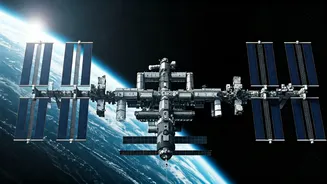
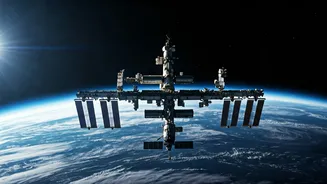
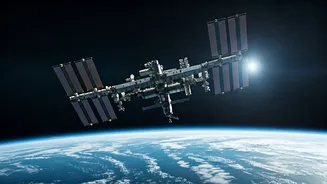
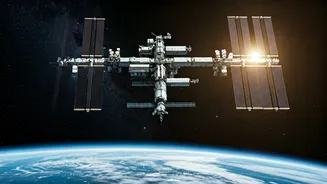
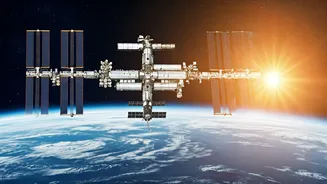
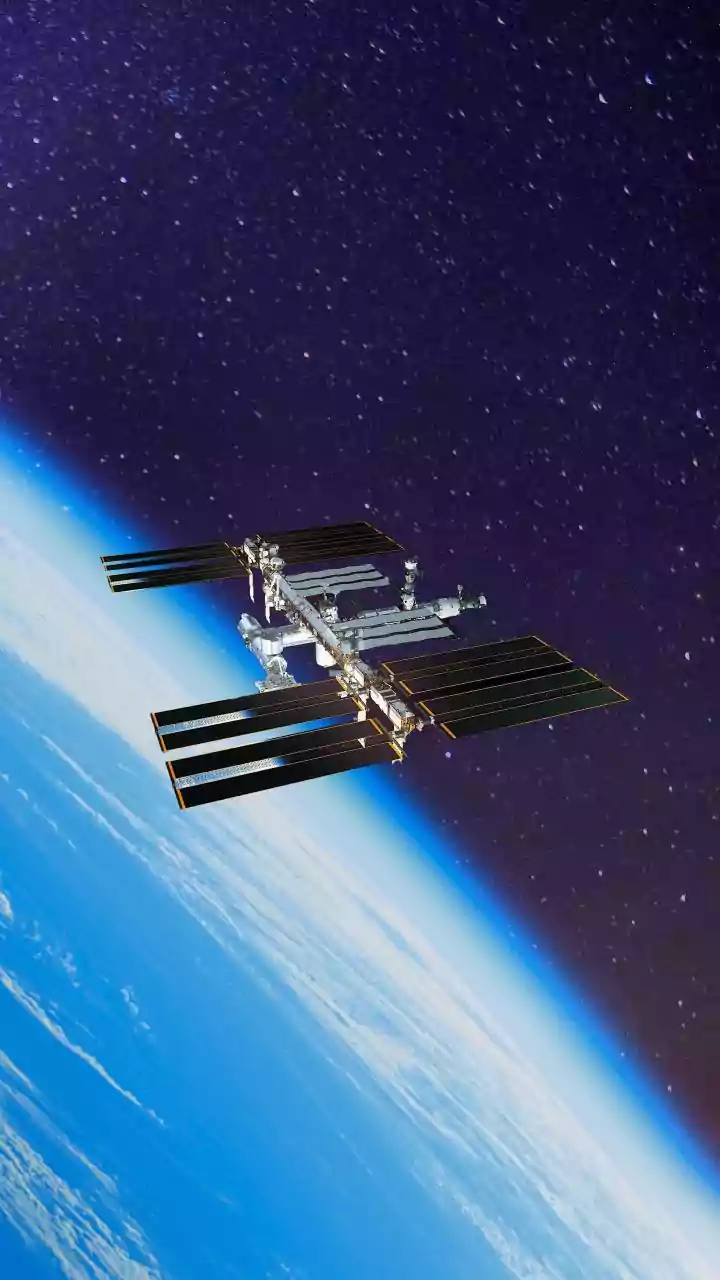
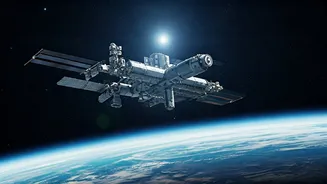
The ISS wasn't built on an assembly line. It’s a collection of highly specialized modules, each a miniature spacecraft in its own right, built by different countries. The first Russian module, Zarya, was launched in 1998, followed by the American Unity node two weeks later. Over the next decade, laboratories from Europe and Japan, living quarters, airlocks, and connecting nodes were all launched separately and painstakingly connected in orbit. This required hundreds of hours of spacewalks, where astronauts worked in bulky suits to physically bolt, wire, and seal the modules together, all while hurtling around the Earth at 17,500 miles per hour. Each of these modules, like the $2 billion Columbus lab or the $4 billion Destiny lab, were one-of-a-kind projects costing billions to design, test, and build.
Inventing Everything from Scratch
You can't use off-the-shelf parts when building a habitat for the vacuum of space. Nearly every component of the ISS had to be custom-designed and rigorously tested to withstand extreme temperature swings, radiation, and the constant threat of micrometeoroid impacts. This includes life support systems that recycle air and water, massive solar arrays that span the length of a football field to generate power, and sophisticated computers running millions of lines of code to keep everything running. The research and development (R&D) to create these systems was a massive undertaking. From the station's robotic arm, Canadarm2, which cost over a billion dollars, to the complex life support systems in the Tranquility node, every piece of technology was on the cutting edge, adding billions to the overall development cost.
The Never-Ending Maintenance Bill
The initial construction cost is only part of the story. The ISS costs roughly $3-4 billion per year just to operate. This budget covers a wide range of expenses: launching regular resupply missions with food, water, and scientific experiments; paying the salaries of astronauts and thousands of ground control personnel around the world; and conducting ongoing maintenance and repairs. In space, a simple repair can become a complex and dangerous spacewalk. The station has required constant upkeep, from fixing ammonia leaks in the cooling system to upgrading its power systems with new solar arrays. These operational costs, spread over more than two decades of continuous human presence, contribute significantly to the station's monumental price tag.
The Price of Global Cooperation
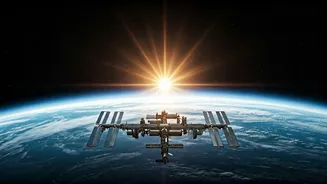
The ISS is a joint project between five space agencies: NASA (USA), Roscosmos (Russia), JAXA (Japan), ESA (Europe), and CSA (Canada). While this unprecedented collaboration is one of the station's greatest triumphs, it also added layers of complexity and cost. Coordinating design standards, launch schedules, and operational procedures among different nations, languages, and engineering philosophies was a monumental management challenge. Each partner agency contributed modules and funding, which spread the financial burden but also increased the overhead for integration and coordination. Ultimately, the high cost reflects the project's dual nature as both a scientific laboratory and a complex feat of international diplomacy.