



Why Fibre is Your Unsung Hero
Before we get to the food, let's quickly understand what we're talking about. Dietary fibre is a type of carbohydrate found in plants that your body can't digest. There are two main types, and both are crucial. Soluble fibre, found in foods like oats,
beans, and apples, dissolves in water to form a gel. This process helps lower cholesterol and control blood sugar levels. Insoluble fibre, present in whole grains and vegetables, acts like a 'brush' for your digestive system, promoting regular bowel movements and preventing constipation. The recommended daily intake for Indian adults is around 25-38 grams, but studies show many urban dwellers get less than half of that. This gap can contribute to issues like bloating, fatty liver, and other metabolic diseases.
Power Up Your Breakfast
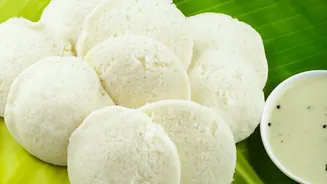
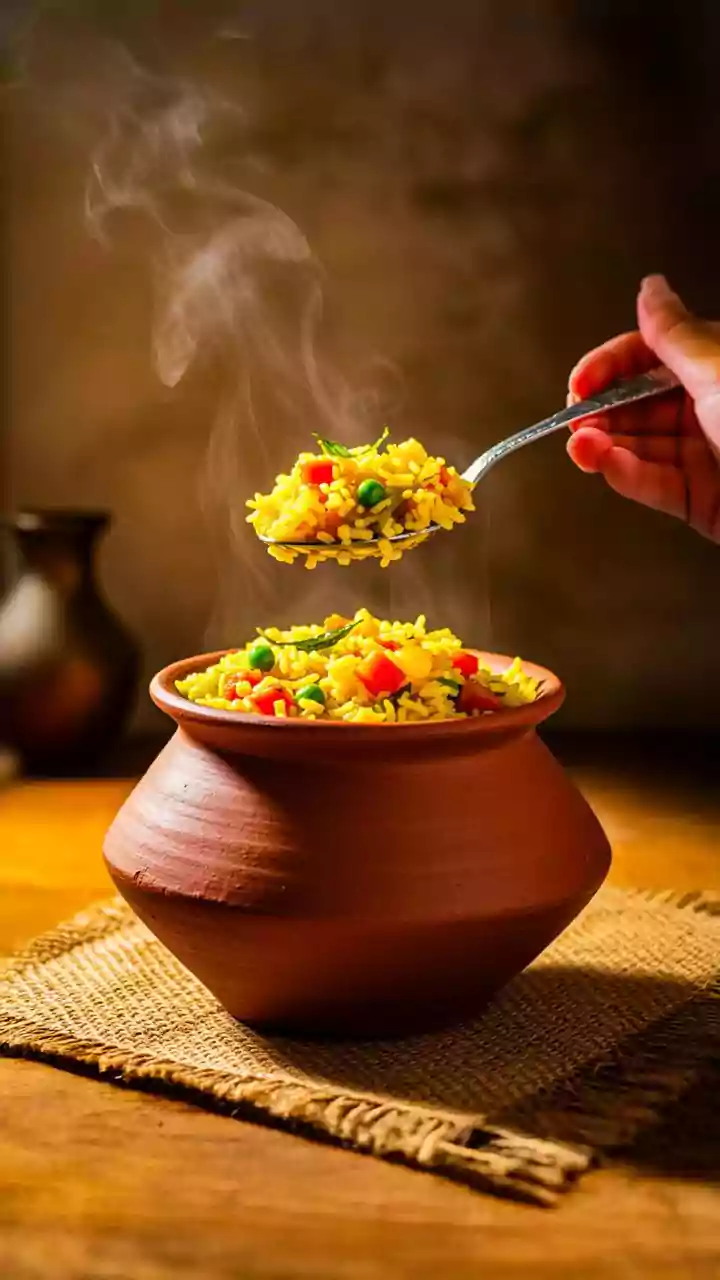
Breakfast is the perfect place to start making small changes. Instead of a plain poha, add a handful of peanuts and plenty of vegetables like peas and carrots to boost fibre. If you enjoy upma, consider making it with oats or adding mixed vegetables to the traditional semolina recipe. For those in the south, adding lentils or finely chopped vegetables to your idli or dosa batter can increase its nutritional value. Even a simple swap from a potato-filled paratha to one stuffed with sattu (roasted gram flour) or paneer can make a significant difference in both fibre and protein content.
Rethink Your Lunch Thali
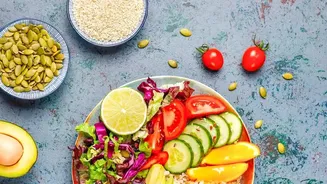
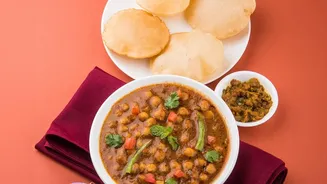
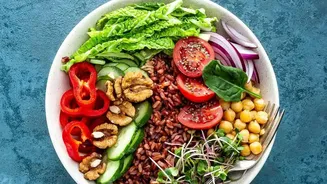
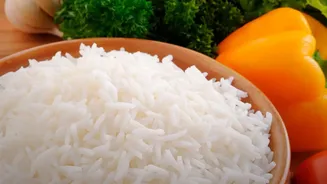
The traditional Indian thali is already well-balanced, but a few tweaks can make it a fibre powerhouse. The easiest switch is your grain. Opt for chapatis made from whole wheat (atta), jowar, bajra, or ragi instead of those made with refined flour (maida). If you’re a rice eater, try swapping white rice for brown rice, or simply reduce the rice portion and increase your serving of dal. Speaking of dal, lentils and legumes like rajma, chana, and moong are fibre champions. Aim to have at least one generous katori of dal or a legume-based curry with your lunch. Finally, don't forget a side salad. A simple kachumber of cucumber, tomato, and onion adds a refreshing crunch and valuable fibre.
Make Your Dinner Denser
Dinner can be enhanced in much the same way as lunch. When making vegetable curries or a sabzi, be generous with fibre-rich vegetables like okra (bhindi), cauliflower, sweet potatoes, and spinach. If you're making a mixed vegetable dish, the more variety, the better. You can also thicken gravies and curries by adding a spoonful of ground oats or a paste of mixed lentils instead of just besan or refined flour. A simple khichdi can be transformed by using millets or brown rice and loading it with vegetables and pulses, turning a comfort food into a nutrient-dense meal. The goal is not to eliminate your favourites, but to enhance them.
Snack Smarter, Not Less
Mid-day hunger pangs are often where healthy intentions go astray. Instead of reaching for processed biscuits or chips, consider smarter alternatives that are just as convenient. A handful of roasted chana or peanuts is a classic Indian snack packed with fibre and protein. Seasonal fruits like guava (one of the highest-fibre fruits), apples, and papayas are excellent choices; just be sure to eat them with their skin where possible. A small bowl of sprouts chaat or a handful of nuts and seeds like almonds and flaxseed can also provide a substantial fibre boost to keep you feeling full and energized between meals.