





The Shift from More to Smarter
For decades, the prevailing wisdom in gyms and training grounds was that more is always better. The toughest athletes were the ones who trained the longest and hardest, often pushing through pain and fatigue. But modern sports science has revealed a fundamental
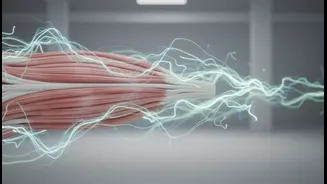
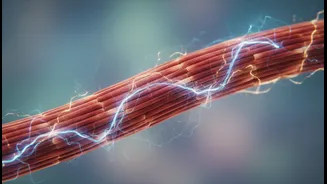
flaw in this thinking. The gains you seek—stronger muscles, greater endurance, and improved performance—don't actually happen during your workout. They happen afterward, during the crucial period of recovery. Exercise, particularly intense training, creates microscopic tears in your muscle fibers. It's the body's repair process, which occurs during rest, that rebuilds these fibers to be stronger and more resilient than before. Without adequate recovery time, you deny your body the chance to make these critical adaptations, leading to performance plateaus, burnout, and an increased risk of injury.
The Pillars of Effective Recovery
Effective recovery isn't just about taking a day off. It's a holistic approach built on a few key pillars. At the top of the list is sleep. During deep sleep, your body releases growth hormone, which is essential for tissue repair and muscle growth. Consistently getting 7-9 hours of quality sleep helps regulate hormones like testosterone, which aids muscle synthesis, and keeps the stress hormone cortisol in check, which can otherwise break down muscle tissue. Alongside sleep, nutrition and hydration are critical. After a workout, your body needs protein to supply the amino acids necessary for muscle repair and carbohydrates to replenish its energy stores, known as glycogen. Proper hydration is also vital for delivering nutrients to your cells and flushing out metabolic waste products.
Active vs. Passive Recovery
Recovery strategies can be broadly split into two categories: active and passive. Passive recovery is what most people think of as rest—taking a complete day off from strenuous activity, getting a massage, or simply sleeping. This gives your muscles, joints, and nervous system a total break. Active recovery, on the other hand, involves low-intensity activity designed to promote blood flow and reduce soreness without adding significant stress to the body. This could include a gentle walk, a light cycling session, yoga, or targeted stretching. Increased circulation helps deliver oxygen and nutrients to your muscles while clearing out metabolic byproducts that contribute to soreness. For many athletes, a combination of both active and passive recovery yields the best results.
The Rise of Recovery Technology
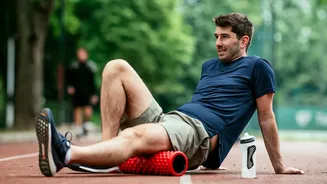
The growing emphasis on recovery has spurred a boom in technology designed to accelerate the process. Tools that were once reserved for professional athletes are now widely available. Percussion massagers, or massage guns, help relieve muscle tension and can be used before or after workouts. Compression boots use pneumatic pressure to massage the limbs, which can help reduce swelling and improve circulation. Other popular methods include foam rollers for self-myofascial release, which can help ease muscle tightness and reduce soreness after a workout. While these tools can be highly effective, experts note they are best used to supplement, not replace, the fundamental pillars of recovery: sleep, nutrition, and proper rest days.
Listen to Your Body
Perhaps the most important recovery tool of all is your own body's feedback. Signs of overtraining can be both physical and mental, including persistent fatigue, decreased performance, unusual muscle soreness, poor sleep quality, and mood disturbances like irritability. Learning to recognize these signals is crucial for preventing burnout and injury. If you're feeling unusually tired or your performance has stalled despite consistent training, it might be your body's way of asking for more rest. Integrating planned rest days and lighter 'deload' weeks into your training schedule can prevent overtraining before it starts and ensure your fitness journey is sustainable for the long haul.