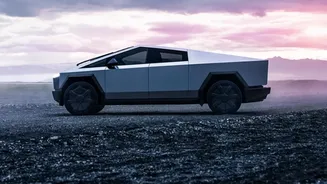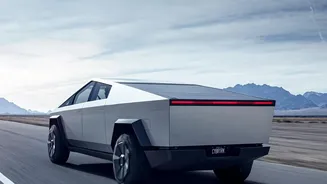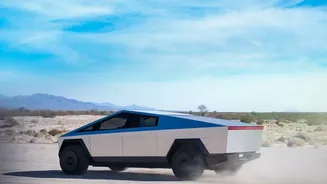




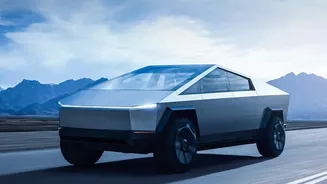
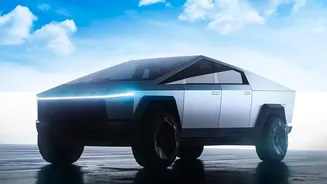
Tesla's Cybertruck is getting a slightly longer lease on life. CEO Elon Musk announced production will now run through the end of summer 2027, a minor extension to fulfill more backlogged orders before the line is shut down permanently.
A Reprieve, Not a Reversal
In a series of
recent announcements, Elon Musk has clarified the controversial future of the Cybertruck. Initially, on November 6, 2026, Musk stated that production of the polarizing electric pickup would wind down around the middle of 2027. This was to make room at the Texas Gigafactory for what he sees as the company's future: the Cybercab robotaxi. However, following a significant reaction from customers and fans, Musk announced on November 11 that the production run would be extended through the end of summer 2027. This extension adds approximately two to three more months of manufacturing time, providing a small window to clear more of the vehicle's substantial order backlog. It is a slight delay of an already determined endpoint, not a change in strategy.
Demand, Delays, and Difficult Math
The core reason for the shifting timeline is a backlog of orders that Musk says 'is currently far more than we can make' before the planned shutdown. While announcing the end of the Cybertruck's run created a last-call rush for orders, the vehicle has also faced significant production challenges since its launch. Musk himself once stated, 'We dug our own grave with Cybertruck', citing the 'enormous challenges' in ramping up production and making it profitable. The truck's unconventional stainless-steel exoskeleton and other unique components have made mass production difficult, and sales have not met the initial lofty annual target of 250,000 units. Even with an extra production shift being added, Musk has conceded that Tesla will likely have to refund deposits to many people, as not all orders can be fulfilled.
What This Means for Buyers
For those holding a reservation, the news is mixed. The extension offers a slightly better chance of receiving a vehicle, especially for those near the front of the line. However, the ultimate outcome remains uncertain for many. After the initial wind-down announcement, Tesla stopped taking new orders for some trims and raised the price of the high-end 'Cyberbeast' model. Reservation holders have been advised to check their Tesla accounts for any updates to their delivery estimates. The reality is that the factory line has a hard stop. Those further back in the queue face the real possibility that their truck will never be built, and their deposit will be returned.
The Pivot to Cybercab
The decision to end Cybertruck production is not about its profitability, according to Musk, but about opportunity cost. He argues that the resources and factory space are better used for the mass production of the Cybercab. This strategic pivot highlights Tesla's shifting focus from being just a car manufacturer to a leader in artificial intelligence and robotics. The Cybercab, a two-seat autonomous vehicle with no steering wheel or pedals, is central to Musk's vision of a Tesla-owned robotaxi fleet. The Cybertruck, as complex and groundbreaking as it is, is now viewed as a transitional product, with its production line ultimately destined to be retooled for Tesla's next big bet on autonomy.