


A Moment of Perfect Balance
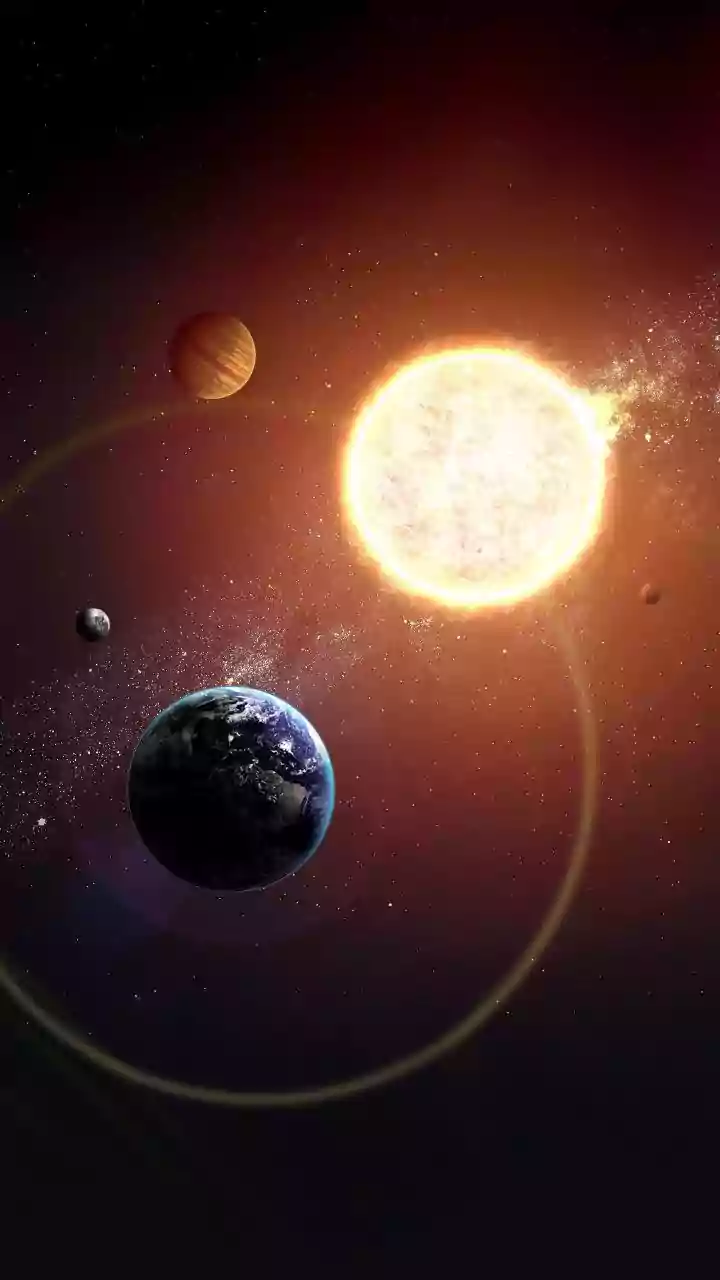
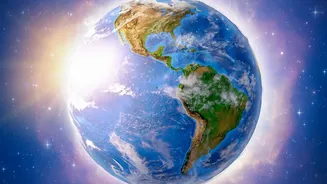
The word equinox comes from the Latin for “equal night,” and that’s the perfect way to think about it. On September 23, 2026, the Earth will reach a point in its orbit where its axis isn't tilted towards or away from the sun. Instead, the sun's rays will shine
directly on the equator. For a brief moment, our planet is perfectly balanced in its exposure to sunlight, giving every place on Earth nearly 12 hours of daytime and 12 hours of nighttime. This celestial event marks the official start of autumn in the Northern Hemisphere and spring in the Southern Hemisphere. From this day forward, until the spring equinox next March, the nights in the north will be longer than the days.
The Real Reason for the Seasons
Many people logically assume that seasons are caused by the Earth's distance from the sun—closer in summer, farther in winter. But that's a common misconception. In fact, the Northern Hemisphere is actually closest to the sun during its winter. The true driver of the seasons is Earth's 23.5-degree axial tilt. Think of it like a spinning top that's slightly leaning to one side. As the Earth travels around the sun, this tilt remains pointed in the same direction. During our summer, the Northern Hemisphere is tilted towards the sun, so we receive more direct, concentrated sunlight for longer periods. During winter, we are tilted away, and the sunlight hits us at a shallower angle, spreading the energy out and cooling things down. The equinoxes are the two halfway points in this journey, when neither hemisphere is tilted toward the sun, giving us a brief period of global equilibrium.
From Monsoon to Milder Days in India
While astronomers see the equinox as a precise moment, people on the ground experience it as a gradual but definite shift. In many parts of India, the September equinox coincides with the retreat of the monsoon and the transition into a more pleasant, drier, and cooler period often called 'post-monsoon' or 'autumn'. The intense heat and humidity of the summer begin to wane, making way for clearer skies and more comfortable temperatures. According to Ayurveda, this time marks a seasonal shift from the fiery energy of pitta (summer) to the airy, mobile energy of vata (autumn). This transition is seen as an important time to adjust our routines and diets to stay in harmony with nature's changing rhythm.
A Global Marker for Harvest and Celebration
For millennia, cultures around the world have recognised the equinox as a significant time for celebration and reflection. It is deeply connected with harvest festivals, a time to give thanks for the year's bounty before the lean months of winter. In India, the period around the autumn equinox is famously marked by Sharad Navaratri, a nine-night festival honouring the goddess Durga and celebrating the victory of good over evil. It’s a vibrant time of fasting, feasting, and dance, particularly the energetic Garba in Gujarat. This mirrors traditions elsewhere, such as Mabon, a pagan harvest festival, and Japan's Shūbun no Hi, a time to honour ancestors. These rituals all share a common thread: acknowledging the balance of light and dark, and giving thanks for the Earth's cycles.