


The Science Behind the Simple Tray
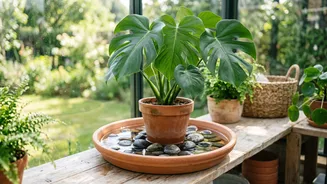
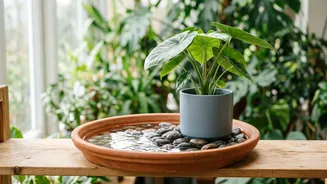
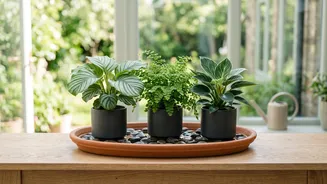
A humidity tray, also known as a pebble tray, is a shallow dish filled with pebbles and water that sits under a plant pot. Its effectiveness comes from basic evaporation. As the water in the tray evaporates, it increases the moisture content in the air
immediately surrounding the plant, creating a small pocket of higher humidity. The pebbles serve a crucial purpose: they elevate the pot so its base and drainage holes are not sitting directly in the water. This prevents the soil from becoming waterlogged, which can lead to root rot, a common and often fatal issue for houseplants. While a single tray won't significantly change the humidity level of an entire room, it provides a consistent, localized boost right where the plant needs it most—around its leaves.
Which Plants Benefit Most?
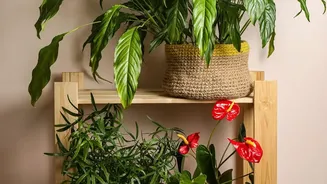
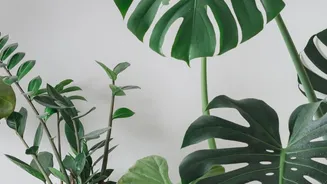
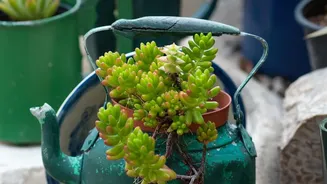
Not all houseplants need extra humidity, but for many tropical and subtropical species, it's a game-changer. Plants that evolved in rainforests or other damp environments are the prime candidates for a humidity tray. You can often tell a plant is suffering from dry air if its leaf tips turn brown and crispy, or if new leaves are small or discolored. Common houseplants that thrive with the added moisture from a pebble tray include ferns (like Boston and Maidenhair ferns), Calatheas (prayer plants), orchids, Alocasias (Elephant Ear), and many types of palms. Other popular choices that appreciate the boost are Monsteras, Philodendrons, Begonias, and nerve plants (Fittonia). Cacti and succulents, which are adapted to arid climates, do not need or want this extra moisture.
How to Set Up Your Humidity Tray
Creating an effective humidity tray is simple and requires only a few items. First, choose a waterproof tray or saucer that is wider than the base of your plant's pot; the larger the surface area, the more effective the evaporation. Next, fill the tray with a layer of pebbles, gravel, decorative stones, or even lightweight expanded clay aggregate (LECA). The layer should be deep enough to hold the pot above the water line. Spread the pebbles evenly to create a stable surface for your plant. Then, add water to the tray until the level is just below the top of the pebbles. Finally, place your potted plant on top of the pebbles, making sure the bottom of the pot is not in direct contact with the water. You will need to top up the water every few days as it evaporates.
Common Mistakes to Avoid
While humidity trays are straightforward, a few common errors can undermine their effectiveness or even harm your plant. The most critical mistake is overfilling the tray with water. If the pot sits in standing water, the roots will become saturated, depriving them of oxygen and causing root rot. Always ensure the water level stays below the pebbles. Another issue is using a tray that is too small. A tray that is only slightly larger than the pot won't have enough surface area for meaningful evaporation. Neglecting to clean the tray is another pitfall. Stagnant water can become a breeding ground for algae, mold, or even pests like fungus gnats. To prevent this, it's wise to empty the tray, rinse the pebbles, and scrub the tray clean every one to two weeks.
Are There Better Alternatives?
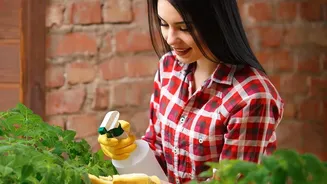
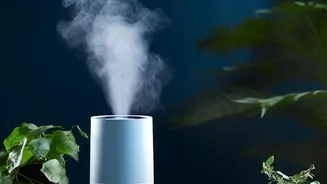
A humidity tray is an excellent low-tech, budget-friendly option, but it's not the only way to increase moisture. For plant owners with large collections or very dry homes, a room humidifier is the most reliable way to raise ambient humidity across a larger space. Misting plants is a popular practice, but its effects are very temporary, as the water evaporates in minutes and can sometimes lead to fungal spots on leaves. Another effective and free method is to group your plants together. Plants naturally release water vapor through a process called transpiration, and clustering them creates a shared microclimate of higher humidity. For many, a combination of these methods—such as grouping plants on a large pebble tray—provides the best results.