




The Digital Engine’s Soaring Thirst
The engine room of our digital world is getting hungrier. According to recent forecasts from the International Energy Agency (IEA), global electricity consumption from data centres is on a trajectory to more than double by 2030, surging from roughly 460
terawatt-hours (TWh) in 2024 to over 1,000 TWh. To put that figure in perspective, 1,000 TWh is more than the current total annual electricity consumption of countries like Japan or Germany. This rapid increase means that data centres' share of global electricity demand is expected to climb from around 1.5% to 3% by 2030. While this may seem like a small portion of the total, the rate of growth is staggering—far outpacing the expansion of overall electricity demand worldwide and presenting a significant new strain on energy grids.
AI and Crypto: The Great Accelerants
Two key forces are behind this explosive growth: artificial intelligence and cryptocurrencies. The IEA identifies the rise of AI as the single largest driver. Training complex AI models, like those behind generative AI services, is an incredibly energy-intensive process. A single query on an AI platform like ChatGPT can consume nearly ten times the energy of a standard Google search. When scaled to billions of daily interactions, the cumulative energy demand becomes immense. It is estimated that electricity use in servers built specifically for AI workloads will grow by 30% annually, accounting for almost half of the total increase in data centre energy use by 2030. This surge in computational demand is a primary reason why past efficiency gains, which once kept data centre energy use relatively flat despite growing internet traffic, are no longer sufficient to offset the rising consumption.
A Global Challenge with Indian Stakes
This global trend has profound implications for India, which is in the midst of its own data centre boom. Driven by data localisation policies and massive investments from global tech giants, India's data centre capacity is projected to triple by 2029, making it one of the fastest-growing markets in Asia. The nation's installed capacity grew from under 500 MW in 2019 to 1.6 GW by mid-2026, with another huge expansion underway. This growth is set to place enormous pressure on the country's electricity grid. Projections suggest that electricity demand from Indian data centres could increase nearly fivefold by 2030, rising from 0.8% of national demand in 2024 to as much as 2.6%. For a nation already working to meet the energy needs of a growing population and industrial base, accommodating this new, concentrated demand—primarily in hubs like Mumbai and Chennai—poses a significant challenge.
The Search for Sustainable Solutions
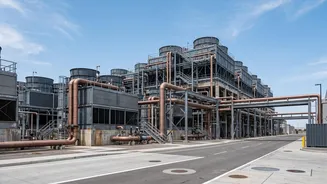
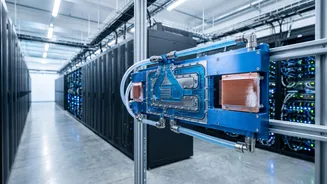
In response to this energy challenge, the tech industry and governments are urgently seeking sustainable solutions. The most critical path forward involves a massive shift toward renewable energy. Tech giants like Microsoft and Amazon have become the largest corporate buyers of clean power through Power Purchase Agreements (PPAs), directly funding the development of new solar and wind farms. However, the intermittent nature of these sources presents a reliability problem for data centres that require 24/7 power. This has led to explorations of other clean, firm power sources, including geothermal energy, and a renewed interest in nuclear power, with some companies signing offtake agreements for future small modular reactors (SMRs). Beyond the power source, innovations in cooling—which can account for up to 40% of a data centre's energy use—are also crucial. Strategies include liquid cooling, which is more efficient than traditional air cooling, and reusing waste heat to warm nearby homes and businesses.