





More Than Just a Downpour
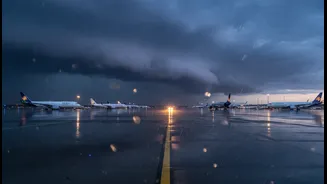
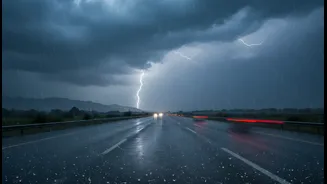
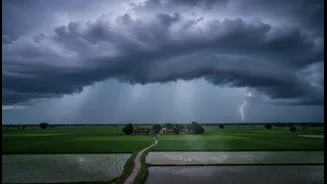
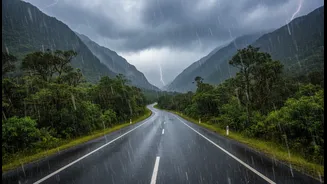
In India, a heavy downpour is rarely just a case of getting wet. During peak monsoon, it can bring a city to its knees. Streets become waterlogged, public transport grinds to a halt, and traffic jams stretch for kilometres. For a student with a 10:30
AM exam and a strict entry deadline, this is a logistical nightmare. Just this week, Mumbai University was forced to postpone all its scheduled exams on July 6th due to torrential rains and a red alert issued by the meteorological department. This wasn't an isolated incident; it’s an annual reality in many parts of the country, where infrastructure struggles to cope with the deluge. The journey to the examination centre transforms into an obstacle course, filled with uncertainty and the very real risk of not making it on time.
The High Stakes of a Late Arrival
Arriving late for a major board or university exam is often not an option. Examination bodies like the CBSE enforce strict reporting times, with gates closing well before the paper begins. Missing an exam can mean losing an entire academic year, jeopardising university admissions or career prospects. Even for those who manage to arrive just in time, the experience is draining. Sprinting through a flooded street, drenched and anxious, is hardly the ideal state of mind for tackling complex questions. The mental toll of such a commute can significantly impact performance. The stress doesn't just begin on exam day; the mere possibility of rain-induced delays can cause sleepless nights and divert focus from last-minute revision to travel logistics.
Your Forecast is Your First Step
This is where a simple weather forecast becomes one of the most important tools in a student’s arsenal. It allows for a crucial shift from reactive panic to proactive planning. Modern weather prediction, provided by agencies like the India Meteorological Department (IMD), has become increasingly accurate, offering short-range forecasts that can warn of heavy rainfall, storms, or cyclones days or hours in advance. Instead of waking up to an unexpected crisis, checking the forecast the night before allows students and parents to anticipate challenges. Knowing that heavy rain is predicted can trigger a series of strategic decisions that make the difference between a calm arrival and a missed opportunity. It’s about leveraging information to regain control over a situation that feels entirely out of one's hands.
Building Your Monsoon Exam Strategy
Treating the weather forecast as actionable intelligence is key. If heavy rain is predicted, activate a contingency plan. This starts with leaving home much earlier than usual—perhaps 60-90 minutes ahead of your normal departure time. Map out at least one backup route in case your primary route is flooded or blocked. Coordinate with friends to share a cab, which might be more reliable than waiting for public transport. Prepare a monsoon-proof exam kit: use plastic or waterproof folders to protect your admit card, identity proofs, and stationery. Carry a lightweight raincoat or a sturdy umbrella. Having a spare pair of dry socks can also make a world of difference to your comfort and focus in the exam hall. These small preparations can drastically reduce the physical and mental stress of the journey.
A Call for Institutional Support
While students can do their part, educational institutions also have a role to play. The decision by Mumbai University to postpone exams based on an IMD alert demonstrates a commitment to student safety. Other examination boards, like the West Bengal Council of Higher Secondary Education, have issued specific guidelines for protecting exam materials like OMR sheets from water damage during monsoon exams. Clear communication is vital. When institutions issue timely advisories about delays or postponements, it alleviates widespread panic and allows everyone to plan accordingly. In areas prone to severe weather, having official contingency plans that are clearly communicated to students ahead of exam season can turn a potential crisis into a manageable inconvenience.