


A Sip Through History
Lassi is not a modern invention; its history is as rich and blended as the drink itself. Believed to have originated in the Punjab region around 1000 BC, lassi was a practical and ingenious creation. [3, 6] In an era before refrigeration, fermenting milk
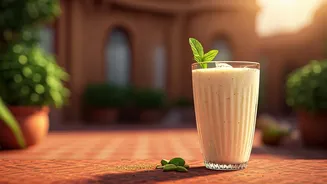
into yogurt (dahi) was a way to preserve it, and blending that yogurt with water created a nourishing drink that could combat the intense heat. [3] Ancient Ayurvedic texts, such as the Charaka Samhita, mention a similar yogurt-based drink called 'takra', praised for its digestive properties and ability to balance the body's doshas. [6, 7] Traditionally churned with a wooden tool called a 'mathani' and served in earthy clay cups known as 'kulhars', lassi was—and still is—a testament to making the most of available resources. [3, 23] It was a drink of the farmers and villagers, a source of hydration and energy for those toiling under the sun. [5]
The Great Divide: Sweet or Salty?
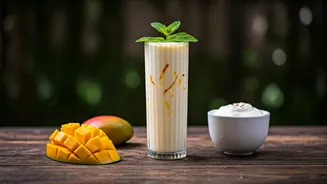
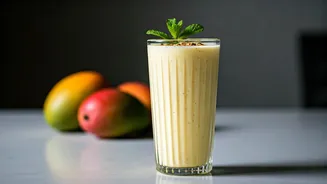
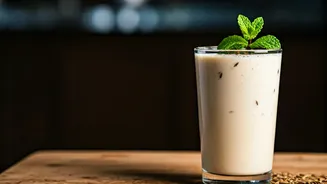
The fundamental question for any lassi drinker is, “meethi or namkeen?” The traditional lassi was a savoury drink, often flavoured with just a pinch of salt and roasted cumin. [10, 13] This version, sometimes called Chaas in other parts of India, is thinner and praised for its digestive benefits, often consumed after a meal. [10] It is said to aid digestion and cool the body from within. [8, 9] The sweet lassi, a more recent but wildly popular invention, blends yogurt with sugar, water, and sometimes rosewater or fruit. [10, 14] The famous Punjabi lassi often goes a step further, served thick and creamy, sometimes with a dollop of fresh cream (malai) on top, making it almost a meal in itself. [10, 11] While mango lassi has become its most famous global ambassador, it is just one of many fruity and sweet variations that have emerged over time. [3, 5]
A Drink for Every Region
While Punjab may be its birthplace, lassi has been adapted and embraced across the subcontinent, with each region adding its own unique spin. In Rajasthan, you might find a rich Makkhaniya lassi with lumps of white butter. [10] The 'Benares-ki-lassi' of Varanasi is famous for its thick, creamy texture, served in kulhars. [13] In South India, a similar yogurt-based drink called 'Neer Mor' is tempered with mustard seeds, curry leaves, and chillies, tailored to the humid climate. [12] From the celebratory 'Bhang Lassi' consumed during festivals like Holi to the sharp, spicy 'Masala Lassi' designed to cut through rich food, the variations are nearly endless. [9, 14, 15] This adaptability is key to its enduring popularity; it’s a drink that reflects the local palate, climate, and culture wherever it is found. [11, 12]
The Modern Lassi
Today, lassi holds its own in a world of global beverage trends. Urban cafes across India have reinvented it, creating versions with everything from avocado to chocolate. [15] It's celebrated as a health drink, packed with probiotics that aid gut health and boost immunity. [16, 21] The rise of mango lassi in Indian restaurants worldwide has made it an international symbol of Indian cuisine, a sweet, refreshing counterpoint to spicy dishes. [5, 22] Yet, despite these modern interpretations, the core of what makes lassi special remains unchanged. It is still the go-to drink for cooling down, a staple offering at religious ceremonies, and a symbol of hospitality. [7, 9] Whether it's a simple, homemade salted lassi or a decadent, fruit-filled creation from a trendy café, the fundamental comfort it provides is undeniable.