







The Old-School Method: What is Cold-Pressed Oil?
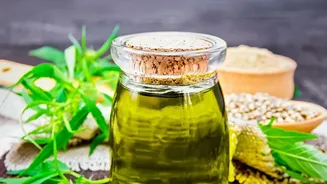
Think of cold-pressed oil as the most natural version you can get. It's made using a simple, mechanical method that has been around for centuries, often called 'kachi ghani' in India. Seeds or nuts like mustard, coconut, or groundnut are crushed under
great pressure to squeeze out the oil. The key here is the absence of high heat; temperatures are kept below 49°C. This gentle process ensures the oil retains its original flavour, aroma, and, most importantly, its nutrients, such as antioxidants and vitamins, which would otherwise be destroyed by heat. The result is a pure, unrefined oil that tastes and smells like the seed it came from.
The Industrial Process: What is Refined Oil?
Refined oil is all about creating a consistent, stable, and affordable product for the mass market. The process is far more complex than cold-pressing. It often starts with extracting oil using high heat and sometimes chemical solvents like hexane to get the maximum possible yield from the seeds. After extraction, the crude oil goes through several more stages. It is neutralized to remove free fatty acids, bleached with clays to remove colour, and deodorized with steam to remove its natural smell. This intense processing results in a neutral-tasting oil with a long shelf life and a clear, uniform appearance.
Health and Nutrition: A Clear Divide
When it comes to nutritional value, cold-pressed oils have a clear advantage. Because they are minimally processed, they keep their natural goodness, including healthy fats, Vitamin E, and other antioxidants that help fight inflammation. In contrast, the high heat and chemical treatments used to make refined oils strip them of these beneficial compounds. Some studies show that the refining process can destroy a significant portion of the oil's natural vitamins and may even introduce undesirable trans fats, though this is often minimal in modern processing.
The Smoke Point Test: Which to Use When?
The most critical difference for any home cook is the 'smoke point'—the temperature at which an oil starts to smoke and break down. When an oil smokes, it not only tastes bad but also releases harmful compounds. Refined oils, having had their impurities removed, have a much higher smoke point (often above 230°C). This makes them stable and suitable for high-heat cooking like deep-frying pakoras or puris. Cold-pressed oils have lower smoke points (generally around 160°C to 190°C), making them unsuitable for deep-frying. They are best used for low-to-medium heat cooking, such as light sautéing, or for raw applications like salad dressings and drizzling over finished dishes to preserve their nutrients and flavour.
Flavour, Aroma, and Cost: The Final Verdict
Cold-pressed oils are full of character. Cold-pressed mustard oil has its signature pungent kick, while cold-pressed groundnut oil offers a nutty aroma. This is great when you want the oil's flavour to complement the dish. Refined oils are intentionally neutral, ensuring they don't interfere with the taste of your food. This difference in process also affects price. Cold-pressing yields less oil from the same amount of seeds, making it a more expensive method. Refined oils are produced more efficiently, which is why they are typically more budget-friendly.