







A New Era for Human Spaceflight
For decades, the image of an aerospace professional was an astronaut or a flight-suited pilot. But as space exploration pivots from short orbital sprints to long-duration missions, this picture is rapidly changing. The early days of space medicine simply
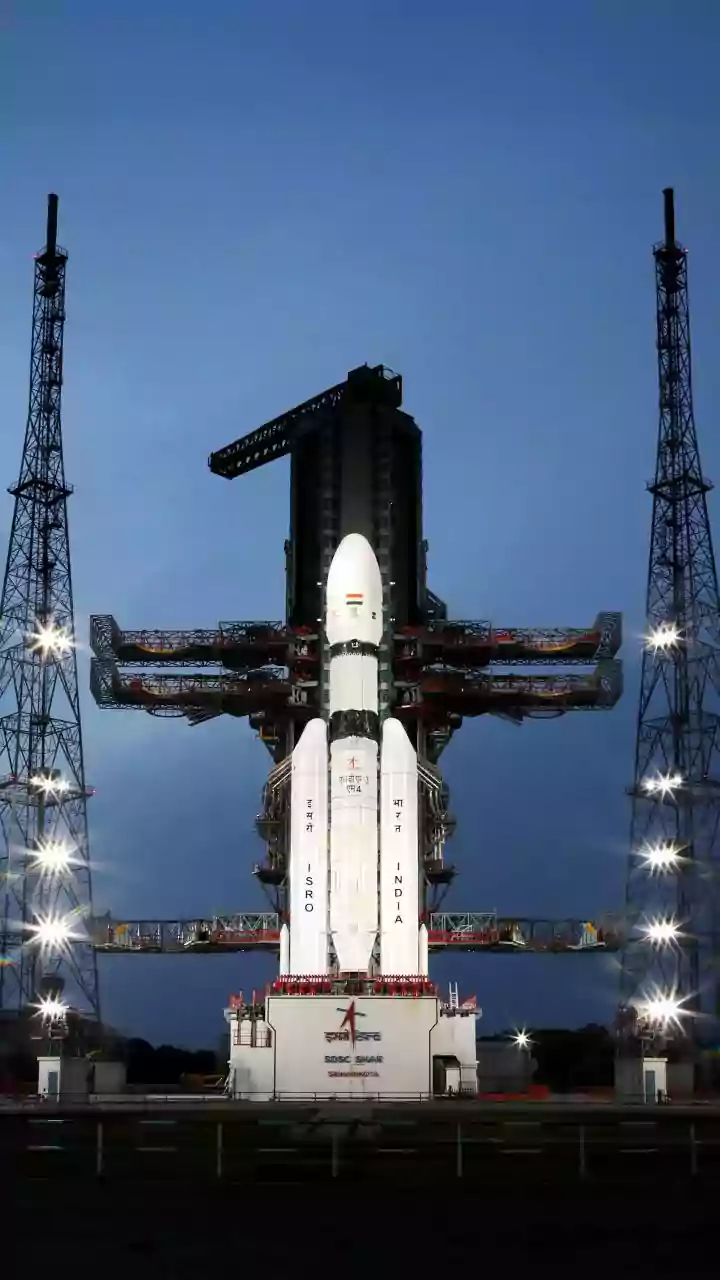
focused on ensuring astronauts were in peak physical condition before launch. Today, with government agencies and commercial players like SpaceX planning for extended stays on the Moon and missions to Mars, the focus has shifted dramatically. The new question is not just 'how healthy do you have to be to go to space?' but 'how do we keep you healthy once you're there for months or years?' This evolution is driving demand for a new corps of specialists dedicated to solving the unique medical challenges of living far from Earth.
The Body Under Siege
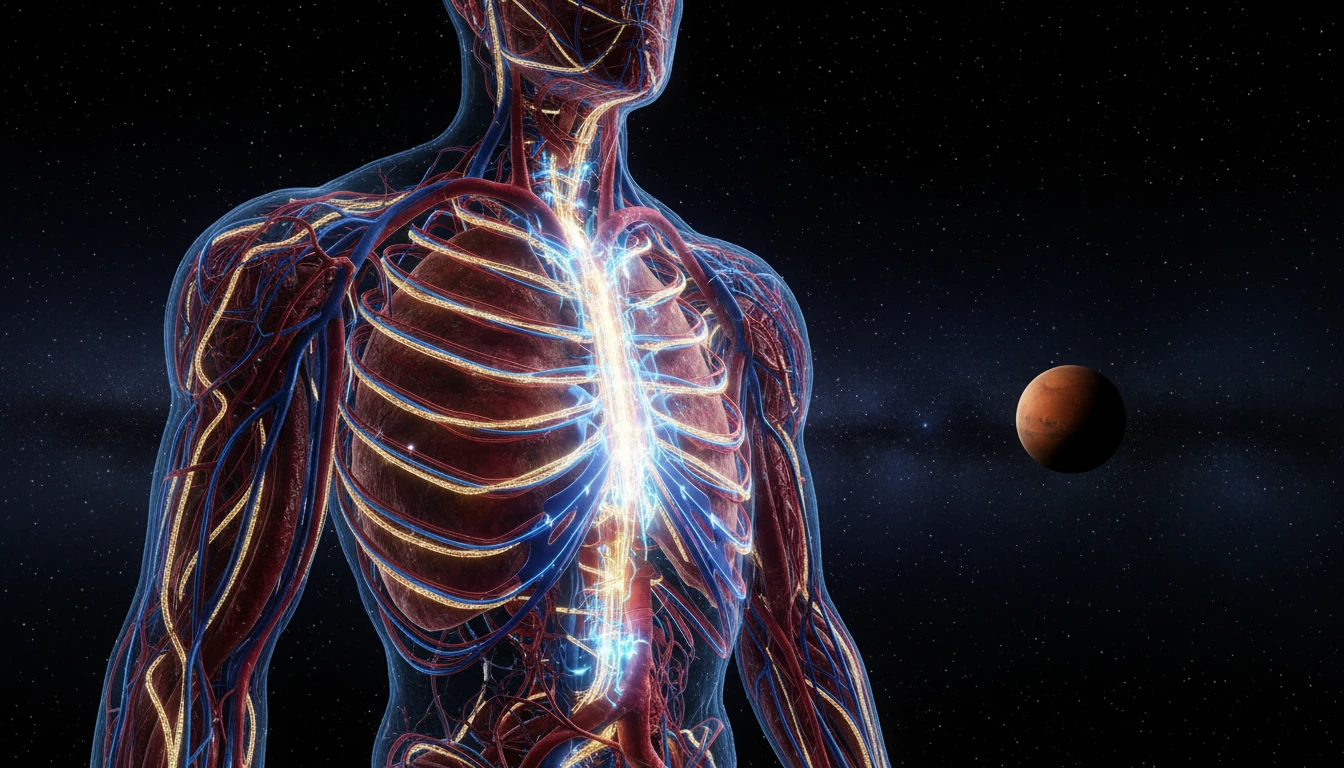
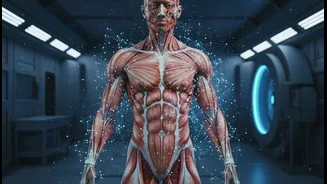
Long-term exposure to space is incredibly hostile to the human body. Without Earth's gravity, astronauts face significant muscle atrophy and bone density loss. Furthermore, their cardiovascular systems can decondition, and many experience a condition known as Spaceflight Associated Neuro-ocular Syndrome (SANS), which can affect vision. Beyond microgravity, space radiation poses a constant threat, increasing the risk of cancer and central nervous system damage. Even the immune system can become dysregulated, and astronauts often deal with issues like space adaptation syndrome, which causes nausea and fatigue, particularly on initial exposure. Addressing these complex, interconnected health risks requires more than a general physician; it demands a team of dedicated experts.
The Psychology of Isolation
The physical toll of space travel is only half the battle. The psychological strain of being confined in a small habitat, isolated from Earth with a handful of crewmates, is immense. NASA and other space agencies now recognise behavioural health as a critical risk factor for mission success. This has led to the rise of space psychology, a field dedicated to selecting, training, and supporting astronauts through the intense mental demands of long missions. Operational psychologists develop strategies to manage stress, mitigate team conflict, and maintain cognitive performance. They provide remote psychological support during missions and help astronauts and their families cope with the pressures of training, deployment, and post-flight reintegration, making them an indispensable part of the modern aerospace team.
The New Non-Combat Professionals
The complexity of space health has created a wide array of non-combat roles. Aerospace medicine physicians are in high demand to manage astronaut health before, during, and after flights. But the ecosystem extends much further. Scientists and researchers are needed to study the effects of microgravity and radiation, developing countermeasures to protect future explorers. This includes everyone from geneticists investigating DNA damage to nutritionists designing diets to prevent bone loss. Engineers and technicians are also crucial, tasked with developing the next generation of in-flight medical technology, from advanced monitoring systems to potential AI-driven diagnostics and robotic surgery tools. As commercial spaceflight expands to include private citizens, who may have pre-existing medical conditions, the need for this diverse medical and technical expertise will only grow.