








The Nutritional Snapshot
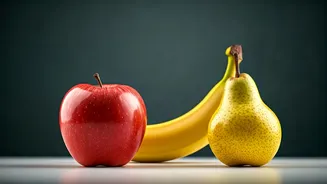
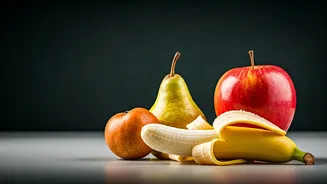
When it comes to sheer calorie count, apples and pears are the lighter options. A 100-gram serving of pear contains about 57 calories, with an apple close behind at around 58-59 calories. A banana of the same size is more energy-dense, packing 89 calories. This
makes bananas a great source of quick fuel. Bananas are famous for their potassium content, which is essential for heart health and muscle function, and they contain significantly more of it than apples or pears. On the other hand, apples and pears often contain more Vitamin K and have comparable levels of Vitamin C, a crucial antioxidant for immune support.
The All-Important Fibre Factor
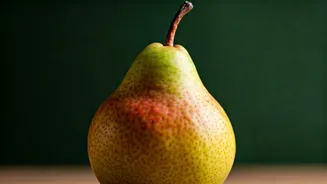
Fibre is a hero for digestive health, helping you feel full and supporting a healthy gut. In this category, the pear is the surprising champion. A medium-sized pear with its skin on can offer up to 5.5 grams of fibre. An apple with its skin is also a strong contender, providing about 4.5 grams. Bananas, while still a good source, contain around 3 grams of fibre per medium fruit. Both apples and pears are rich in a specific type of soluble fibre called pectin, which can help lower cholesterol and regulate digestion. It's important to eat the skin of apples and pears, as that's where much of the insoluble fibre and beneficial compounds are found.
A Look at Sugar and Energy Release
If you're mindful of blood sugar, the glycemic index (GI) is a useful measure. It ranks foods on how quickly they raise blood sugar levels. Apples and pears have a low GI, typically around 38-39. This means they release sugar into the bloodstream more slowly, providing sustained energy. Bananas have a slightly higher GI, around 51-55, making them great for a quick energy boost, especially before or after a workout. However, the ripeness of a banana matters; a greener banana has more resistant starch and a lower GI, while a very ripe, spotty banana will have a higher GI as more starch has converted to sugar. In terms of total sugar, bananas are the highest, followed by apples and then pears.
Unique Health Perks
Beyond the basic numbers, each fruit brings its own unique set of benefits. Apples are packed with powerful antioxidants like quercetin, which has anti-inflammatory properties and supports gut health by feeding beneficial bacteria. Studies have linked regular apple consumption to a lower risk of heart disease and improved lung function. Pears also contain flavonoids that can help fight inflammation and may improve heart health. Bananas, especially when underripe, are a source of resistant starch, which acts as a prebiotic, feeding the good bacteria in your gut and promoting a feeling of fullness.
Best in the Kitchen
In terms of culinary versatility, all three are powerhouses. Apples are famously sturdy, holding their shape well when baked in pies, crumbles, and cakes. Their crisp texture makes them a perfect addition to salads for a refreshing crunch. Pears have a softer, often grainier texture and a delicate sweetness that shines in both desserts and savoury dishes, pairing beautifully with cheese. Bananas are the go-to for smoothies, providing a creamy base and natural sweetness. Overripe bananas are a baker's secret weapon, ideal for making moist banana bread, pancakes, and muffins.